Laundry & Clothing Care OEM & ODM
73 models across 7 garment and fabric care types — handheld garment steamers, fabric lint removers and shavers, electric and steam irons, hat and helmet care machines and portable clothes dryers. This is a category of small formats and travel products, where dual voltage, foldability and the risk of damaging the garment decide whether a model earns good reviews.
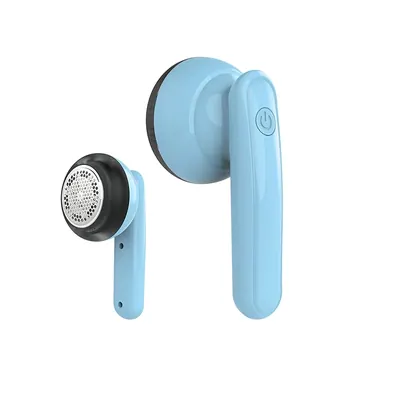
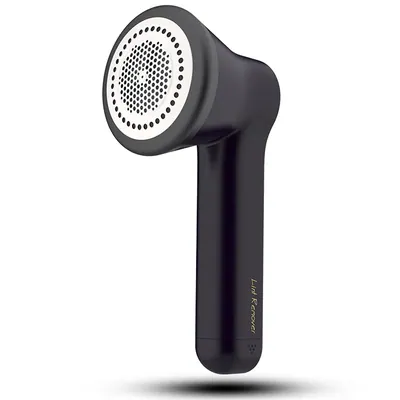
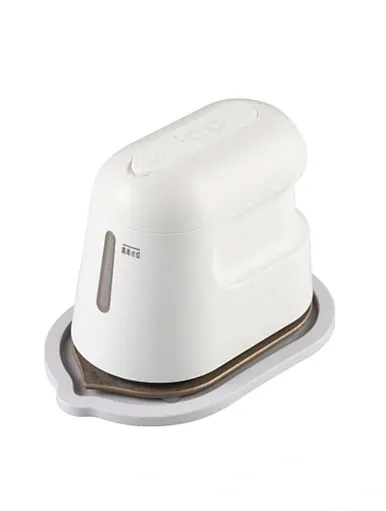
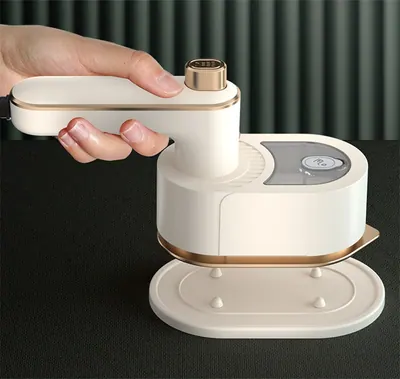
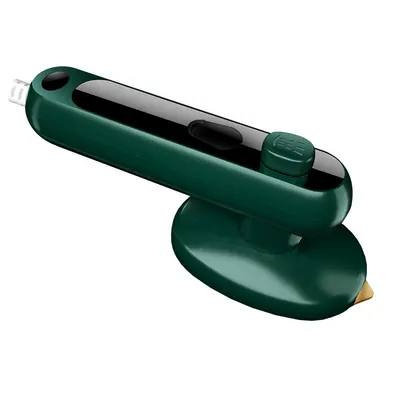
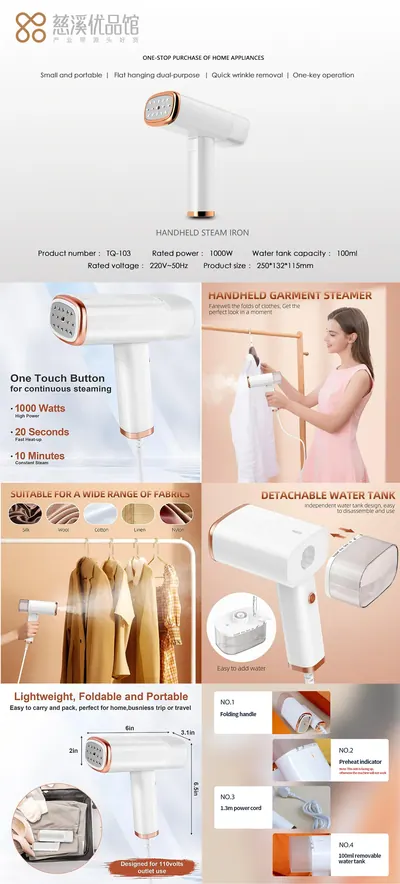
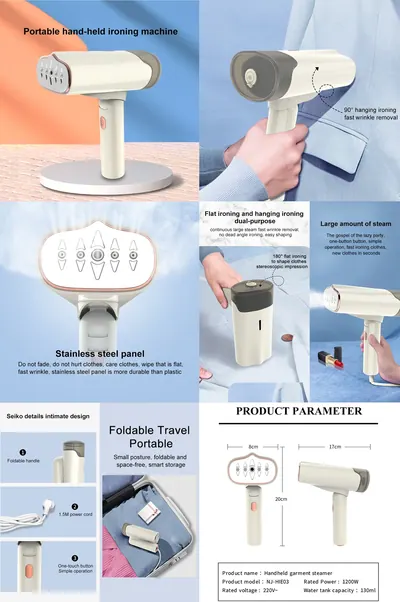
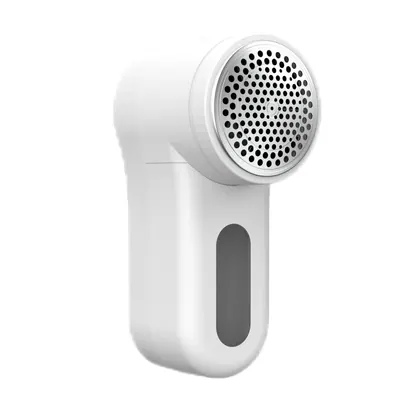
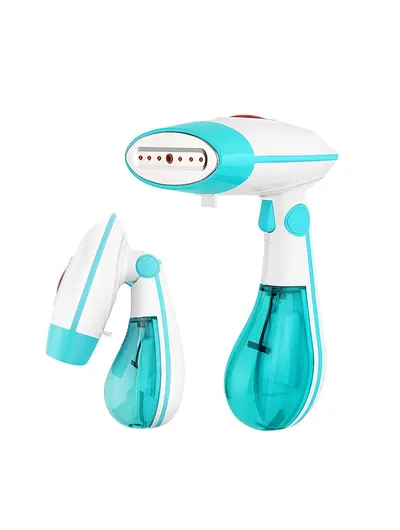
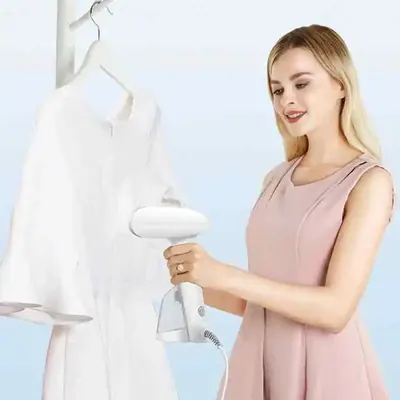
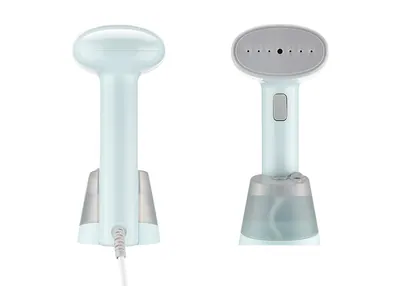
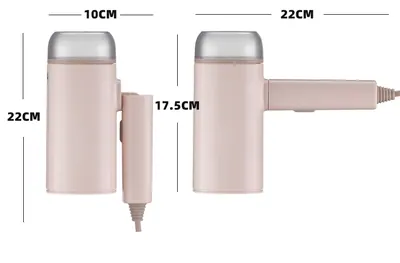
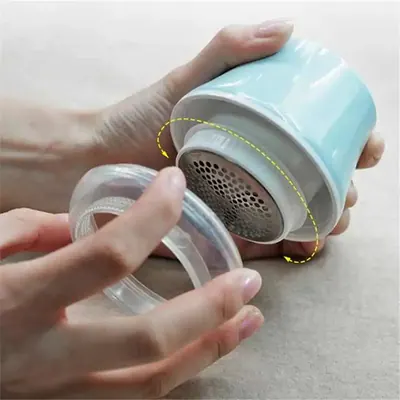
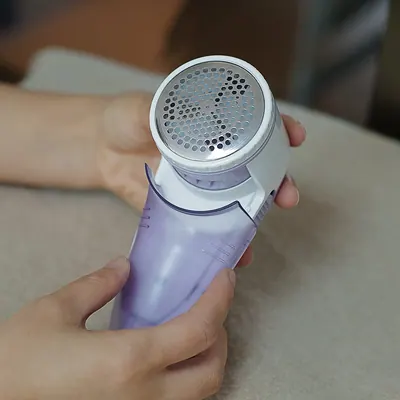
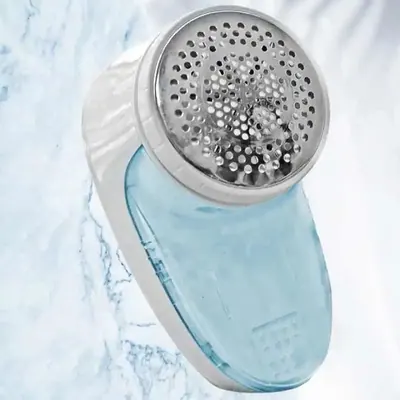
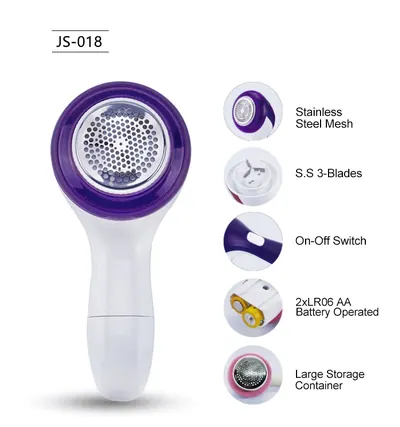
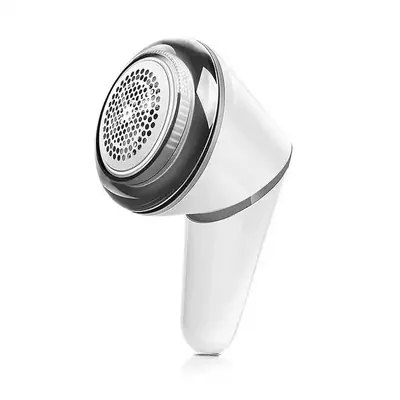
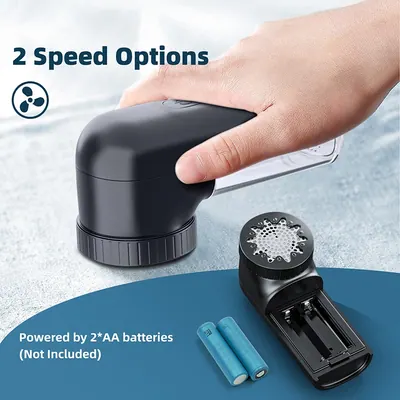

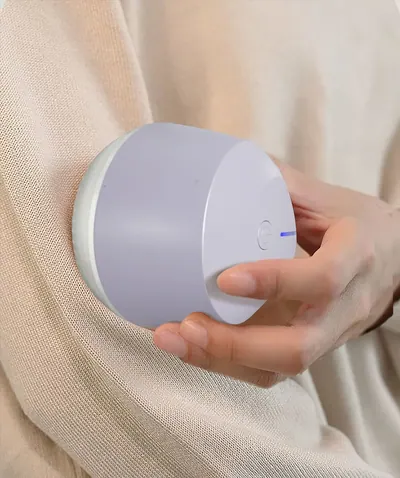
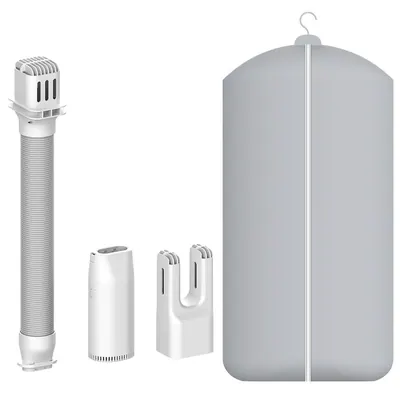
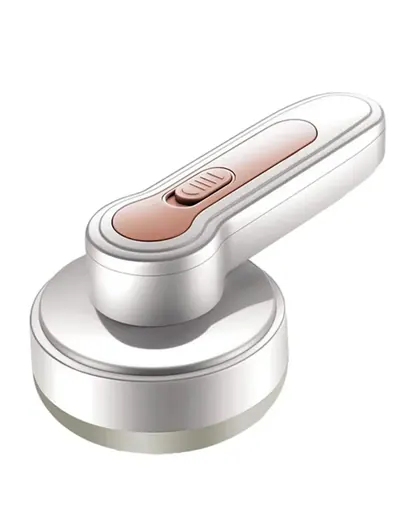
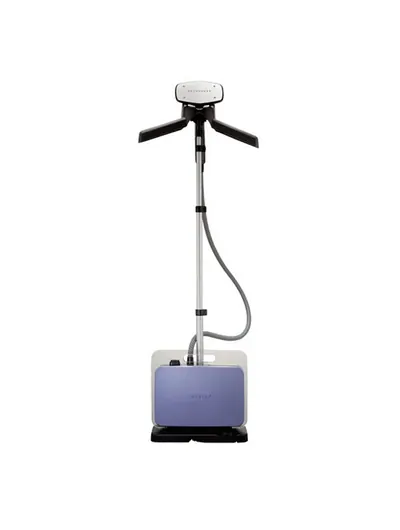
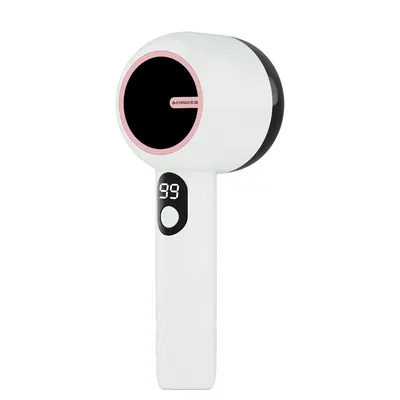
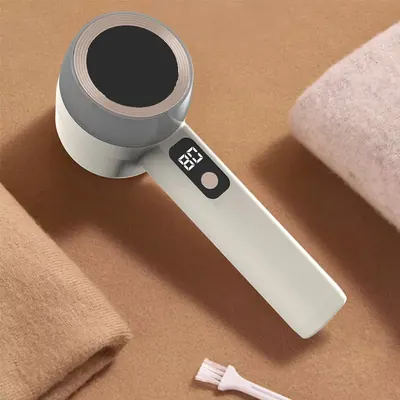
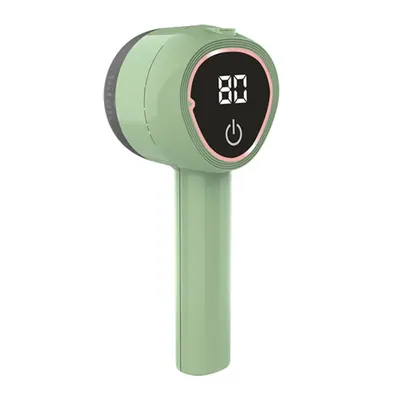
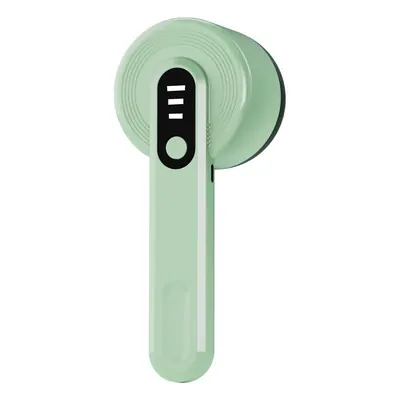
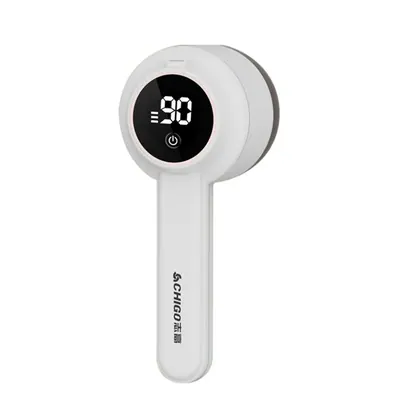
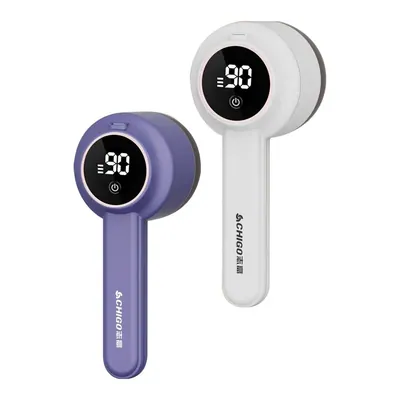
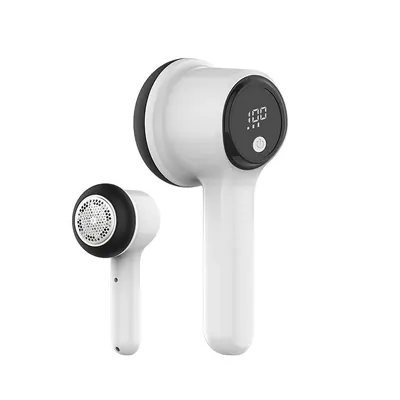
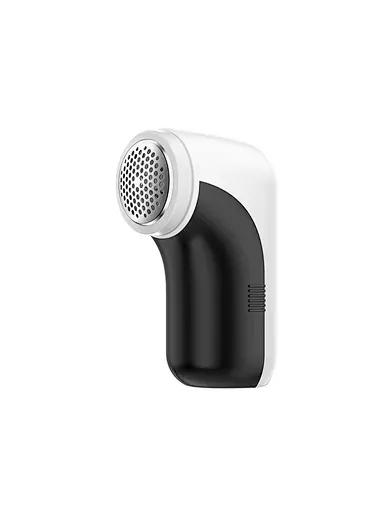
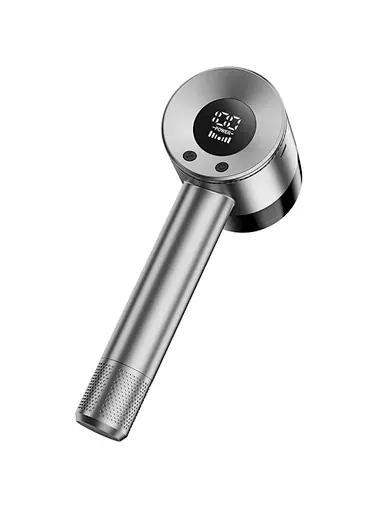
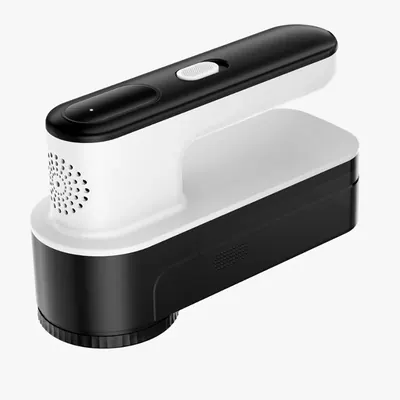
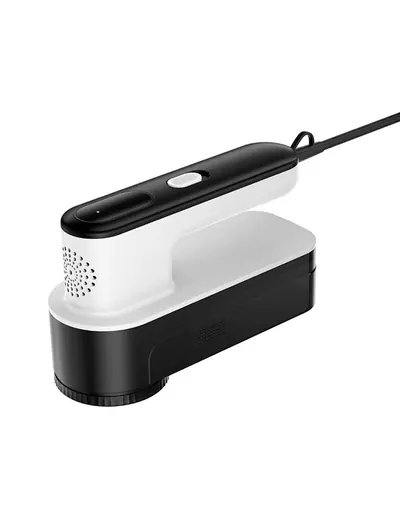
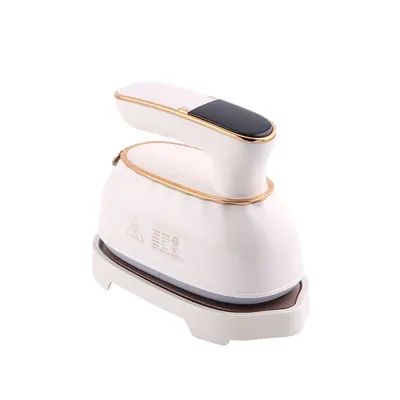
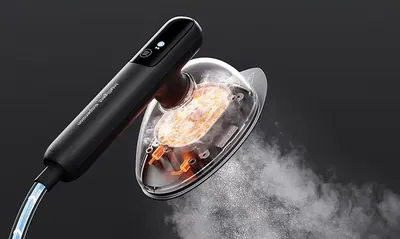
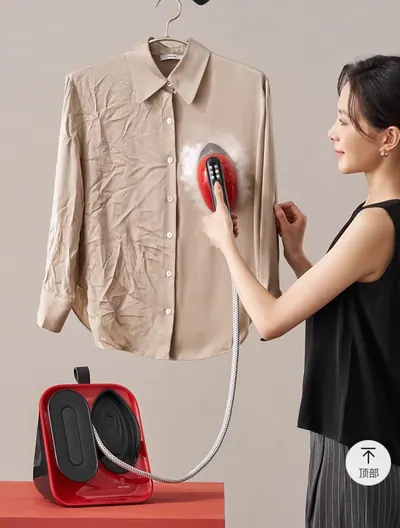
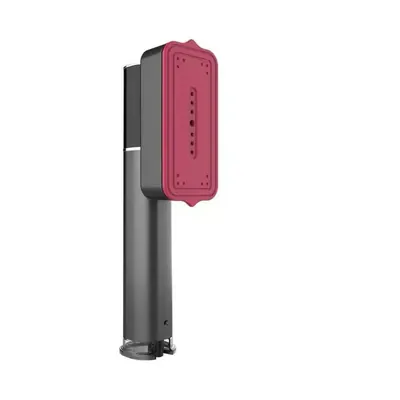
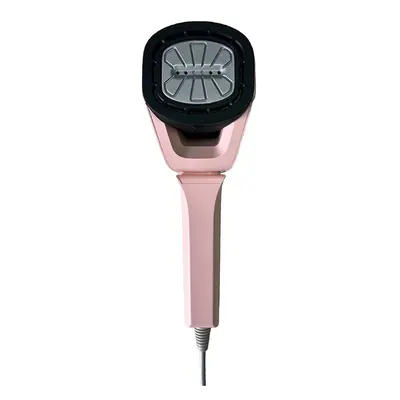

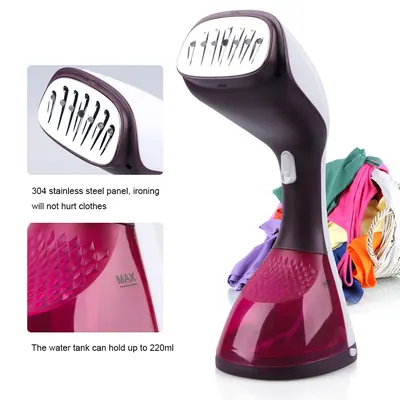
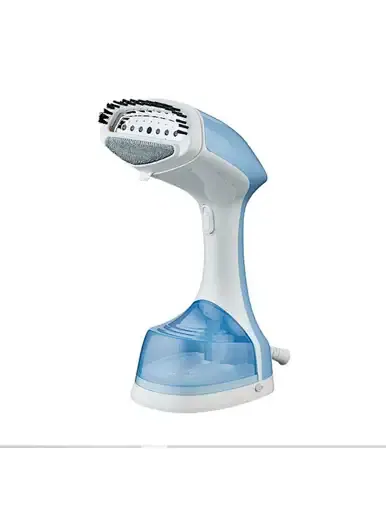
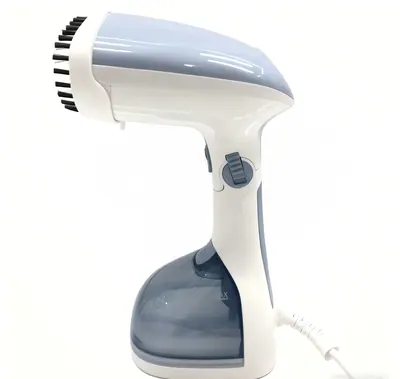
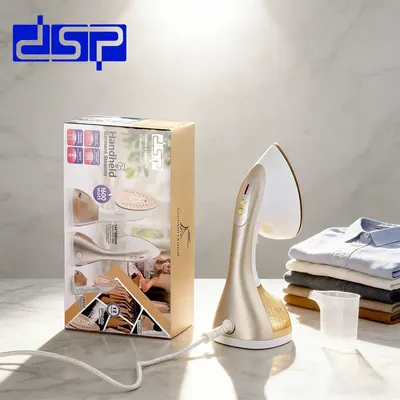
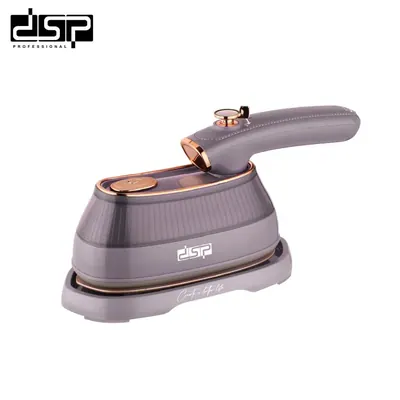
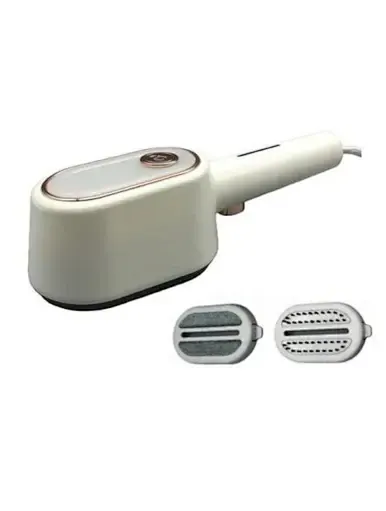
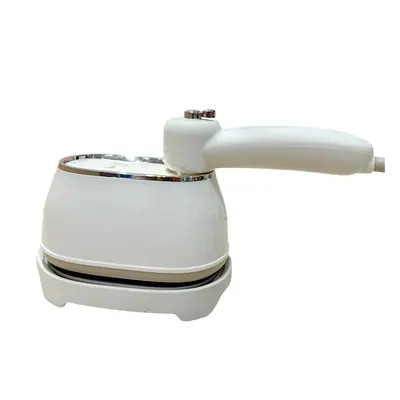
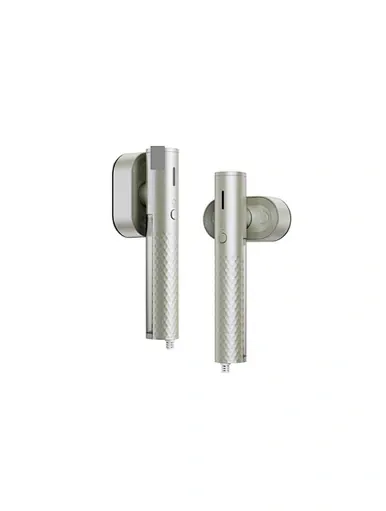
More Laundry & Clothing Care models with full specifications
These 1 lines have complete specifications on file — size, weight, carton quantity, MOQ and lead time are published on the model page, so you can quote them without going back and forth.
What the range covers
Steaming covers handheld garment steamers and upright formats. Pressing covers handheld electric irons and steam irons. Fabric care covers lint removers, fabric shavers and the brush attachments that go with them. Two niches sit alongside them: hat and helmet care machines, and portable clothes dryers for flats, hotel rooms and travel.
Almost everything here is a travel or small-space product. That is not incidental — it is why the category exists as a separate purchase from a laundry appliance, and it sets the constraints. A garment steamer bought for a suitcase has to be light, foldable and work on whatever voltage it finds.
The second common thread is that these products are used directly on something the owner cares about. A steamer that spits water, an iron that scorches and a lint remover that cuts a hole are all product failures that damage the customer's property, not just the product.
Specification decisions that move the unit cost
| Decision | What it changes | Why it moves the price |
|---|---|---|
| Steam output and heat-up | Grams per minute, and how long the unit takes to be ready | A higher-output boiler costs more and needs a sealed vessel; faster heat-up needs a stronger element and tighter thermal control |
| Soleplate or head material | Ceramic, non-stick coated, stainless or ceramic-coated | Coating cost and glide, and it decides how the surface behaves if the user leaves it resting on the fabric |
| Voltage | Single voltage, or dual voltage for travel | Dual voltage adds switching hardware and a second approval; it is frequently the difference between a travel product and a domestic one |
| Water tank | Volume, fill method, and whether it is removable | A removable tank adds a seal and a release mechanism but makes the product far easier to empty and dry |
| Foldability | Fixed handle, folding handle, or a detachable head | Hinges and detents add tooling and are a common warranty point if the mechanism is under-specified |
| Blade or screen depth on lint removers | How far the cutting head sits above the guard | This is the single setting that decides whether a lint remover cleans the fabric or damages it |
| Cord or battery | Corded, rechargeable, or both | Battery adds cells, a charging circuit and shipping documentation; corded removes all three but limits where it can be used |
The failure that matters: damaging the garment
In most appliance categories a product that underperforms is disappointing. In this one it is expensive, because the customer's shirt or coat is what gets ruined.
Lint removers and fabric shavers are the clearest case. The cutting head sits behind a guard, and the height of that guard relative to the blades decides how much fabric is drawn in. Set too shallow the product does nothing and gets returned as ineffective; set too deep it cuts through knitwear. The correct setting depends on the fabric weight the product is aimed at, which means it is a decision the buyer should make rather than a factory default.
Steamers have an equivalent issue. A steamer that spits water leaves marks on the garment, which happens when the boiler is heated too quickly or the nozzle is not far enough from the tank outlet. Both are design decisions settled at tooling, and both are visible in the first two minutes of using a sample on a real garment.
The practical consequence is that a sample in this category should be tested on clothing, at the fabric weight the product is intended for, before the order is placed.
Voltage, plug type and compliance by market
We do not pre-certify every SKU. Testing and certification are arranged for the specific model and the specific market you are ordering for, and quoted as their own line so you can see what they cost.
| Market | Voltage and plug | What is usually required |
|---|---|---|
| European Union | 220–240V, CEE 7/7 (Schuko) | CE marking with test reports behind it. Travel products with a plug adapter are assessed as supplied |
| United Kingdom | 230V, BS 1363 (Type G) | UKCA marking with the test reports. A travel steamer sold with a UK plug is approved as a UK product |
| North America | 110–120V, NEMA 1-15 or 5-15 | Listings that retailers and marketplaces accept before the product can be sold |
| Australia and New Zealand | 230–240V, AS/NZS 3112 (Type I) | Electrical safety approval, and the dual-voltage travel variants are treated as separate configurations |
| Middle East and Southeast Asia | 220–240V, plug type varies by country | Depends on the destination; conformity documents are frequently required at customs |
Private label branding on garment care
Logo placement here follows the way the product is held. On a handheld steamer or iron the handle is the surface the user looks at most, and a logo on the body is often hidden by the hand. Heat transfer and laser engraving suit metal and coated surfaces; silk screen and pad printing suit plastic housings.
Fabric care tools are frequently sold as an accessory line by clothing and footwear brands, and in that case the packaging matters more than the appliance. A color box or sleeve that carries the brand, a fabric pouch, and a branded lint roller supplied alongside the shaver are all part of the same purchase decision.
Both logo and packaging are proofed before production, and the artwork proof is free.
How a garment care order runs
The same sequence runs on every order, whether it is one model or a travel range.
- Brief — you send the product type, the fabrics it will be used on, the target market and your estimated volume.
- Shortlist and quotation — we come back with models, pricing, minimum order quantity, lead time and carton data, including the voltage configuration.
- Artwork proof — logo and packaging are proofed for your approval.
- Sample — a production sample is made and shipped so it can be used on real garments at the fabric weight you are targeting.
- Bulk production — production runs to the approved sample.
- Pre-shipment — finished goods are photographed and inspected before dispatch.
- Shipping — sea or air, FOB or CIF as agreed.
Garment care questions buyers ask
Can you supply a steamer that works in both 110V and 220–240V markets?
Yes, either as two production configurations with the matching plug types, or as a dual-voltage travel model where the switching is built into the product. Dual voltage is a different approval from a single-voltage unit and is quoted as its own line.
How do we stop a lint remover from damaging knitwear?
By setting the guard height against the fabric the product is aimed at, before tooling. Tell us whether it is for fine knitwear, heavy wool or upholstery, and we will set the head for that. It is not a setting that can be corrected after the mould is cut.
What is the minimum order for a garment care appliance?
It is quoted per model, because it depends on the model and on how much of it is already tooled. Both the minimum order quantity and the lead time are stated on the quotation for the specific model you pick.
Do your garment care appliances come with certification?
We do not claim blanket certification across the catalog. Certification is arranged for the specific model and the specific market you are ordering for, and quoted as its own line. Ask us about the model you are considering and we will tell you what exists for it today.
Can the steamer be supplied with a travel pouch or case?
Yes. A fabric pouch, a hard case and a fitted box are all available, and for travel products the case is often what the buyer approves first. Tell us at brief stage whether the case is part of the retail pack or a separate item.
Can we see a sample before ordering in bulk?
Yes. A sample is produced and shipped before bulk production, and in this category we recommend testing it on real garments at the intended fabric weight rather than only inspecting it.
If the appliance you need is not listed in this category, send the specification. The range here is drawn from the Cixi supply chain and it is not exhaustive.
Need help choosing?
Send us the product type, target market and estimated volume — we will shortlist models and quote.