Cleaning Appliances OEM & ODM
134 models across 20 floor, fabric and surface care types — handheld and drum vacuums, steam cleaners and steam mops, dust mite removers, electric mops, wet-dry floor cleaners, window cleaning robots and shoe dryers. Floor care is the category where the battery platform, the filtration system and the accessory kit decide more of the retail outcome than the motor does.
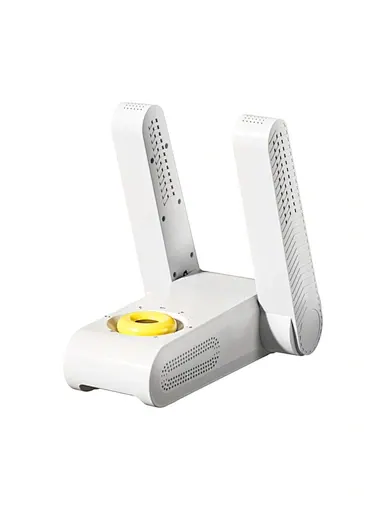
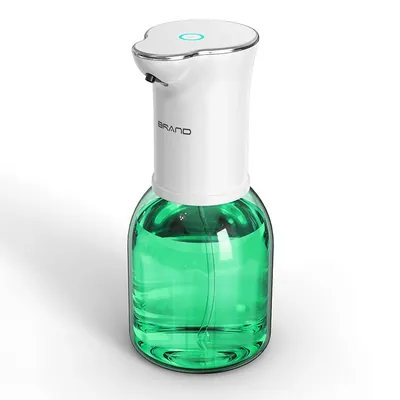
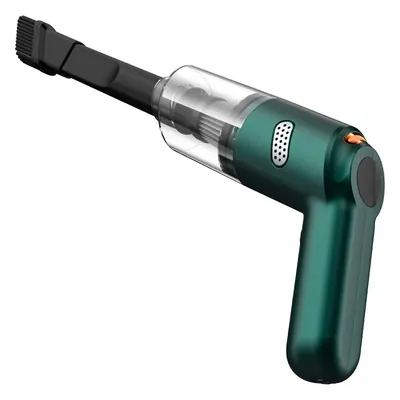
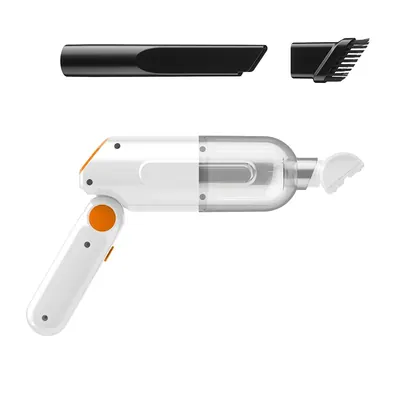
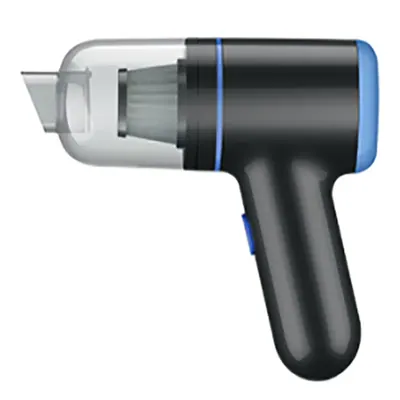
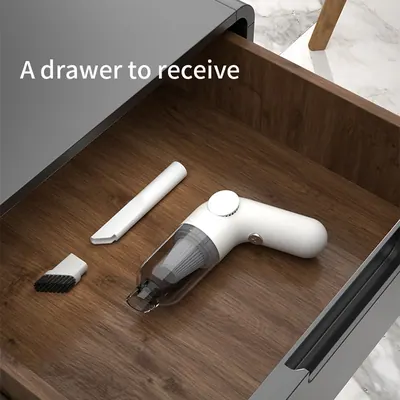
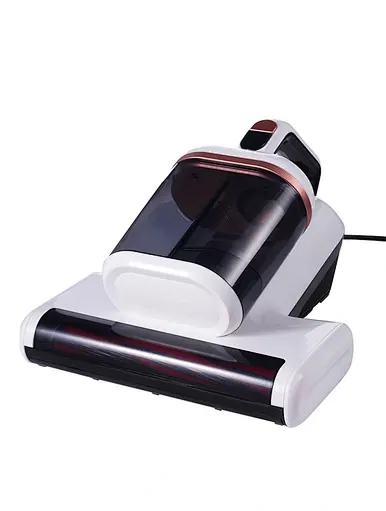
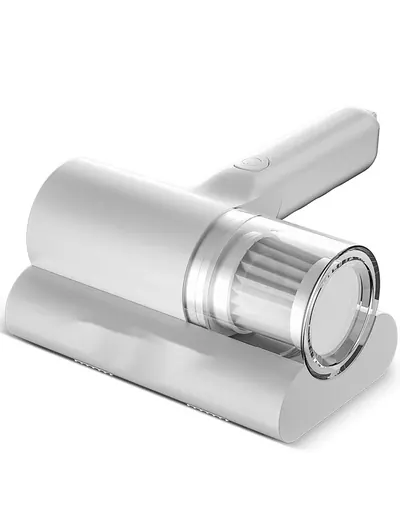
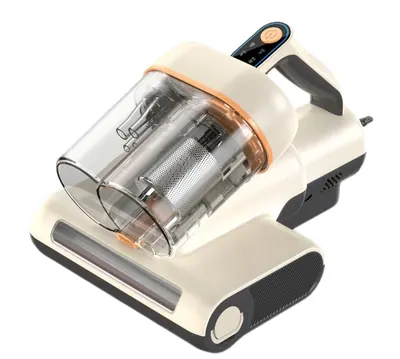
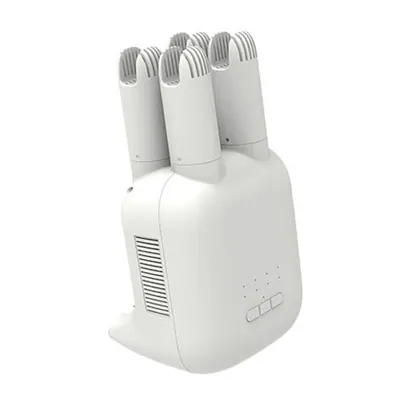
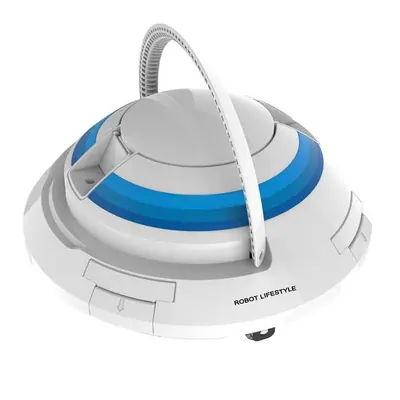
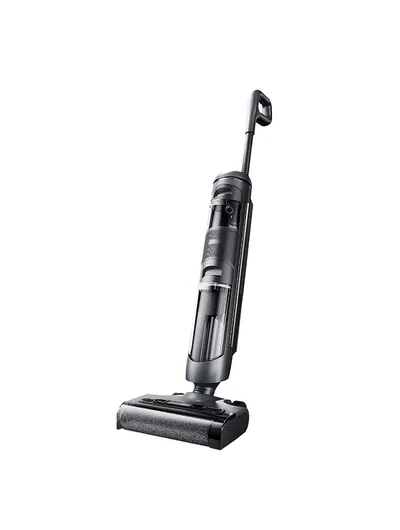
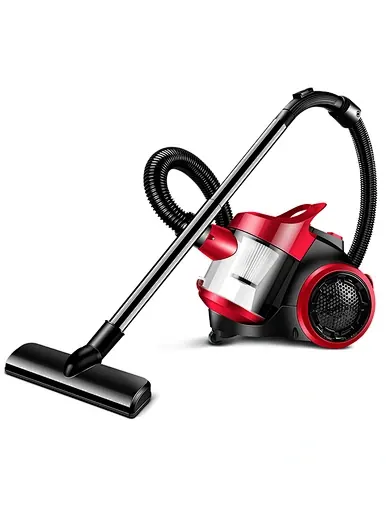
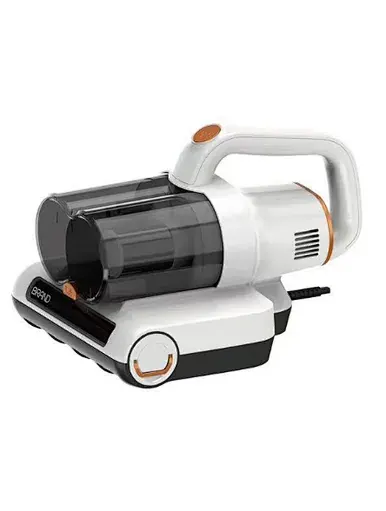
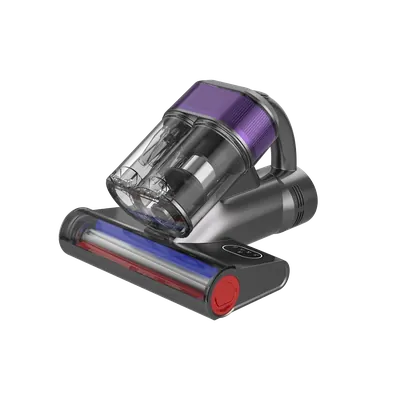
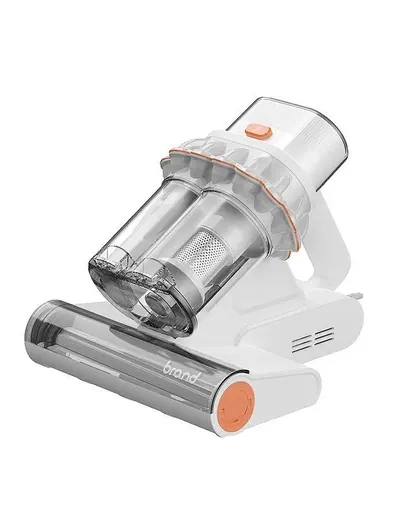
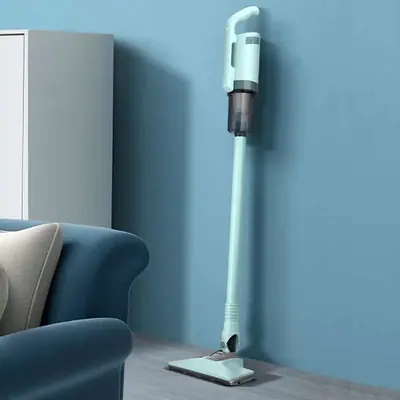
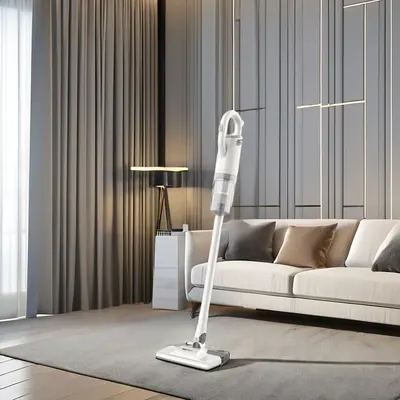
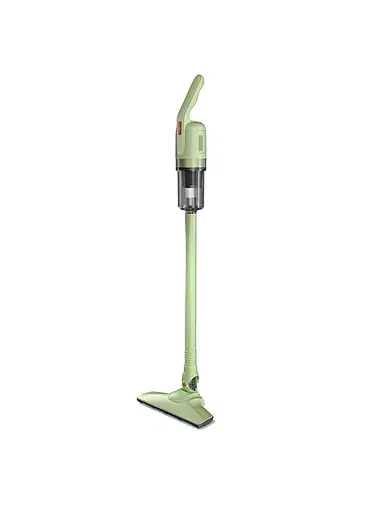
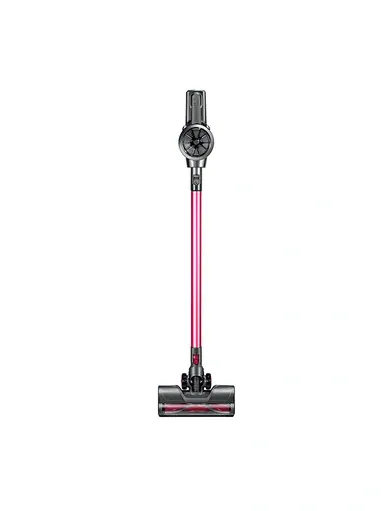
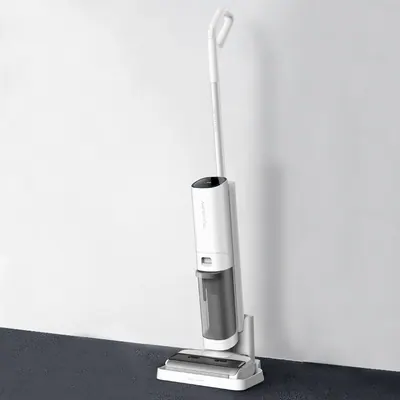
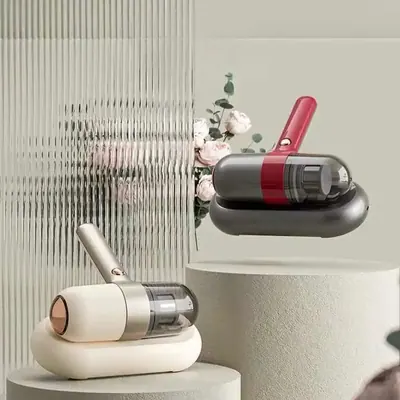
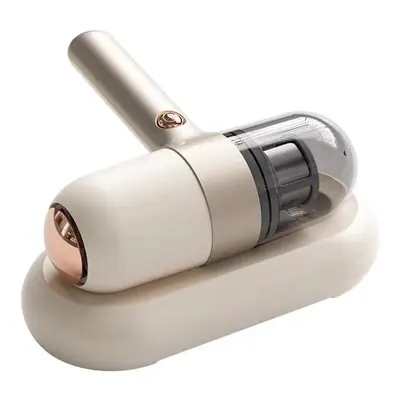

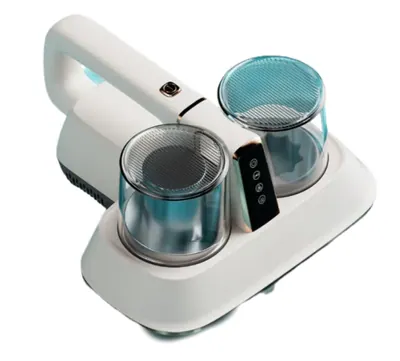
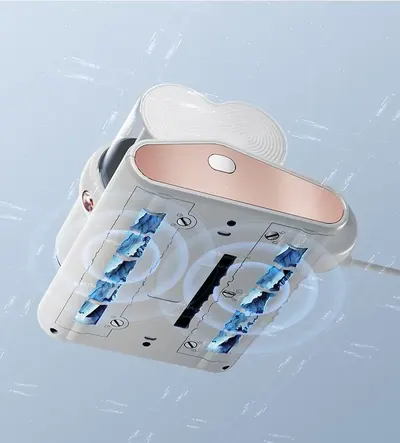
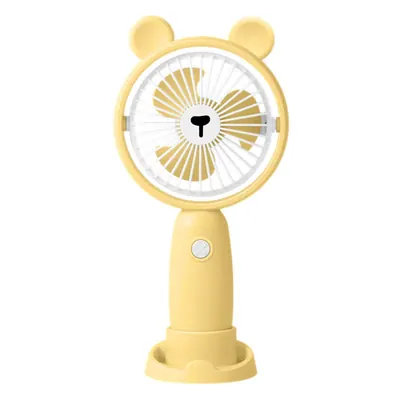
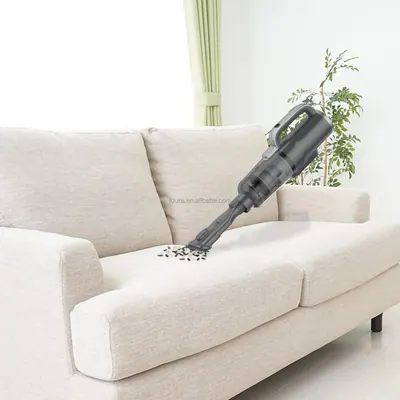
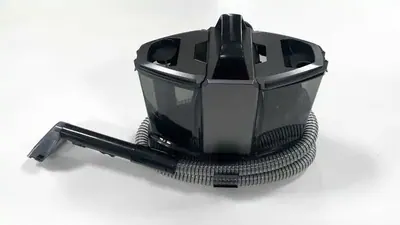
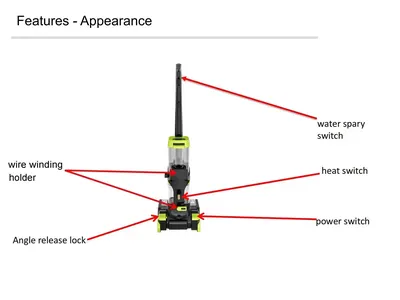
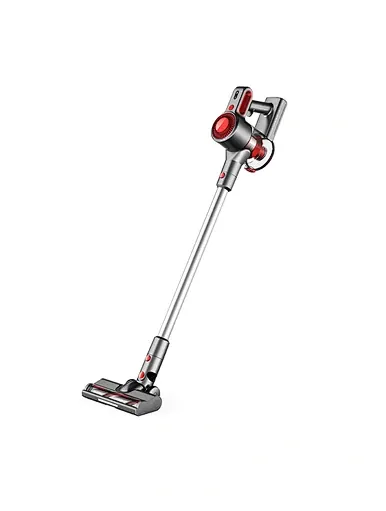
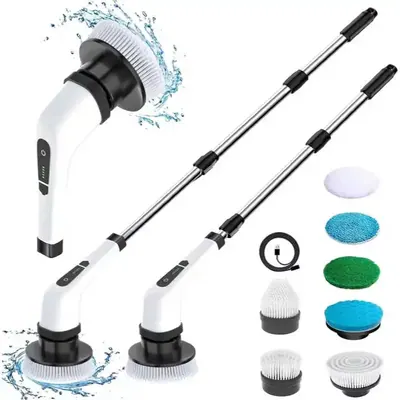
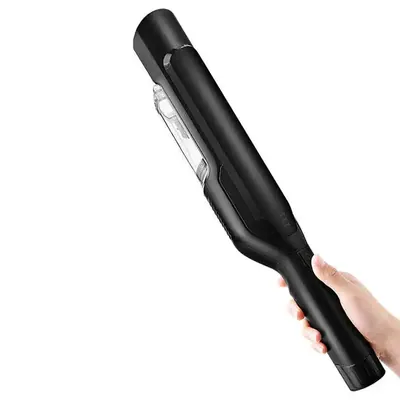
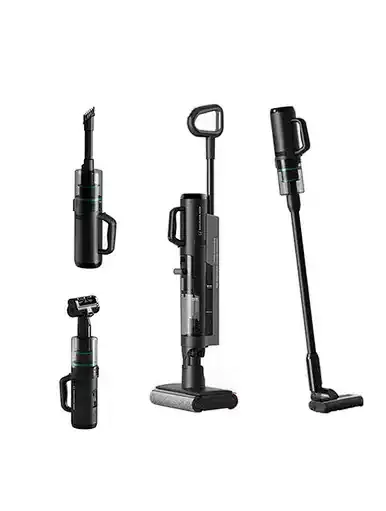
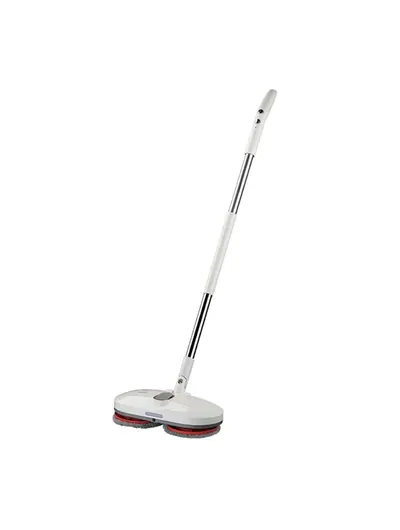
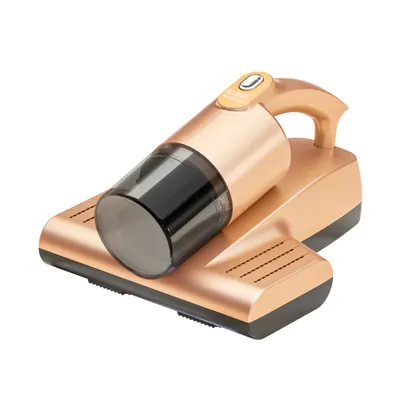
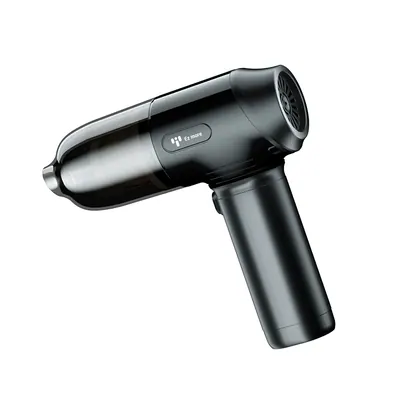
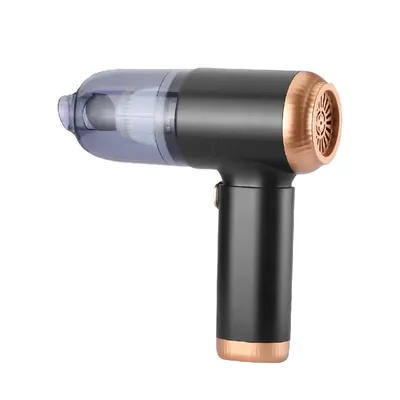
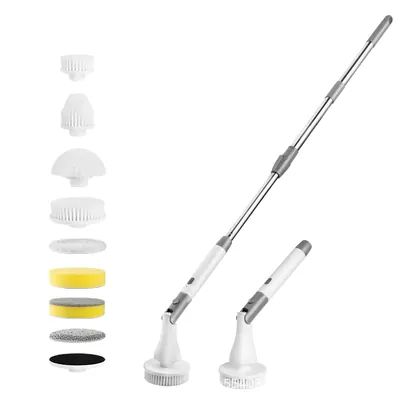
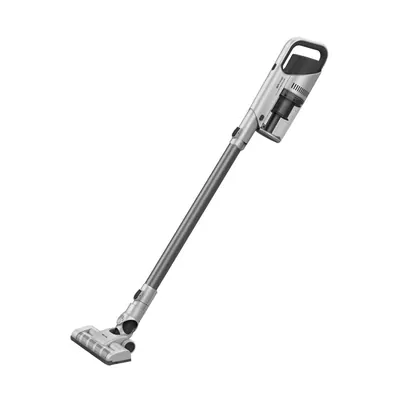
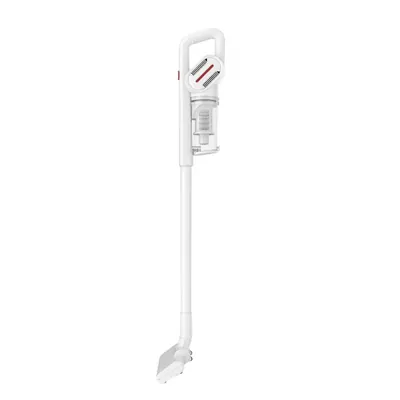
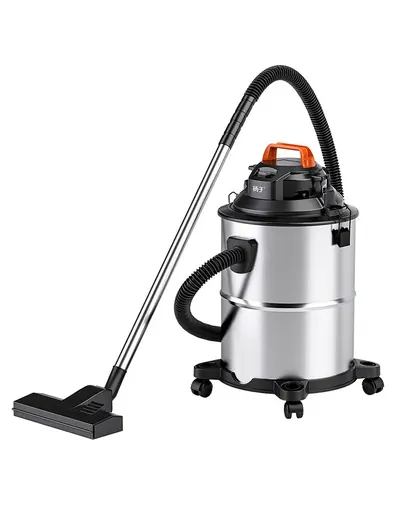
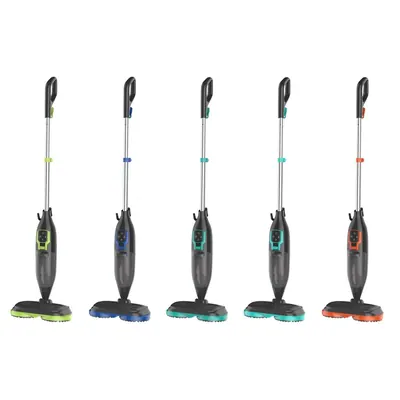
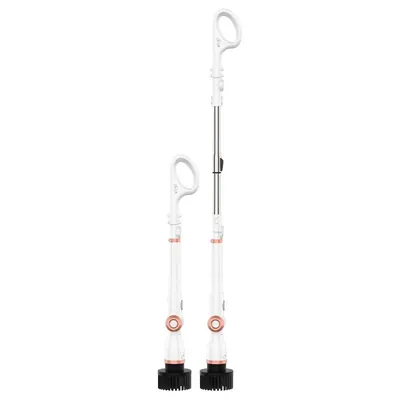
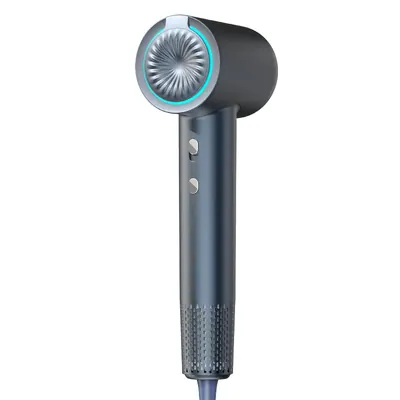
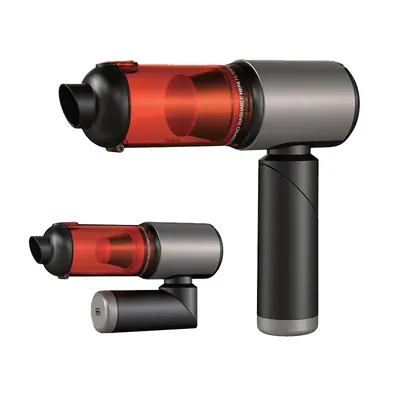
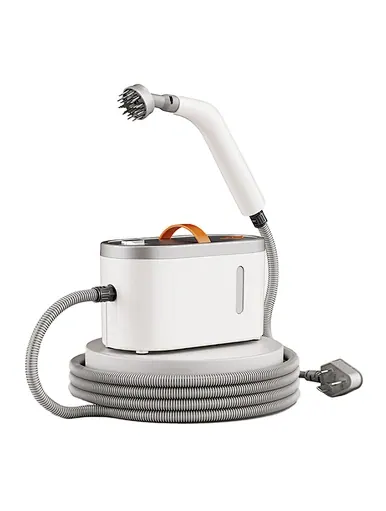
More Cleaning Appliances models with full specifications
These 9 lines have complete specifications on file — size, weight, carton quantity, MOQ and lead time are published on the model page, so you can quote them without going back and forth.
What the cleaning range covers
Three families sit in this category. Dry cleaning covers handheld, cordless, drum and canister vacuums, plus dust mite removers that are vacuums with a different head and a different marketing story. Wet cleaning covers electric mops, steam mops, steam cleaners and wet-dry floor cleaners. Surface and fabric care covers electric cleaning brushes, fabric cleaners, window cleaning robots and shoe dryers.
They are bought by different retailers. Floor care goes to appliance and home retailers; steam cleaners go to home and hardware channels; shoe and fabric care frequently goes to fashion and footwear brands as an accessory line.
The commercial difference between them is consumables. A vacuum with a filter, a bag or a brush roll that wears has repeat revenue attached; a steam mop largely does not.
The battery platform is the strategic decision
For anything cordless, the battery is not a component choice — it is the platform the whole range sits on. Voltage, cell format, capacity and the connector all have to be fixed before the first model is tooled, because changing them later means re-tooling every product that shares the pack.
A shared pack across several models is what lets a retailer sell a handheld vacuum, a window cleaner and a car vacuum as one family, and what lets the end user buy one charger and one spare battery. It also concentrates the certification work: one pack, one set of battery test reports, several products.
The counter-argument is weight and cost. A pack sized for a floor cleaner is oversized for a handheld. Most ranges end up with two packs rather than one, and it is worth deciding which two on the first order rather than the third.
Specification decisions that move the unit cost
| Decision | What it changes | Why it moves the price |
|---|---|---|
| Suction and airflow | Rated suction and the airflow the motor can sustain | A higher-spec motor and a tighter-sealed air path cost more, and the housing has to be designed for the pressure difference |
| Filtration | Bag, cyclone, or cyclone with a washable filter | Cyclones add mouldings and assembly steps; washable filters add a consumable the user replaces rather than you |
| Battery | Voltage, cell format, capacity and whether the pack is shared | Cell cost scales with capacity, and a proprietary pack adds tooling and certification of its own |
| Tank and steam system | Tank volume, heating time, steam pressure and trigger design | A pressurised steam system needs a sealed vessel and a pressure-rated heating element |
| Bar or brush roll | Roller material, drive type and whether it is removable | A driven brush roll adds a motor, a belt or gear train, and a removable one adds tooling |
| Accessory kit | Crevice tool, brush, upholstery head, extra filter | Tools are cheap individually and meaningfully additive across a full kit |
| Charging | Dock, wall mount, cable-only, or a charging station | A dock adds a moulding and contacts; a station adds a housing and a power supply |
Lithium batteries change the shipping, not just the product
Any cordless appliance in this category ships with a lithium battery, and lithium batteries are regulated goods in air and sea freight. That is a logistics decision made at quotation stage, not at the port.
The practical consequences are that the battery has to be declared and documented, that some carriers and some routes will not take certain configurations, and that packaging designed for a retail shelf is not necessarily packaging that satisfies the transport rules. Products shipped with the battery installed and products shipped with the battery separate are handled differently.
This is worth raising with us before the packaging is designed. It is one of the few places where a decision on the box affects whether the goods can leave at all.
Voltage, plug type and compliance by market
We do not pre-certify every SKU. Testing and certification are arranged for the specific model and the specific market you are ordering for, and quoted as their own line so you can see what they cost.
| Market | Voltage and plug | What is usually required |
|---|---|---|
| European Union | 220–240V, CEE 7/7 (Schuko) | CE marking with test reports behind it, plus the battery and charger documentation for cordless models |
| United Kingdom | 230V, BS 1363 (Type G) | UKCA marking with the test reports; cordless models carry the same battery documentation |
| North America | 110–120V, NEMA 1-15 or 5-15 | Listings that retailers and marketplaces accept before the product can be sold |
| Australia and New Zealand | 230–240V, AS/NZS 3112 (Type I) | Electrical safety approval, including the charger where one is supplied |
| Middle East and Southeast Asia | 220–240V, plug type varies by country | Depends on the destination; conformity documents are frequently required at customs |
Private label branding on cleaning appliances
Logo application follows the housing material, and in this category the more useful branding surface is often not the appliance at all. A vacuum lives in a cupboard; the box, the dock and the accessory bag are what the buyer and the end user actually see repeatedly.
Silk screen and pad printing are the usual methods on plastic housings, with heat transfer and laser engraving on metal and coated parts. Accessory kits, filter packs and spare batteries are also branded items and are worth designing as part of the range rather than as afterthoughts.
Packaging follows the channel: a color box for shelf retail, a brown box for marketplace and e-commerce, and a fitted box where the accessory kit is part of the perceived value. Both logo and packaging are proofed before production, and the artwork proof is free.
How a cleaning appliance order runs
The same sequence runs on every order, whether it is one model or a full floor care range.
- Brief — you send the product type, the target market, the channel and your estimated volume.
- Shortlist and quotation — we come back with models, pricing, minimum order quantity, lead time and carton data, including the battery configuration.
- Artwork proof — logo and packaging are proofed for your approval.
- Sample — a production sample is made and shipped so suction, run time, noise and the accessory kit can be checked.
- Bulk production — production runs to the approved sample.
- Pre-shipment — finished goods are photographed and inspected before dispatch, with the battery documentation prepared.
- Shipping — sea or air, FOB or CIF as agreed, with the battery declared.
Cleaning appliance questions buyers ask
Can you supply a range of cordless products that share one battery?
Yes, and it is worth doing. A shared pack means one charger, one spare battery and one set of battery test reports across several products. It has to be decided before the first model is tooled, so raise it at brief stage rather than after the range is designed.
What is the minimum order for a cleaning appliance?
It is quoted per model, because it depends on the model and on how much of it is already tooled. Both the minimum order quantity and the lead time are stated on the quotation for the specific model you pick.
How are the lithium batteries shipped?
As regulated goods, with the battery declared and documented. The exact handling depends on the configuration and the route, and some carriers will not take certain setups. We raise this at quotation stage because it can affect the packaging design.
Do your cleaning appliances come with certification?
We do not claim blanket certification across the catalog. Certification is arranged for the specific model and the specific market you are ordering for, and quoted as its own line. Ask us about the model you are considering and we will tell you what exists for it today.
Can we see a sample before ordering in bulk?
Yes. A sample is produced and shipped before bulk production, so suction, run time, noise and the accessory kit are confirmed first. The cost and the timing of that sample are on the quotation.
Can filters or brush rolls be supplied as a separate line for resale?
Yes. Consumables can be quoted as their own line with their own packaging, which is how most buyers turn a one-off sale into a repeat purchase. Tell us at brief stage which parts you want to resell.
If the appliance you need is not listed in this category, send the specification. The range here is drawn from the Cixi supply chain and it is not exhaustive.
Need help choosing?
Send us the product type, target market and estimated volume — we will shortlist models and quote.