Beauty & Hair Care OEM & ODM
58 models across 12 hair and skin device types — hair dryers, straighteners, curling and straightening brushes, hot air brushes, flat irons, heating pads and skin devices. Hair tools are among the most reviewed consumer products sold online, and the reviews turn on two numbers most specification sheets bury: how fast the tool reaches temperature, and how accurately it holds it.
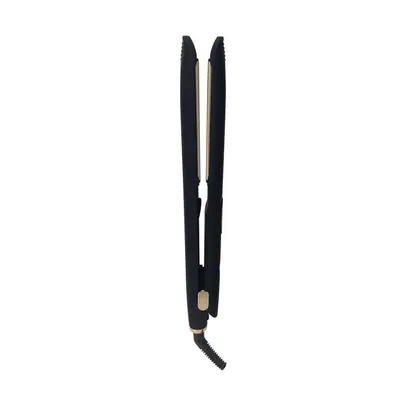
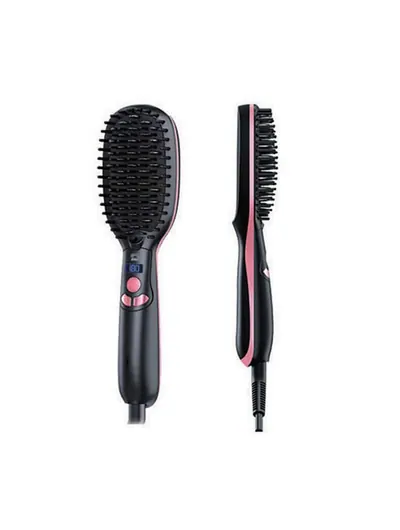
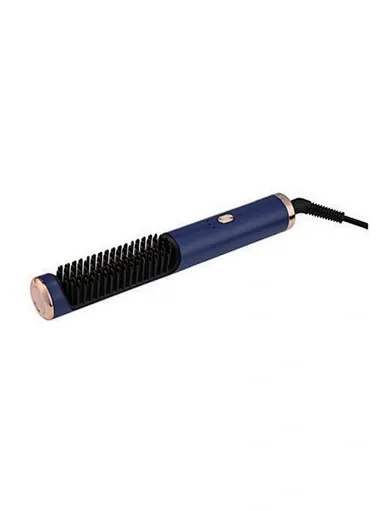
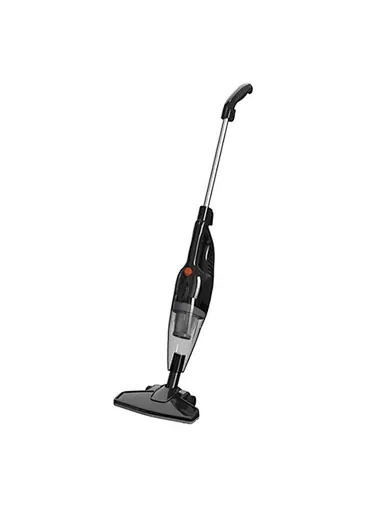
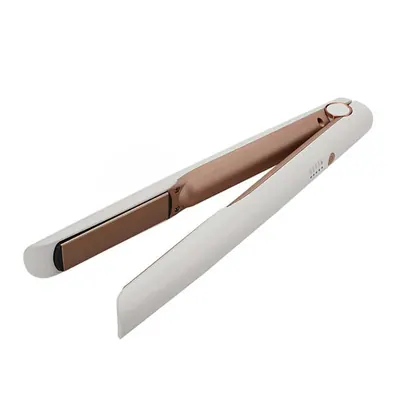
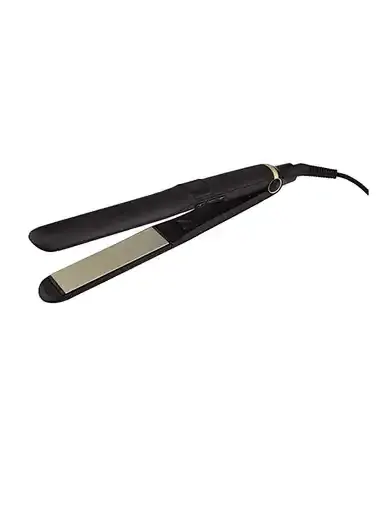
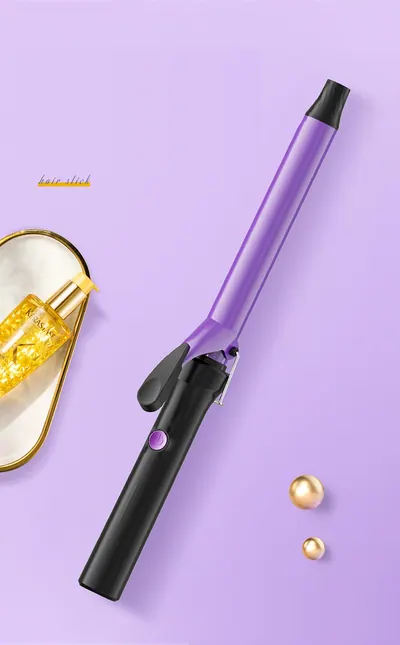
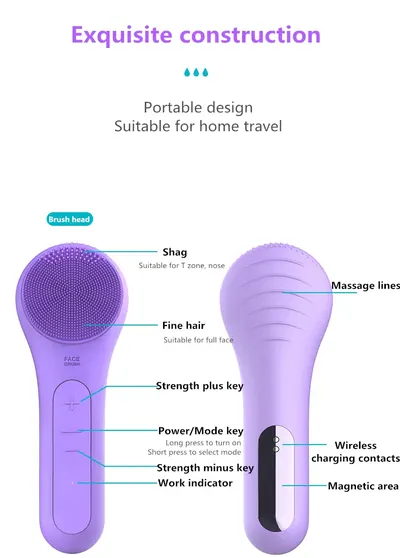
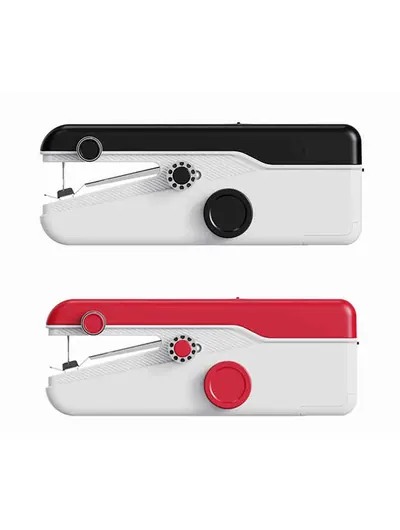
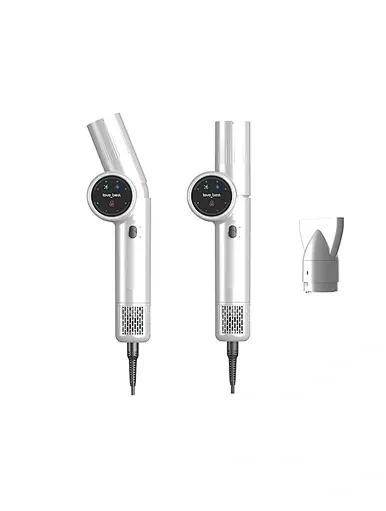
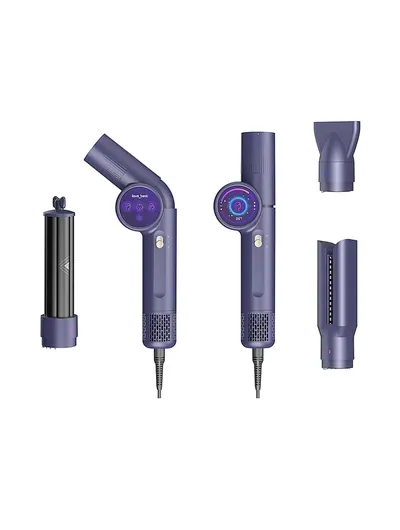
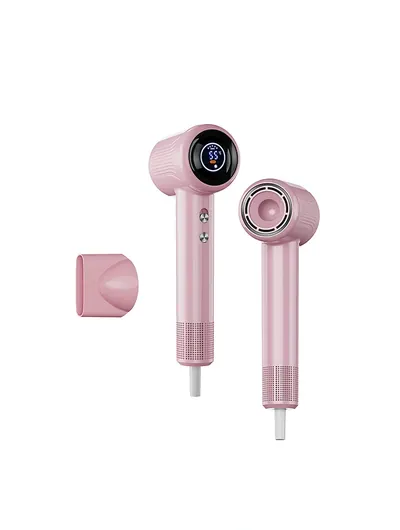
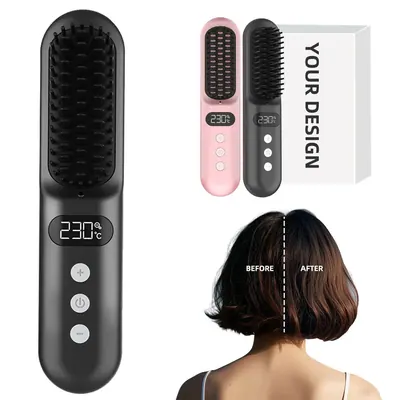
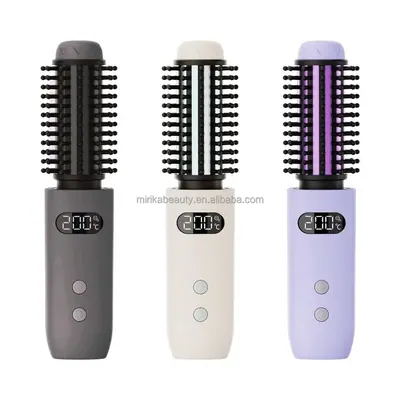
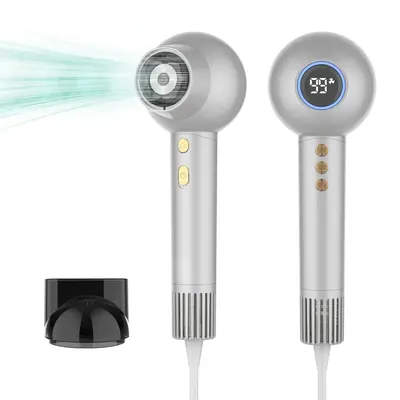
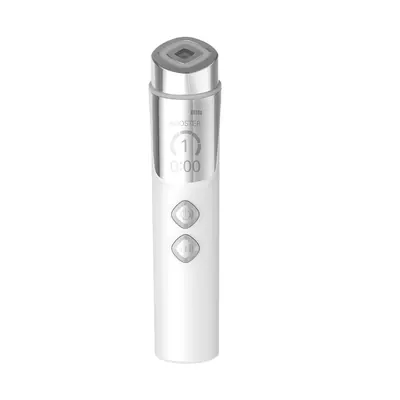
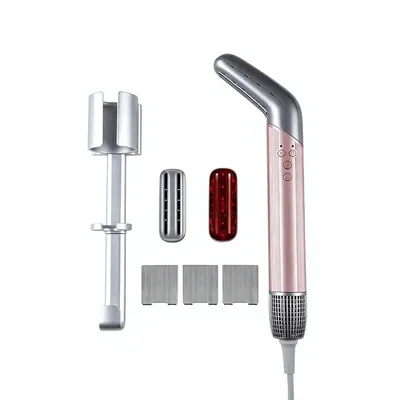
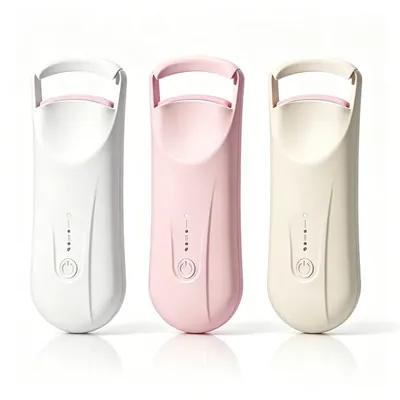
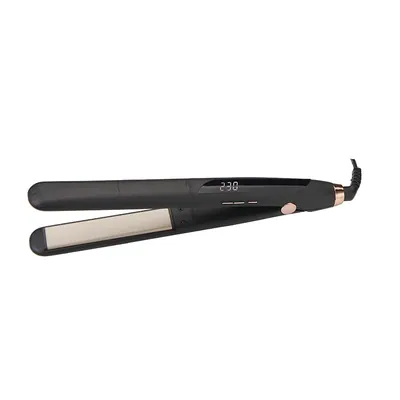
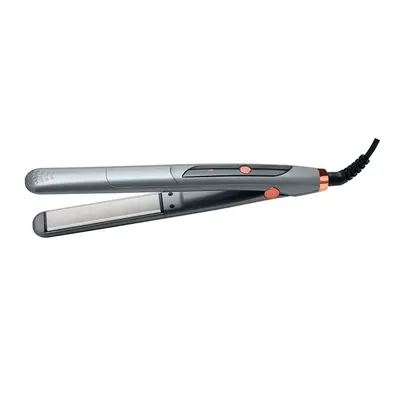
What the beauty and hair range covers
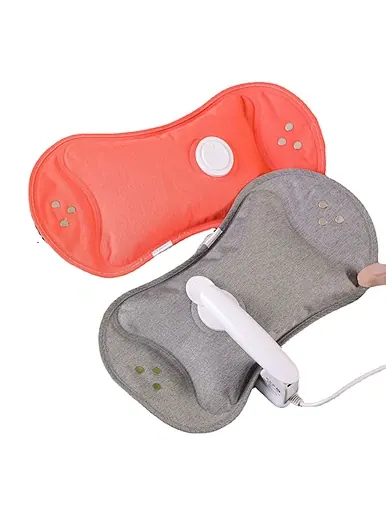
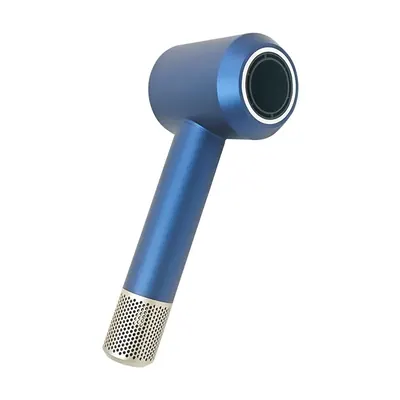
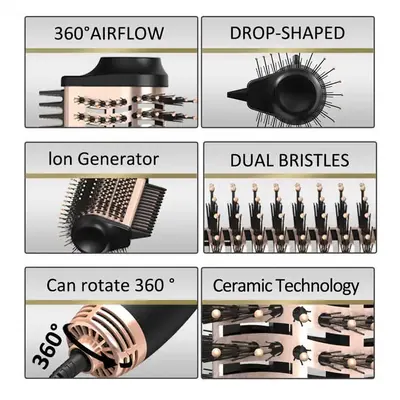
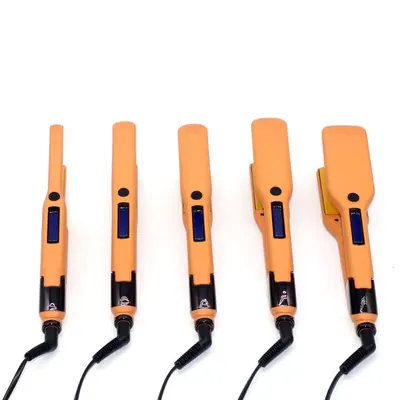
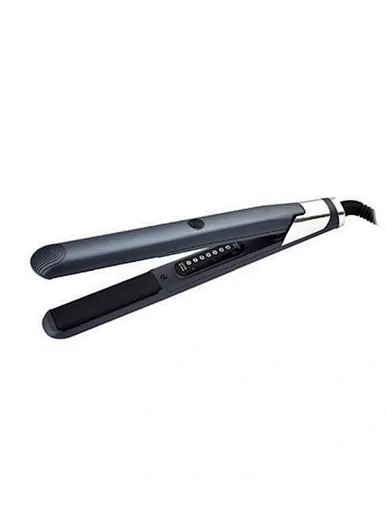
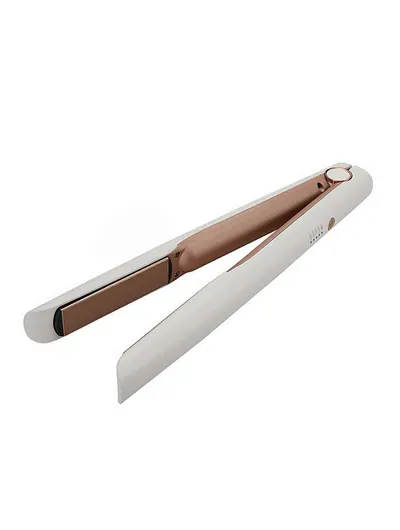
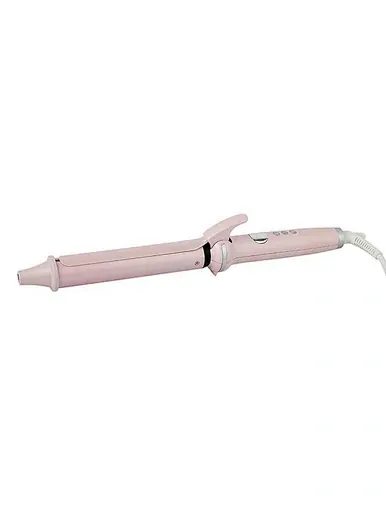
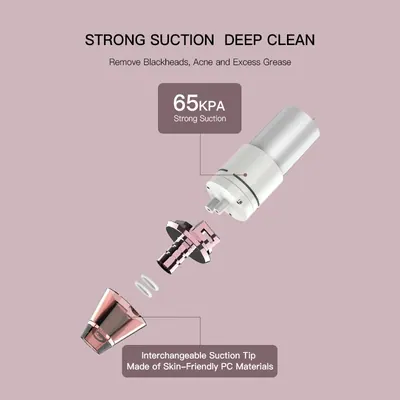
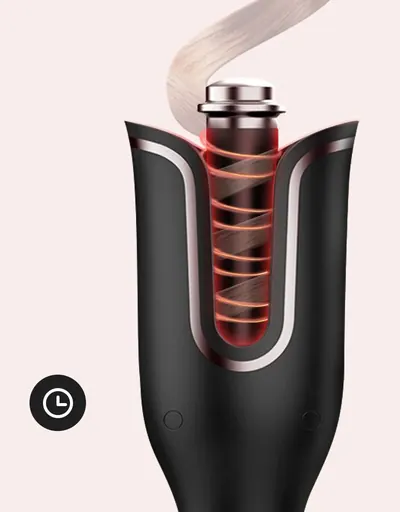
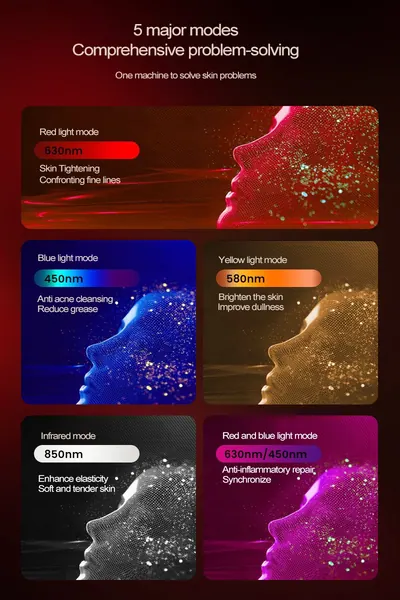
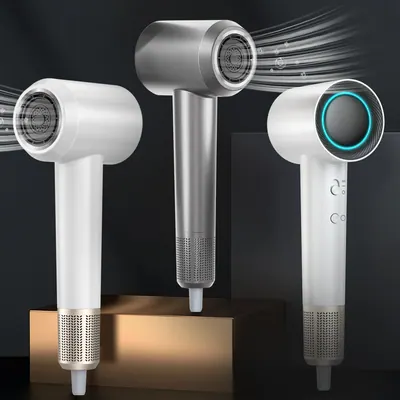
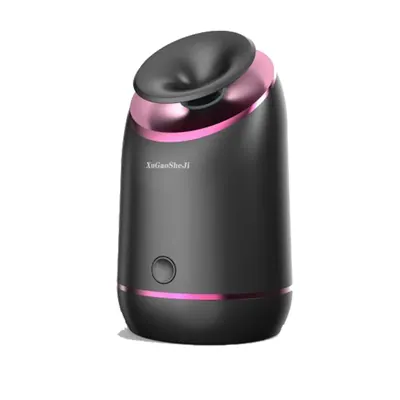
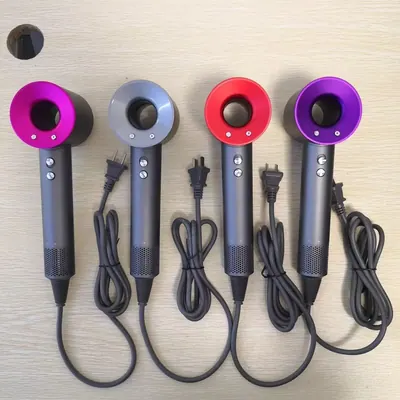
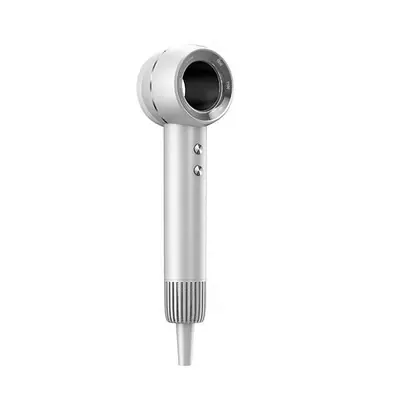
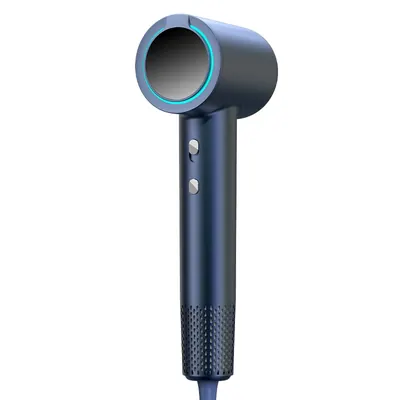
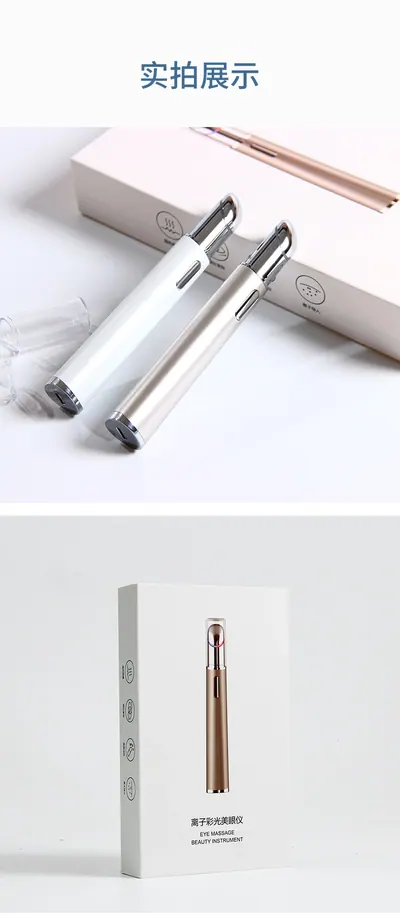
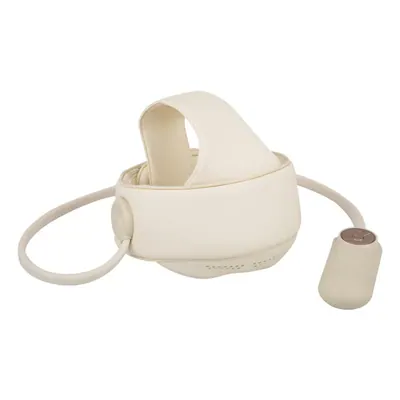
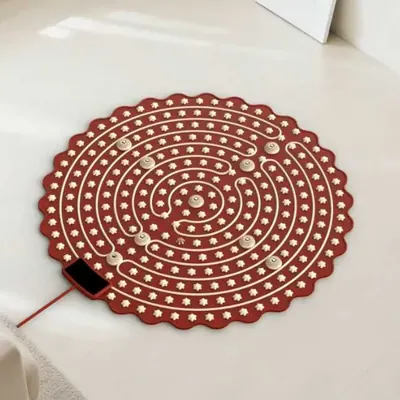
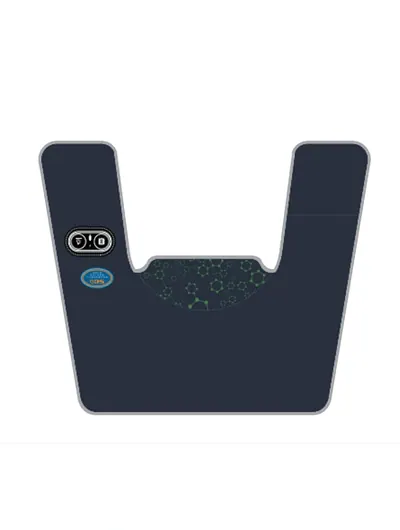
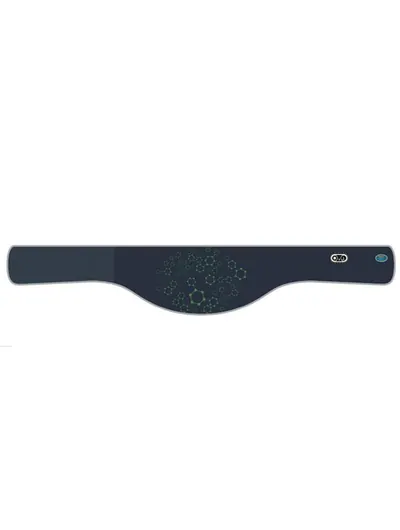
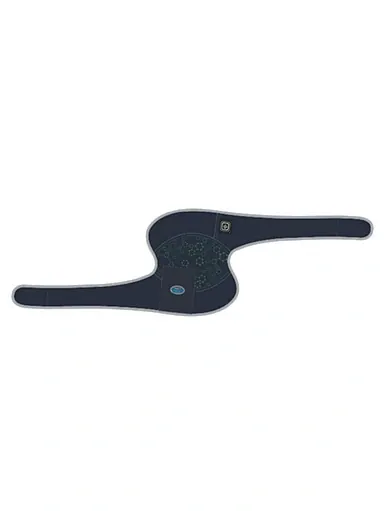
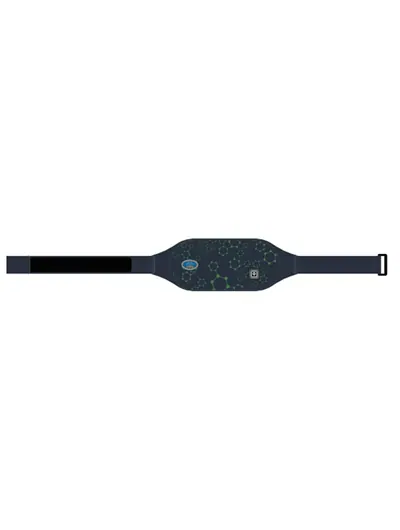
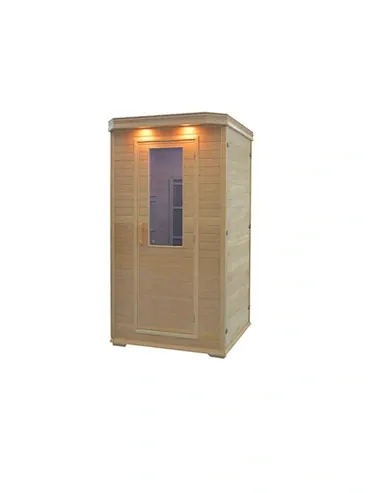
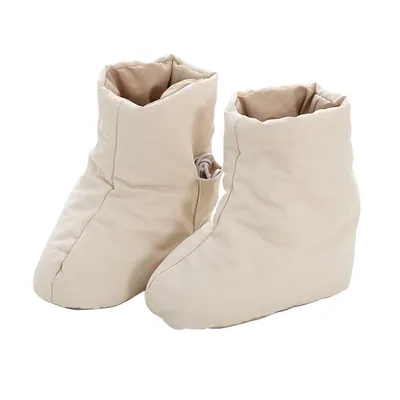
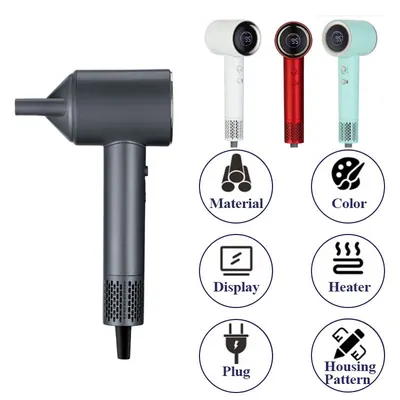
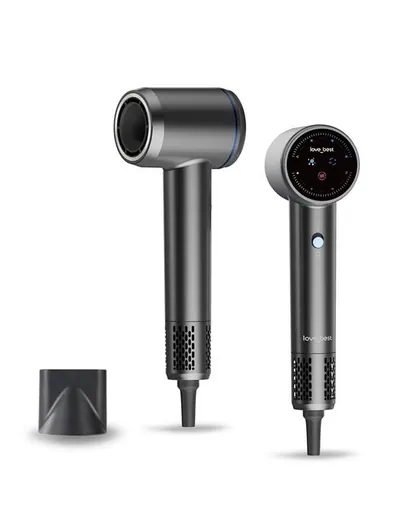
Styling is the core of the category: hair dryers, straighteners and flat irons, curling and straightening brushes, and hot air brushes that dry and shape in one pass. Warming products cover heating pads, waist belts and foot warmers. Skin devices cover facial cleansing brushes, blackhead removers, facial steamers and eye devices.
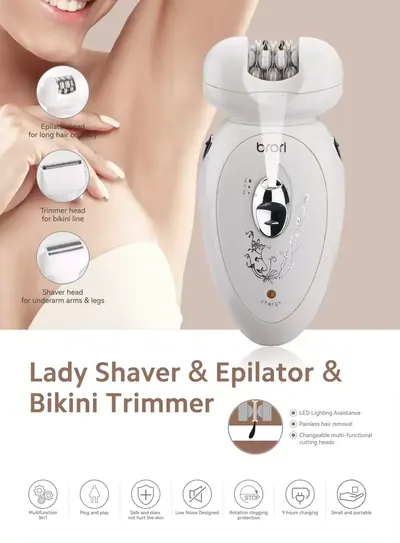
Two other groups sit here because they share the same buyers: epilators, which overlap with personal care, and larger formats such as infrared sauna units and smart sleep devices that go through wellness channels rather than beauty retail.
The styling group is the commercially significant one. It is also the group where an under-specified product is impossible to fix afterwards, because what the customer notices is thermal behavior, not construction.
Heat is the product — the specification that decides reviews
A straightener is judged on three things: how fast it reaches working temperature, how steadily it holds that temperature while the plates are loaded against wet or thick hair, and how evenly the two plates match. A tool with a high quoted maximum but poor recovery drops temperature on contact and the customer experiences it as a tool that does not work.
That is why the heater and the control loop matter more than the quoted top temperature. A higher-spec heating element with proper closed-loop control costs more and is not visible on the box, which makes it exactly the kind of decision a buyer should specify deliberately rather than leave to a default.
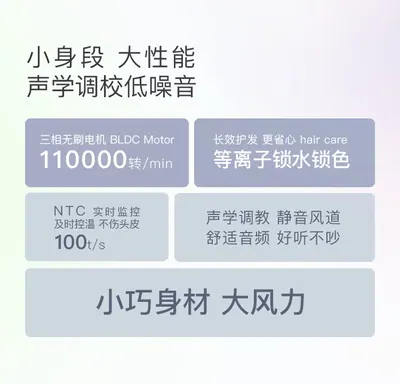
Airflow behaves the same way in a hair dryer. A high-wattage motor with a poorly designed air path is loud and slow; a well-shaped duct with a moderate motor dries faster at a lower noise level. Airflow and noise are set by the housing geometry, so they are fixed at tooling.
Specification decisions that move the unit cost
| Decision | What it changes | Why it moves the price |
|---|---|---|
| Heating element | PTC, MCH, or a wire element, and how much power it draws | Recovery speed under load, how evenly the plates match, and how quickly the tool is ready |
| Control | Fixed steps, adjustable dial, or closed-loop with a display | Closed-loop control holds temperature as the plates load, which is what the reviews measure |
| Plate or barrel coating | Ceramic, tourmaline, titanium or nano-coated | Coating cost, glide, and how the surface behaves on damp hair |
| Motor in dryers | AC, DC or brushless, and the impeller that goes with it | A brushless motor is quieter and lasts longer; the duct design decides whether the airflow is worth the motor |
| Ion generation | None, single emitter, or a generator with a stated output | A generator adds electronics and a claim that has to be supportable in the destination market |
| Voltage | Single voltage, or dual voltage for travel | Dual voltage adds switching hardware and a second approval, and limits the maximum power the tool can draw |
| Cord and swivel | Fixed cord, swivel joint, or a removable cord | A swivel is a common warranty failure point if under-specified, and a removable cord adds a connector |
Claims are constrained by the market, not by the factory
Hair and skin devices attract claims: temperature accuracy, ionic effect, damage reduction, skin safety. Which of those can be printed on the box and in the listing is set by the destination market and by the channel, not by what the product can do.
We do not advise on what a product may claim. What we do is keep the specification and the documentation factual, so that whatever claim the buyer decides to make is supported by a product that genuinely behaves that way. A coating described accurately, a temperature range quoted as measured, and a motor described by its type are all defensible; a number invented for packaging is not.
Where a buyer intends to make a specific performance claim, the time to say so is at brief stage, because it can change which model is the right starting point.
Voltage, plug type and compliance by market
We do not pre-certify every SKU. Testing and certification are arranged for the specific model and the specific market you are ordering for, and quoted as their own line so you can see what they cost.
| Market | Voltage and plug | What is usually required |
|---|---|---|
| European Union | 220–240V, CEE 7/7 (Schuko) | CE marking with test reports behind it; high-wattage styling tools are assessed as supplied, including the cord and plug |
| United Kingdom | 230V, BS 1363 (Type G) | UKCA marking with the test reports; travel models sold with a UK plug are approved as UK products |
| North America | 110–120V, NEMA 1-15 or 5-15 | Listings that retailers and marketplaces accept before the product can be sold |
| Australia and New Zealand | 230–240V, AS/NZS 3112 (Type I) | Electrical safety approval, with the charger or adapter assessed where one is supplied |
| Middle East and Southeast Asia | 220–240V, plug type varies by country | Depends on the destination; conformity documents are frequently required at customs |
Private label branding on hair and beauty tools
These products are handled constantly and photographed constantly, which makes the finish and the logo position more visible than in almost any other category. The logo is usually placed where the thumb rests or where the tool sits in a flat-lay photograph, and that is a decision worth making with the product in hand.
Silk screen and pad printing suit plastic housings; heat transfer and laser engraving suit metal barrels and coated plates. Soft-touch coatings, metallic finishes and coloured plates all change both the cost and the shelf impression, and they are best chosen at the same time as the logo rather than after it.
Packaging carries the gift and salon channels. A color box, a gift box, a heat-resistant pouch and a travel case are all available, with the instruction manual in your language and to your market's label requirements.
Beauty and hair questions buyers ask
What temperature should a straightener hold, and how is that verified?
The working range depends on the hair type the product is aimed at, and the more useful number is how steadily the plates hold temperature under load rather than the maximum quoted. We can supply the measured behavior of a specific model, and the way to confirm it is on a sample with the hair type you are targeting.
Can you make a dual-voltage travel styling tool?
Yes. Dual voltage adds switching hardware and a separate approval, and it limits the maximum power the tool can draw, which affects heat-up time. Where a buyer needs both a domestic and a travel version, they are quoted as two configurations.
What is the minimum order for a hair or beauty device?
It is quoted per model, because it depends on the model and on how much of it is already tooled. Both the minimum order quantity and the lead time are stated on the quotation for the specific model you pick.
Do your styling tools come with certification?
We do not claim blanket certification across the catalog. Certification is arranged for the specific model and the specific market you are ordering for, and quoted as its own line. Ask us about the model you are considering and we will tell you what exists for it today.
Can we specify a particular coating on the plates?
Yes, and it is worth doing because the coating decides both the glide and how the tool behaves on damp hair. Tell us the hair type and the finish you want, and we will tell you which coatings are available on the model you are considering.
Can we see a sample before ordering in bulk?
Yes. A production sample is made and shipped before bulk production, and in this category we recommend testing it on the hair type you are targeting rather than only inspecting the finish.
If the appliance you need is not listed in this category, send the specification. The range here is drawn from the Cixi supply chain and it is not exhaustive.
Need help choosing?
Send us the product type, target market and estimated volume — we will shortlist models and quote.