Hair Curler & Straightener OEM & ODM
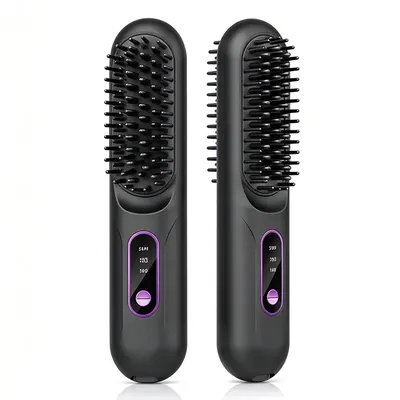
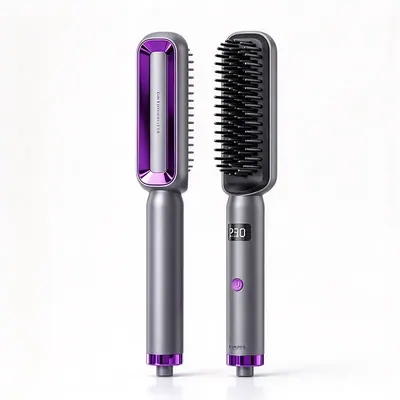
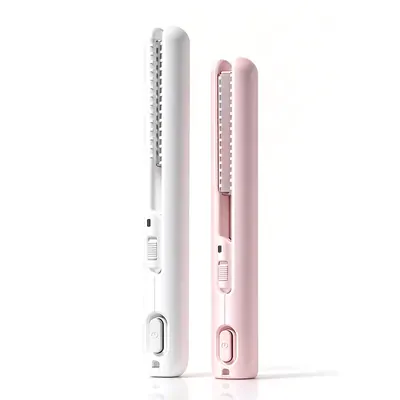
15 styling models combining straightening and curling — straightening brushes, hot air brushes and multi-function stylers. These are among the most reviewed consumer products sold online, and the reviews turn on two things a specification sheet rarely states: how fast the tool is ready, and whether the temperature it displays is the temperature the plates actually reach.
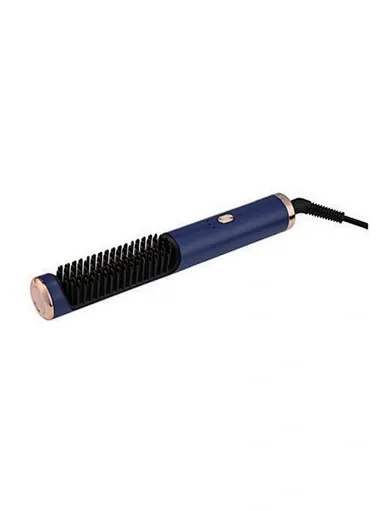
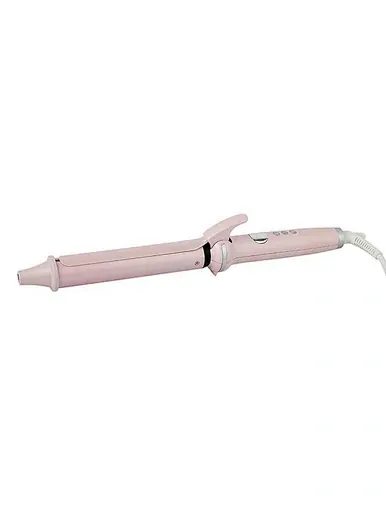
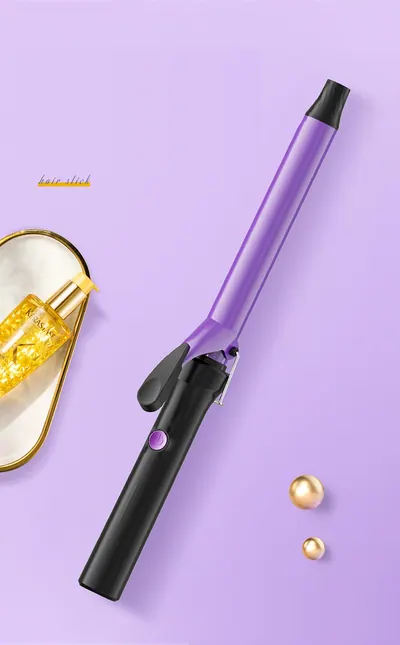
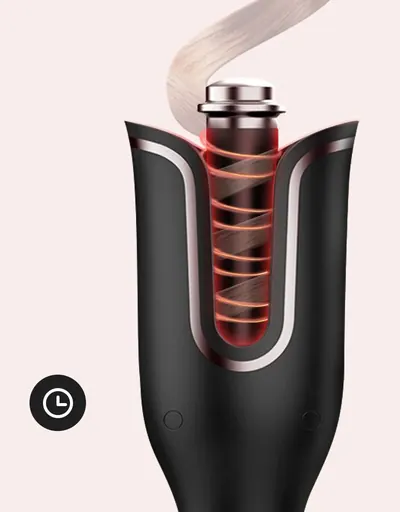
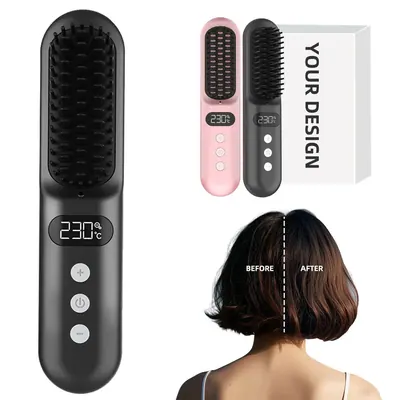
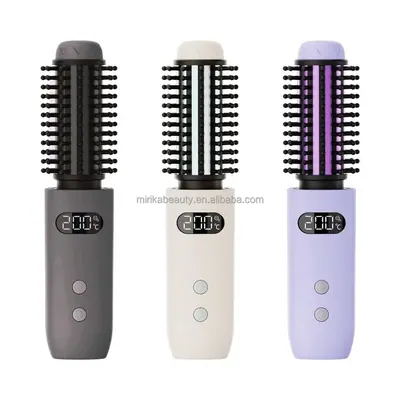
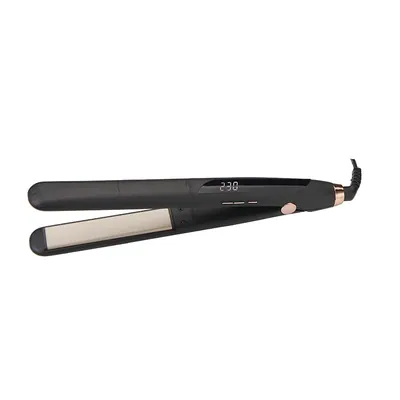
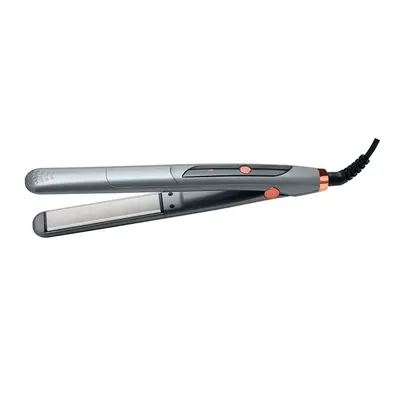
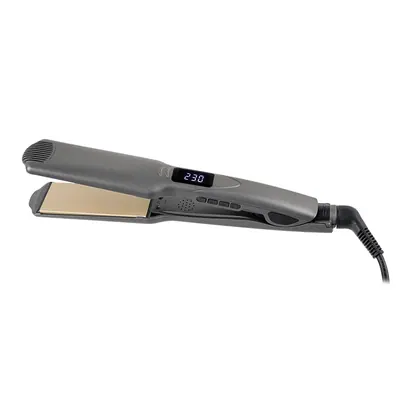
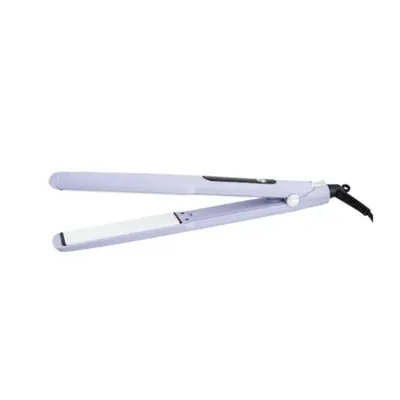
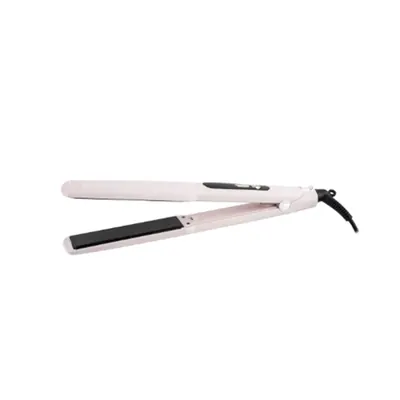
The displayed temperature is not always the plate temperature
A styling tool with a digital display shows a number, and that number is usually the setpoint rather than the temperature at the plate. Where the control loop is slow or the sensor is positioned away from the working surface, the two can differ by a meaningful margin — and the customer experiences the difference as a tool that either does not straighten or scorches.
The specification that matters is how closely the plate follows the setpoint once the tool is loaded against damp or thick hair. A tool that reads the setpoint accurately when idle and drops twenty degrees on contact behaves like a tool that is far cooler than it says.
That makes the heating element, the position of the sensor and the control loop the specifications to spend on, and it is why two tools quoting the same maximum temperature can behave completely differently.
Combination tools are a compromise, and it is worth being clear about which part works
A straightening brush, a hot air brush and a multi-function styler each combine two functions in one body, and each does the combination differently. A straightening brush passes bristles and a heated plate over the hair together, which suits fine to medium hair and struggle with coarse hair. A hot air brush dries and shapes at the same time, which suits volume and soft waves rather than a flat finish.
The commercial attraction of a combination tool is obvious, and the risk is that the customer buys it for the function it performs less well. Being specific in the listing about what each tool is for reduces returns more than any product change, and it narrows the audience to the customer who keeps it.
Where a buyer wants to cover both uses properly, two tools do it better than one. Where the price point does not allow that, one combination tool with a clearly stated purpose is the better product.
Specification decisions that move the unit cost
| Decision | What it changes | Why it moves the price |
|---|---|---|
| Heating element | PTC, MCH, or a wire element, and the power it draws | Heat-up speed, how closely the plate follows the setpoint, and how quickly it recovers under load |
| Control | Fixed steps, an adjustable dial, or closed-loop with a display | Closed-loop control holds temperature as the tool loads, which is what the reviews actually measure |
| Bristle and plate material | Nylon or boar-style bristles, and the coating on the plate or barrel | How the tool behaves on damp hair, how it glides, and how long the surface lasts |
| Airflow, for hot air brushes | Motor class, impeller and duct shape | Drying speed and noise, and the duct decides whether the airflow is worth the motor |
| Voltage | Single voltage, or dual voltage for travel | Dual voltage adds switching hardware and a second approval, and it limits the power the tool can draw |
| Auto shut-off | Whether the tool cuts out after a period of no use | Cheap to add and increasingly expected; its absence is a safety point rather than a convenience one |
| Cord and swivel | Length, and whether it swivels at the body | The tool is turned constantly in the hand, and a swivel under-specified for that is a common warranty failure |
Why combination tools get returned
The return reasons in this category are consistent, and they are almost all decided by the specification rather than in production. A straightening brush that does not straighten was bought by someone with coarse hair. A hot air brush that leaves hair frizzy was used on hair that was too wet. A tool that scorches was reading a setpoint its plates never reached.
Two of those three are addressed by the listing rather than by the product: stating the hair type and the starting condition the tool is designed for narrows the audience to the customer it suits. The third is addressed by the control loop, which is a decision made at tooling.
The practical approach is to sample with the hair type and the starting condition the product is aimed at, rather than on a mannequin or on dry, fine hair because that is what is available.
Voltage, plug type and compliance by market
We do not pre-certify every SKU. Testing and certification are arranged for the specific model and the specific market you are ordering for, and quoted as their own line. High-wattage styling tools are assessed as supplied, including the cord and plug.
| Market | Voltage and plug | What is usually required |
|---|---|---|
| European Union | 220–240V, CEE 7/7 (Schuko) | CE marking with test reports behind it, with the cord and plug assessed as supplied |
| United Kingdom | 230V, BS 1363 (Type G) | UKCA marking with the test reports, and a UK plug means the product is approved as a UK product |
| North America | 110–120V, NEMA 1-15 or 5-15 | Listings that retailers and marketplaces accept before the product can be sold |
| Australia and New Zealand | 230–240V, AS/NZS 3112 (Type I) | Electrical safety approval, with dual-voltage travel variants treated as separate configurations |
| Middle East and Southeast Asia | 220–240V, plug type varies by country | Depends on the destination; conformity documents are frequently required at customs |
Branding, and the surfaces that get photographed
These products are handled constantly and photographed constantly, which makes the finish and the logo position more visible than in almost any other category. The logo is usually placed where the thumb rests or where the tool sits in a flat-lay, and that is a decision worth making with the product in hand.
Silk screen and pad printing suit plastic housings; heat transfer and laser engraving suit metal barrels and coated plates. Soft-touch coatings, metallic finishes and coloured plates all change both the cost and the shelf impression, and they are best chosen together with the logo rather than after it.
Packaging carries the gift and salon channels. A color box, a gift box, a heat-resistant pouch and a travel case are all available, with the instruction manual in your language and to your market's label requirements.
Styling tool questions buyers ask
How do we make the displayed temperature match the plates?
By positioning the sensor at the working surface and using a control loop fast enough to hold the setpoint as the tool loads. Where the sensor sits away from the plate, the display reads the setpoint rather than what the hair experiences, and the customer notices it as scorching or as a tool that does not work.
Straightening brush or hot air brush?
They suit different uses. A straightening brush passes bristles and a heated plate over the hair together and suits fine to medium hair. A hot air brush dries and shapes at once, which suits volume and soft waves rather than a flat finish. Being specific in the listing is what reduces returns.
Can one tool cover both straightening and curling?
Combination models exist and sell well, and each does one of the two better than the other. Where the price point allows two tools, that covers both uses more convincingly. Where it does not, one combination tool with a clearly stated purpose is the better product.
What is the minimum order for a styling tool?
It is quoted per model, because it depends on the model and on how much of it is already tooled. Both the minimum order quantity and the lead time are stated on the quotation for the specific model you pick.
Do the styling tools come with certification?
We do not claim blanket certification across the catalog. Certification is arranged for the specific model and the specific market you are ordering for, and quoted as their own line. Ask us about the model you are considering and we will tell you what exists for it today.
Can we see a sample before ordering in bulk?
Yes. A production sample is produced and shipped before bulk production, and in this category we recommend testing it on the hair type and the starting condition the product is aimed at rather than only inspecting the finish.
If the styling tool you need is not in this list, send the specification — format, plate or bristle type, temperature range and voltage — and we will tell you what is available.
Need help choosing?
Send us the product type, target market and estimated volume — we will shortlist models and quote.