Electric Mop OEM & ODM
An electric mop is sold on scrubbing power and battery life, and the number that actually decides whether a floor comes clean is the water drip rate. Too little and the pad drags dry dirt around; too much and the floor is wet for ten minutes.
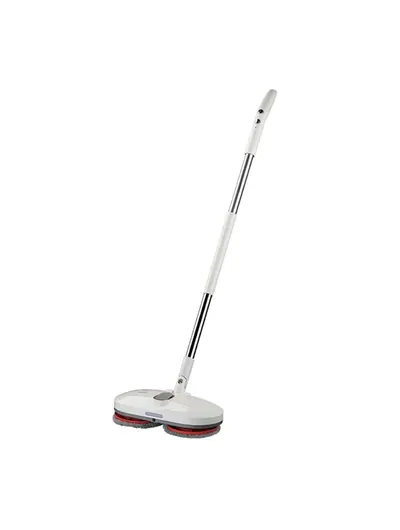
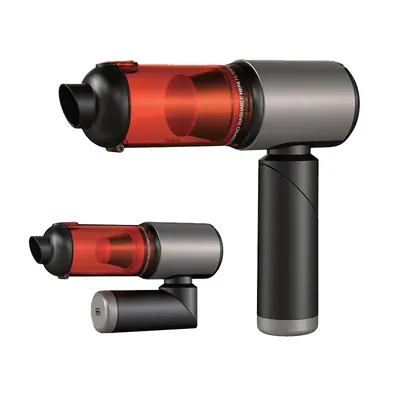
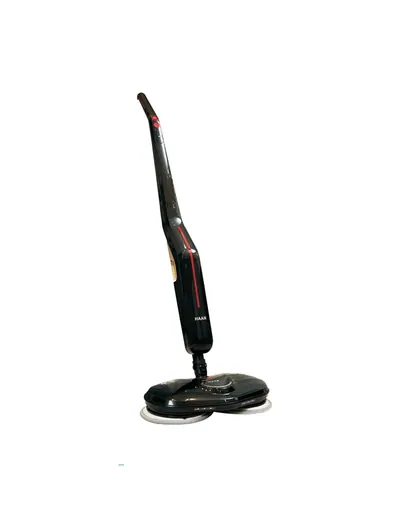
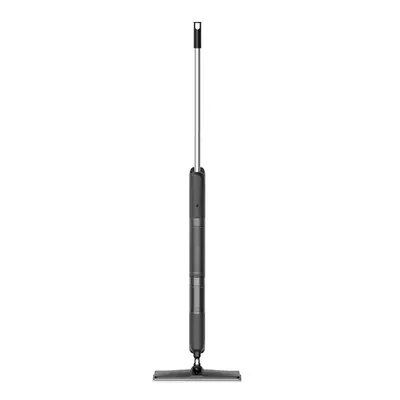
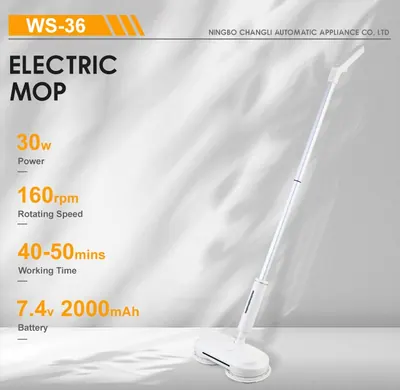
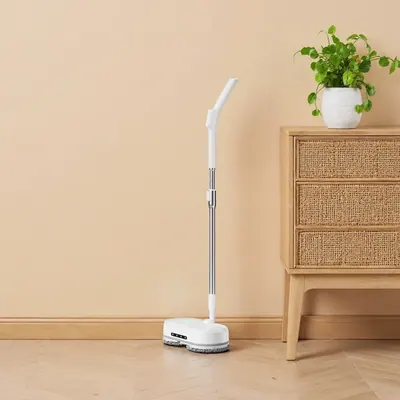
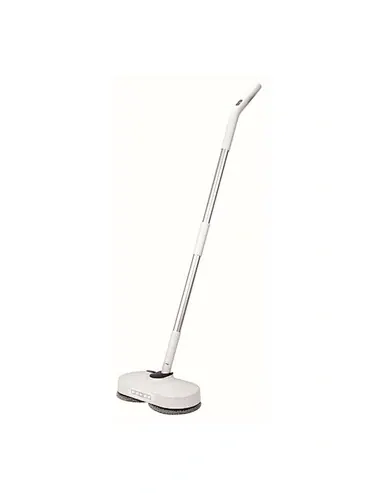
Water delivery is the control that is missing on most units
A wet mop needs a controlled trickle, not a spray. A tank with a manual pump gives the customer control but requires a press every few strokes; a gravity drip gives none and empties the tank in ten minutes; a solenoid or a small pump with a button gives control at a cost.
The practical specification is millilitres per minute at the lowest usable setting. Around 10 to 20 ml/min is enough to wet a pad and keep it working without leaving standing water, and a unit that cannot go below that is a unit that floods a floor.
Roller, flat pad or spinning disc
Three mechanisms dominate. A flat pad with a scrubber plate lifts surface dirt and is easy to rinse. A roller mop picks dirt up into a dirty-water tank and self-cleans the roller, which is more hygienic and more complex. A spinning disc scrubs hard and splashes.
The choice is really about what the customer will maintain. A flat pad that can go in a washing machine gets cleaned; a roller with a dirty-water tank that is awkward to empty gets left, and then it smells.
| Type | Cleaning action | Maintenance | Where it belongs |
|---|---|---|---|
| Flat pad + scrubber | Surface dirt, light scrubbing | Pad goes in the wash | Mainstream household |
| Roller + dirty tank | Picks dirt up, self-cleans roller | Tank must be emptied and rinsed | Premium household |
| Spinning disc | Hard scrubbing, grout lines | Pads wear quickly | Bathroom and tile |
| Steam + pad | Heat and moisture | Water only, no detergent | Hygiene-focused programs |
Runtime and tank size have to be matched
A mop that runs for 40 minutes on a tank that empties in 15 is a mop that stops early, and the customer blames the battery. The two numbers should be chosen together: the tank should last at least as long as the battery at the lowest usable flow.
The same arithmetic applies to the cleaning area quoted on the box. A figure in square meters is only meaningful with a stated flow rate and floor type, because a rough tile floor uses far more water than a sealed one.
The parts that fail: pump, battery, and the handle joint
The pump is the first failure in most electric mops, because it sits in a wet environment and runs dry when the tank empties. A pump rated for intermittent dry running, or a gravity feed with a valve instead of a pump, removes most of that failure.
The handle joint takes a bending load every stroke and is the second failure. A metal insert at the joint costs little and is the difference between a mop that lasts years and one that goes loose in months. Battery cells in a wet, warm environment age faster than the label suggests, so the pack should be removable or at least replaceable.
Market configuration at a glance
| Market | Power | Plug / charging | What changes |
|---|---|---|---|
| EU / UK | Battery or 220–240 V | USB-C, C/F, G | Battery transport documentation, WEEE, noise declaration |
| North America | Battery or 110–120 V | USB-C, A/B | Higher current; larger tanks expected |
| Japan | Battery or 100 V | USB-C, A | Re-rated charger; smaller tanks typical |
| SE Asia / Middle East | Battery or 220–240 V | C/G | Hard floors and high ambient; larger tank, more scrubbing |
Electric mop questions buyers ask
Why does my mop leave streaks?
Usually too much water. A drip rate above about 20 ml per minute leaves a film that dries unevenly, especially on sealed tile. A controllable pump, or a lower-flow valve, fixes it better than a different pad.
Roller or flat pad?
A flat pad if the customer will wash it; a roller if hygiene matters and the customer will maintain a dirty-water tank. The roller is more hygienic and loses that advantage entirely if the tank is not emptied.
Why does the battery run out before the tank?
Because the two were specified separately. The tank should last at least as long as the battery at the lowest usable flow, otherwise the mop stops with water still in it and the customer reads that as a battery fault.
What should be measured on a sample?
Flow rate at the lowest and highest settings, runtime at each, cleaning result on a standard soiled tile, and the force needed to move the mop when wet. That last one decides whether the customer finds it tiring.
Tell us the floor types you are targeting and whether the tank or the battery should be the limiting factor, and we will specify the flow rate and the pump type together.
Need help choosing?
Send us the product type, target market and estimated volume — we will shortlist models and quote.