Garment Steamer OEM & ODM
24 garment steamer models, from compact travel units to larger handheld and upright formats. A garment steamer is judged on whether it spits water onto the garment, and spitting is not a fault that develops — it is the result of how the boiler, the nozzle and the anti-drip path were designed together.
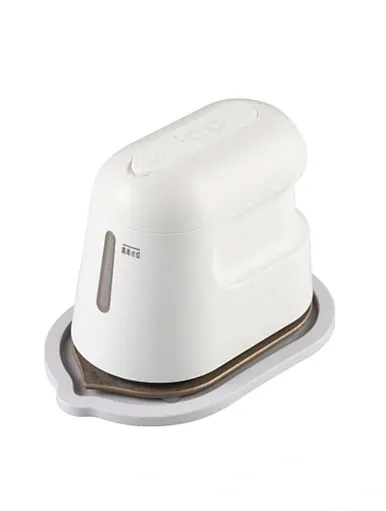
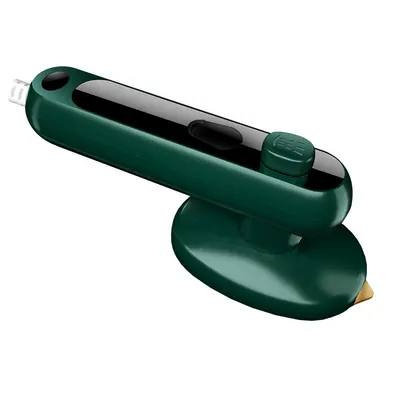
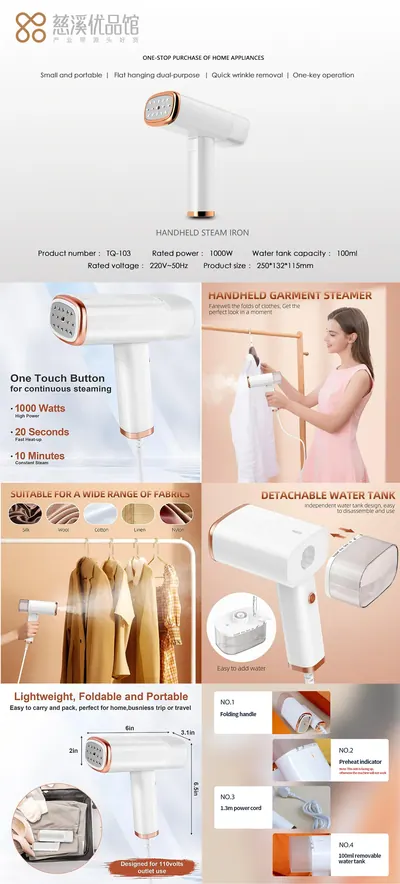
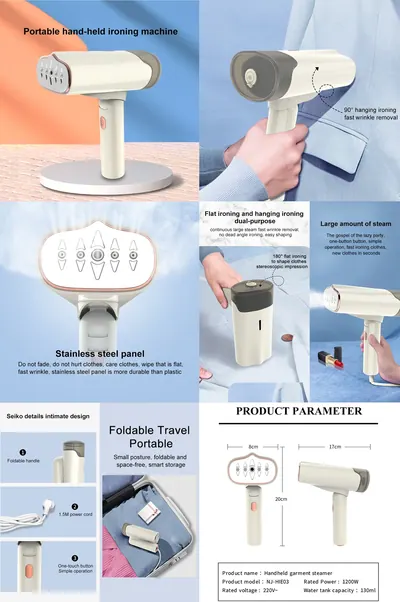
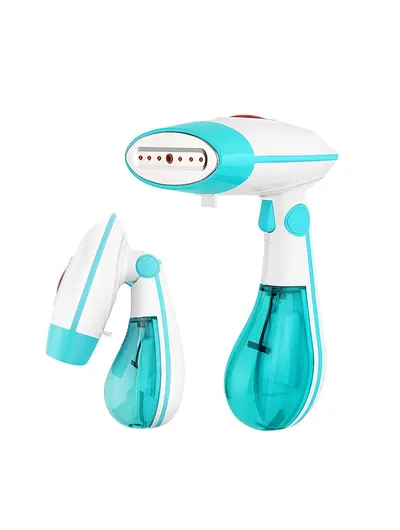
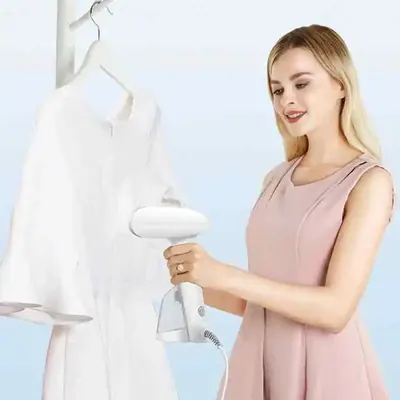
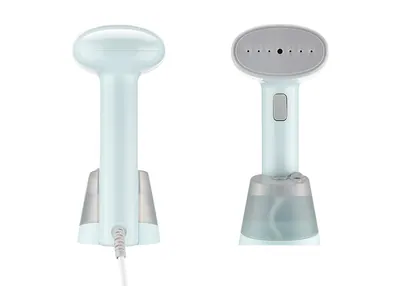
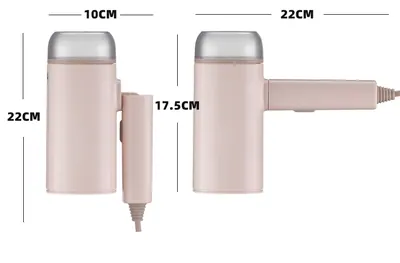
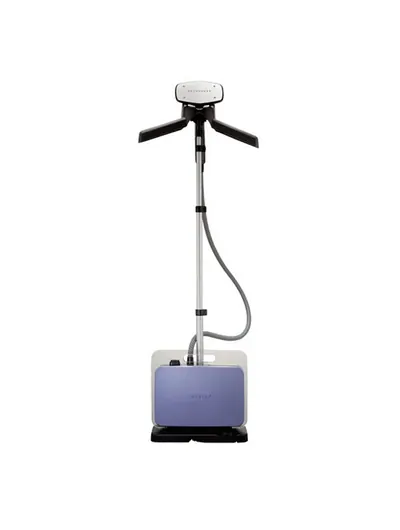
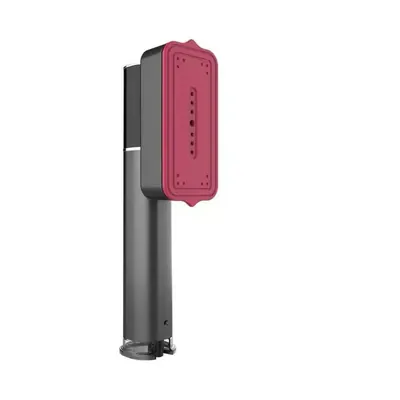
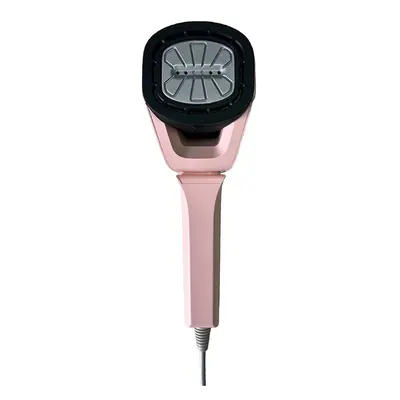

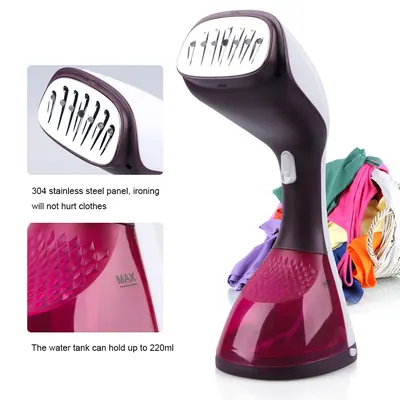
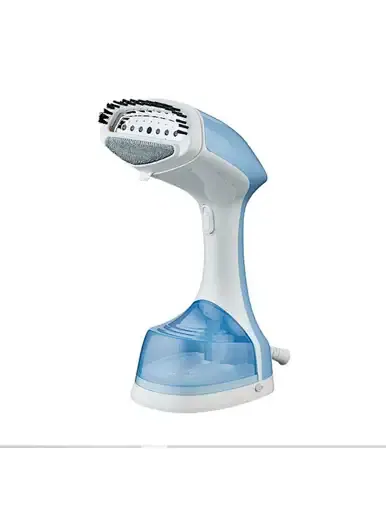
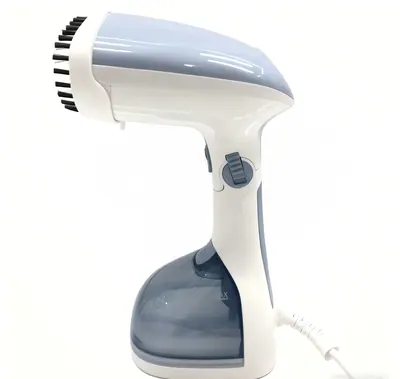
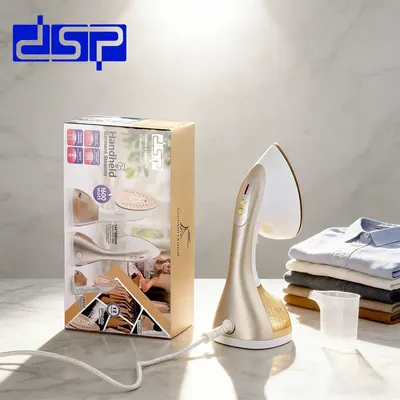
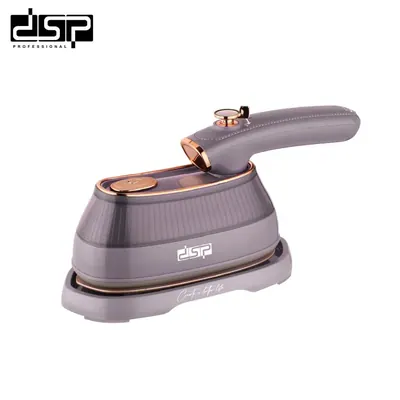
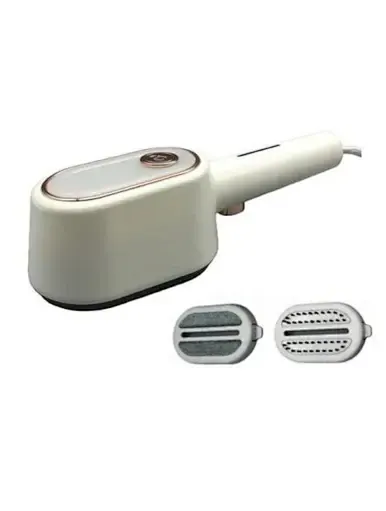
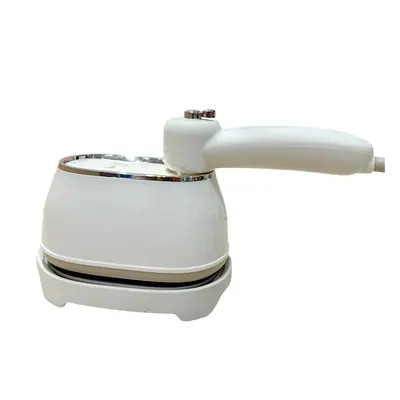
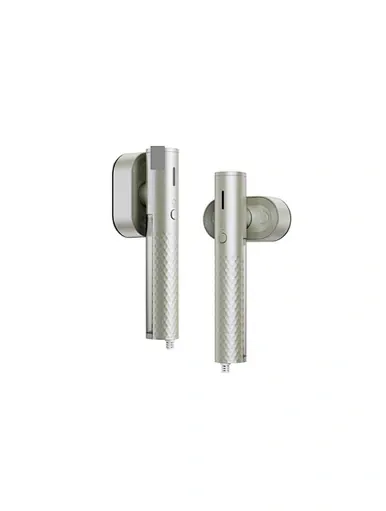
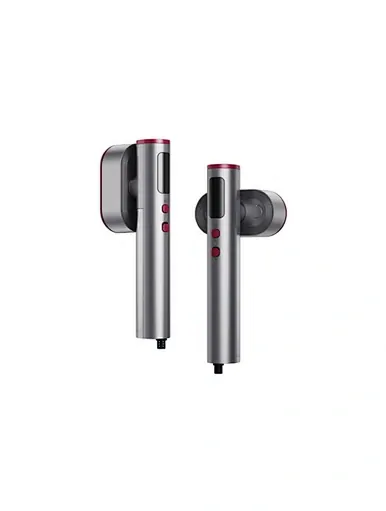
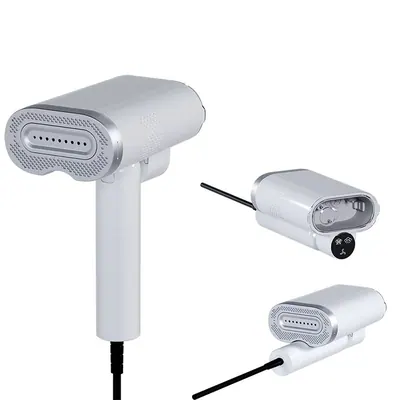
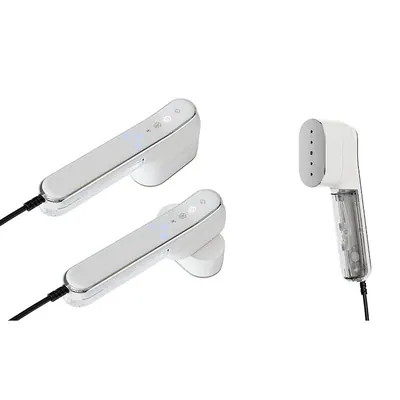
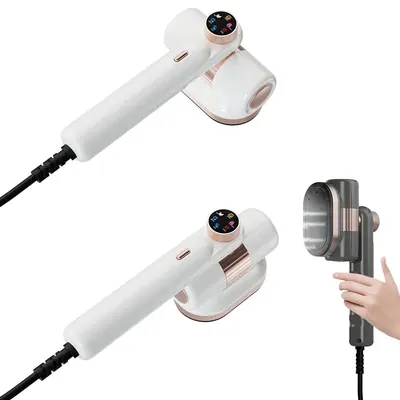
Spitting is a design decision, not a defect
The most common complaint about a garment steamer is that it leaves water marks. That happens when water reaches the nozzle as liquid rather than as vapor, which occurs in three situations: the unit has not reached working temperature, the boiler is overfilled so that water is carried over, or condensation in the hose and nozzle is not separated out before it reaches the fabric.
All three are addressed at design stage. A boiler with a proper pre-heat and a control that prevents steam being released before the temperature is reached removes the first. A fill line that is enforced by the tank geometry rather than by a printed mark removes the second. A drip path that traps condensation and returns it to the tank removes the third.
The consequence for a buyer is that the price difference between two steamers is frequently the difference between having those three features and not having them, and it is a difference the customer experiences in the first minute of use.
Specification decisions that move the unit cost
| Decision | What it changes | Why it moves the price |
|---|---|---|
| Steam output | Grams per minute, and whether it is continuous or burst | A higher continuous output needs a larger boiler and a stronger element; burst output needs an accumulator and a trigger mechanism |
| Pre-heat and control | How long the unit takes to be ready, and whether it prevents release before then | This is what stops spitting, and it adds a sensor and a control loop rather than a component |
| Anti-drip path | How condensation is separated and returned | A formed internal path adds moulding complexity and is invisible in the finished product |
| Tank | Volume, fill method, and whether it is removable | A removable tank adds a seal and a release mechanism, and it makes the unit far easier to empty and dry between uses |
| Nozzle and head | Material, size and whether it is replaceable | A ceramic or coated face spreads the steam without wetting; a replaceable head is also a consumable line |
| Format | Handheld, upright with a pole, or travel with a folding handle | Format decides the housing, the carton volume and the retail channel, and a folding handle adds a hinge and a detent |
| Cord and reach | Cord length, and whether the unit is corded or rechargeable | Cordless adds cells and shipping documentation; a short cord is a frequent complaint on a corded unit |
Travel formats bring their own requirements
A large share of this category is bought for travel, and travel changes the specification rather than the marketing. A travel steamer has to be light enough to pack, small enough to fit a case, and able to work on whatever voltage it encounters.
Dual voltage is the first requirement, and it is a different approval from a single-voltage unit. The second is the handle: a fixed handle makes the product a shape that has to be packed around, while a folding handle makes it a shape that fits. The third is the tank, which should be emptyable, because a steamer packed with water in it is a steamer that leaks into a suitcase.
None of these are expensive individually. Together they are the reason one travel steamer is packed and used and another is left at home.
What the steamer can and cannot do
A steamer relaxes fibers and lifts odour; it does not press a crease into a shirt and it does not remove a stain. Buyers who expect an iron are disappointed, and that expectation is set by the listing rather than by the product.
What a steamer does well is refresh a garment that has been worn, hung and packed, which is why the product is popular with travellers and with people who do not iron. Stating that plainly narrows the customer to the one who will keep the product, which is better for the seller than a wider audience that returns it.
Where a buyer wants a product that both presses and steams, the handheld steam iron in the laundry range covers part of that ground rather than the steamer doing it.
Voltage, plug type and compliance by market
We do not pre-certify every SKU. Testing and certification are arranged for the specific model and the specific market you are ordering for, and quoted as their own line. Dual-voltage travel models are a separate configuration and are approved as such.
| Market | Voltage and plug | What is usually required |
|---|---|---|
| European Union | 220–240V, CEE 7/7 (Schuko) | CE marking with test reports behind it; travel models supplied with an adapter are assessed as supplied |
| United Kingdom | 230V, BS 1363 (Type G) | UKCA marking with the test reports, and a UK plug means the product is approved as a UK product |
| North America | 110–120V, NEMA 1-15 or 5-15 | Listings that retailers and marketplaces accept before the product can be sold |
| Australia and New Zealand | 230–240V, AS/NZS 3112 (Type I) | Electrical safety approval, with dual-voltage travel variants treated as separate configurations |
| Middle East and Southeast Asia | 220–240V, plug type varies by country | Depends on the destination; conformity documents are frequently required at customs |
Branding and the travel case
The handle is held throughout use and is the branded surface, applied by pad printing or silk screen on plastic and heat transfer on coated surfaces. On a travel product the case is part of the product rather than packaging for it, and it is frequently what the buyer approves first.
A fabric pouch is cheap and keeps the steamer separate from clothing; a moulded or semi-rigid case protects the nozzle and is what most travel products at a higher price point include. Both are also the object photographed in most listings, since a steamer on its own is not a photogenic product.
Packaging follows the channel: a color box for retail, a plain carton for marketplace shipping, and the artwork proof is free.
Garment steamer questions buyers ask
How do we stop the steamer spitting water?
By designing for it: a pre-heat that prevents steam release before working temperature, a tank geometry that enforces the fill level, and an internal drip path that separates condensation before it reaches the fabric. All three are design decisions, and they are the reason two steamers at different prices behave differently.
Can a steamer replace an iron?
No. It relaxes fibers and lifts odour but does not press a crease in or remove a stain. Where a buyer needs both, a handheld steam iron covers part of that ground. Being clear about this in the listing reduces returns more than any product change.
Should a travel model be dual voltage?
If it is genuinely a travel product, yes, and it is a separate approval from a single-voltage unit. It also limits the maximum power the unit can draw, which affects heat-up time. Where a buyer needs both a domestic and a travel version, they are two configurations.
What is the minimum order for a garment steamer?
It is quoted per model, because it depends on the model and on how much of it is already tooled. Both the minimum order quantity and the lead time are stated on the quotation for the specific model you pick.
Do the steamers come with certification?
We do not claim blanket certification across the catalog. Certification is arranged for the specific model and the specific market you are ordering for, and quoted as their own line. Ask us about the model you are considering and we will tell you what exists for it today.
Can we see a sample before ordering in bulk?
Yes. A production sample is produced and shipped before bulk production, and in this category we recommend using it on real garments rather than only checking that it produces steam.
If the steamer you need is not in this list, send the specification — format, steam output, tank and whether a travel case is required — and we will tell you what is available.
Need help choosing?
Send us the product type, target market and estimated volume — we will shortlist models and quote.