Fabric Lint Remover OEM & ODM
23 fabric shaver and lint remover models, in corded and rechargeable formats with a range of blade and guard designs. This is the one product in the catalog that can damage the customer's property rather than merely disappoint them, and the setting that decides which of the two happens is the height of the guard above the blades.
Fabric Lint Remover OEM & ODM: models, specifications and MOQ
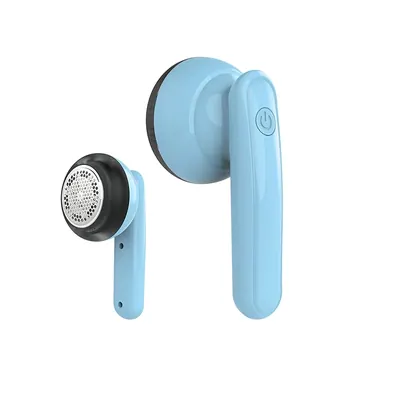
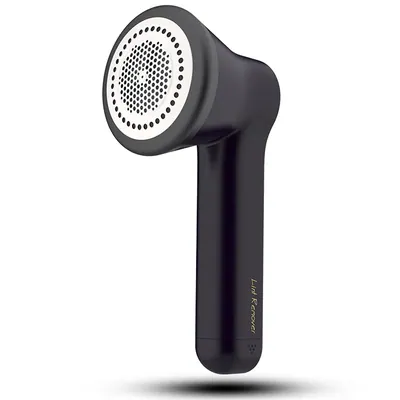
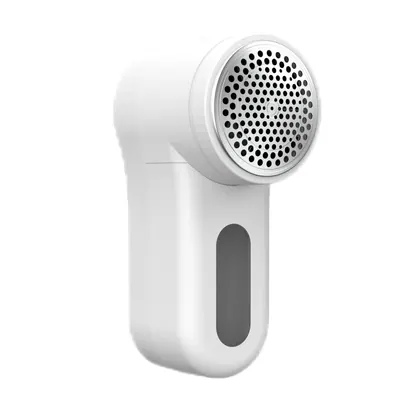
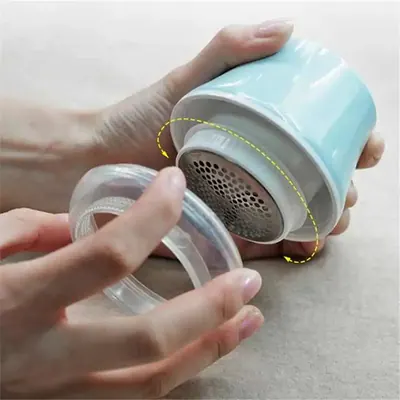

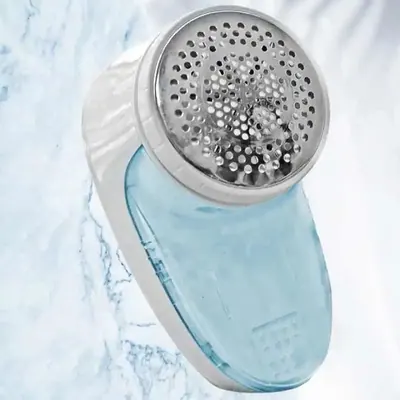
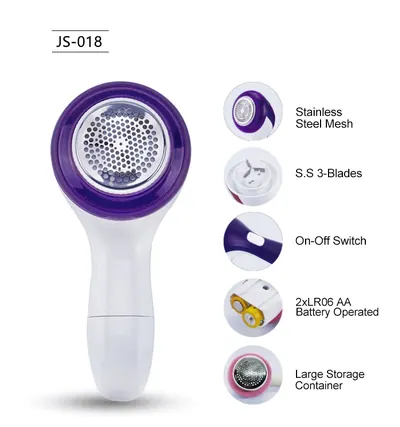
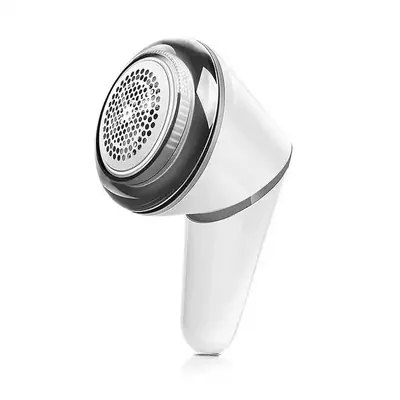
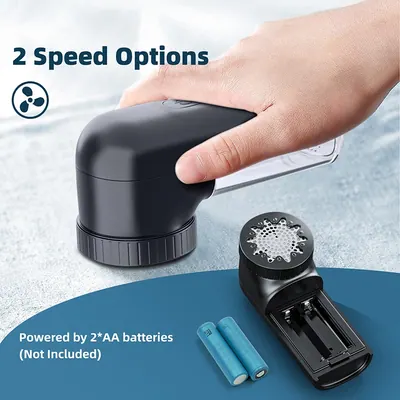
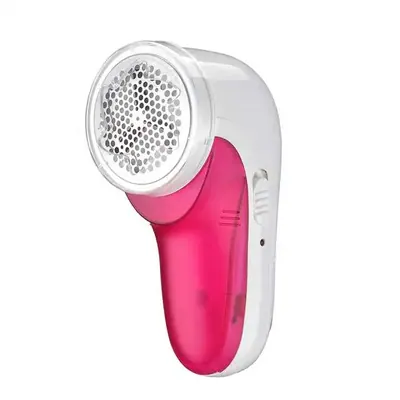
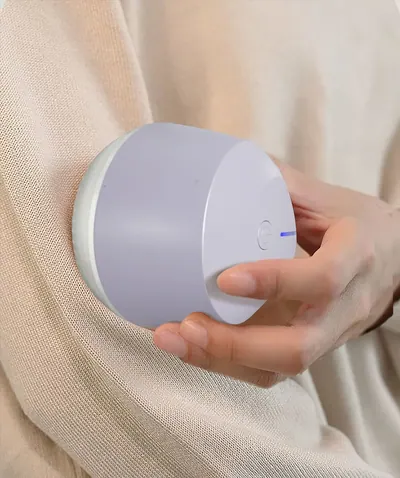
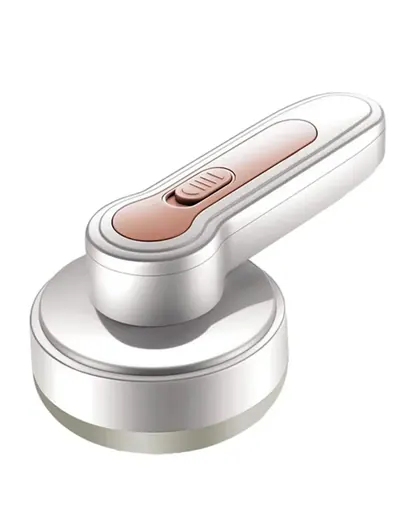
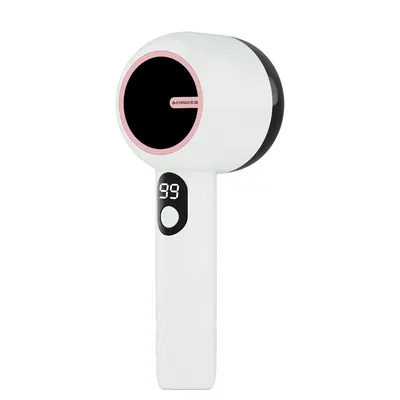
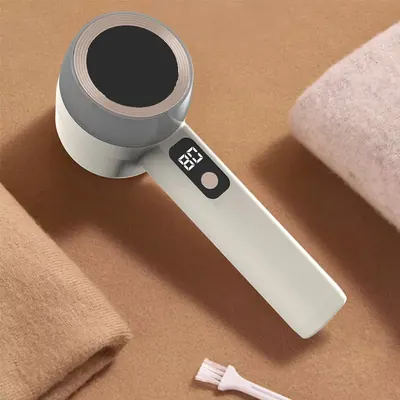
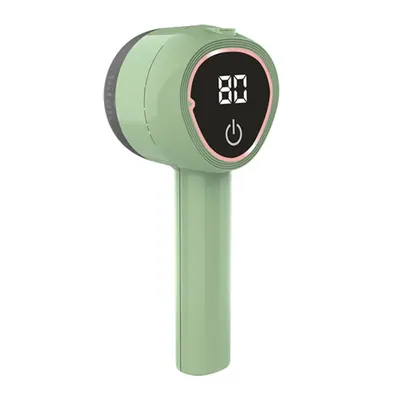
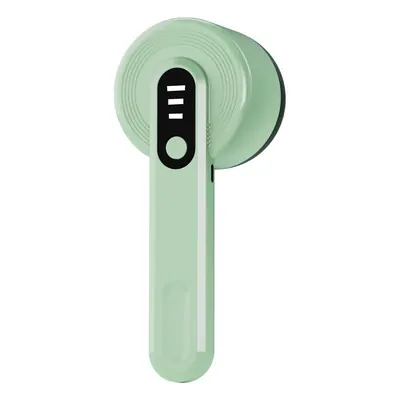
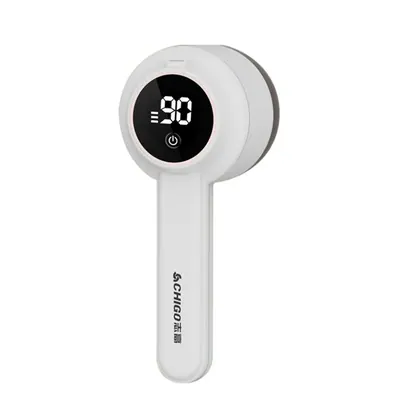
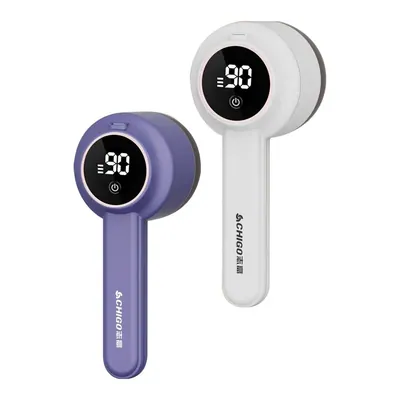
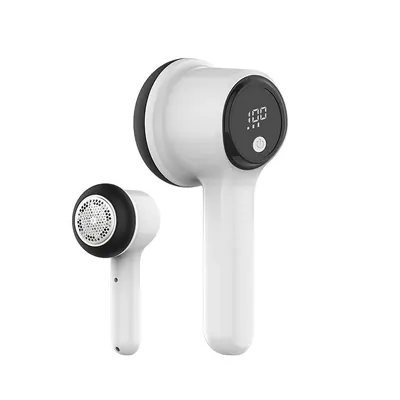
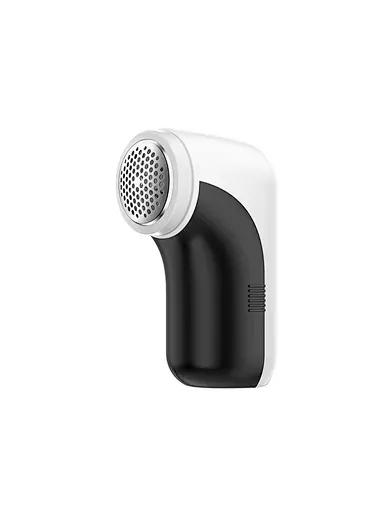
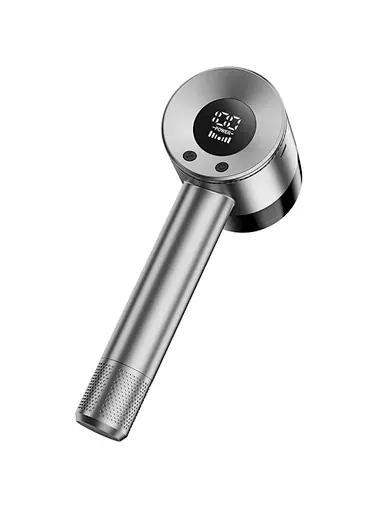
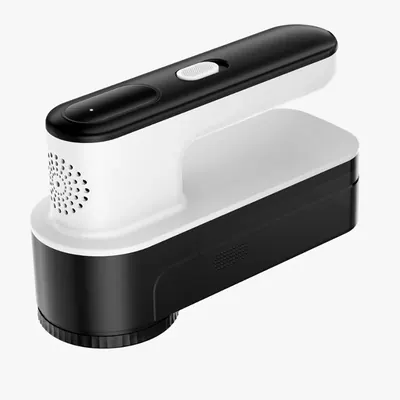
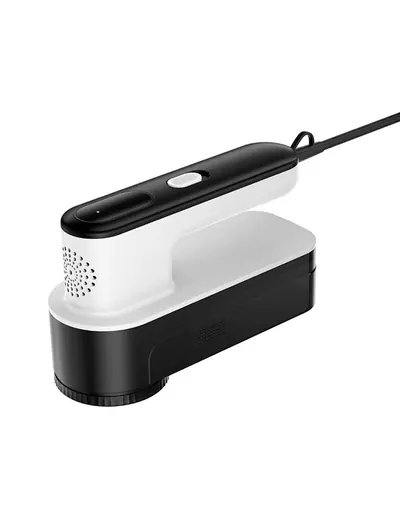
The guard height is the whole specification
A fabric shaver works by drawing the surface of the garment against rotating blades behind a perforated guard. The blades sit at a fixed distance below the guard surface, and how much fabric is drawn through the holes depends on that distance, the size of the holes and how hard the user presses.
Set too shallow, the product removes nothing, the customer concludes it does not work and returns it. Set too deep, it cuts into the knit and the customer returns it having damaged a garment. There is a workable range in between, and where it sits depends on the fabric the product is aimed at: fine knitwear, heavy wool and upholstery need different settings.
This is a tooling decision made once. It cannot be adjusted after the guard is moulded, and it is the reason one lint remover earns good reviews on wool coats and another shreds them.
Specification decisions that move the unit cost
| Decision | What it changes | Why it moves the price |
|---|---|---|
| Guard geometry | Hole size, hole pattern, and the height of the guard above the blades | The single setting that decides whether the product removes lint or damages fabric, and it is fixed at tooling |
| Blade material and count | Stainless steel blades, and how many of them | Edge life and cutting speed, and a replaceable blade is also a consumable line |
| Motor | Speed and torque, and how it behaves when pressed into fabric | A motor that stalls under pressure leaves patches; one that keeps turning at a constant speed cuts evenly |
| Power | Corded, or rechargeable USB | A corded unit has no battery to fail or document; a rechargeable one is used anywhere and adds cell cost and shipping documentation |
| Lint container | Capacity, and how easily it empties | A container that is awkward to empty gets left full, which reduces the airflow and the performance |
| Handle and grip | Size, coating and whether the unit can be held at an angle | Shavers are used across a garment at an angle; a grip that only works one way makes the product tiring and reduces coverage |
| Depth control | Fixed, or a user-selectable depth | A selectable depth adds a mechanism and allows one product to serve several fabric weights, which is frequently what buyers ask for |
Why a depth selector is worth considering
Most buyers want one product to cover several fabric types: a wool coat, a sofa and a cotton jumper. A fixed guard cannot be correct for all three, and the compromise setting is usually too shallow for the coat and too deep for the jumper.
A user-selectable depth addresses that by changing the distance between the guard and the blades. It adds a mechanism, a detent and a moulding, and it also adds a failure mode if the mechanism is under-specified or if the setting can move while the unit is in use.
Where a selector is fitted, the detent has to be positive enough that the user can feel the setting and that it does not drift under pressure. That is an assembly and tolerance decision rather than a component one, and it is worth confirming on a sample.
The container and the airflow nobody thinks about
A fabric shaver cuts lint and draws it into a container through the same airflow the motor generates. As the container fills, the airflow falls, and the product stops cutting — which the customer experiences as the shaver having become blunt.
Two design decisions follow. The container has to be large enough that it does not need emptying constantly, and it has to be easy enough to empty that it actually gets emptied. A container behind a stiff catch and a moulded lip will be left full.
The airflow path itself matters as much. A path with sharp internal corners collects lint and blocks earlier than a smooth one, and the difference between two units at the same price is frequently the internal moulding rather than the motor.
Voltage, plug type and compliance by market
We do not pre-certify every SKU. Testing and certification are arranged for the specific model and the specific market you are ordering for, and quoted as their own line, together with battery documentation for rechargeable models.
| Market | Voltage and plug | What is usually required |
|---|---|---|
| European Union | 220–240V, or USB charging, CEE 7/7 (Schuko) where an adapter is supplied | CE marking with test reports behind it, plus battery documentation and the adapter assessed if one is included |
| United Kingdom | 230V, or USB charging, BS 1363 (Type G) where an adapter is supplied | UKCA marking with the test reports and the same battery documentation |
| North America | 110–120V, or USB charging, NEMA 1-15 or 5-15 where an adapter is supplied | Listings that retailers and marketplaces accept before the product can be sold |
| Australia and New Zealand | 230–240V, or USB charging, AS/NZS 3112 (Type I) where an adapter is supplied | Electrical safety approval, with the adapter assessed separately |
| Middle East and Southeast Asia | 220–240V, or USB charging, plug type varies by country | Depends on the destination; conformity documents are frequently required at customs |
Branding, and selling alongside a clothing range
Fabric shavers are frequently sold as an accessory by clothing and footwear brands rather than as an appliance, and in that case the branding sits on the packaging at least as much as on the product. The handle is the branded surface, applied by pad printing or silk screen, and the color is usually chosen to sit with the range it is sold beside.
Where the product is sold as an accessory, a fabric pouch and a small cleaning brush are worth including. Both are inexpensive and both are what the customer sees when the box is opened next to a garment they have just bought.
Packaging follows the channel: a color box or sleeve for retail, a plain carton for marketplace shipping. Both are proofed before production and the artwork proof is free.
Fabric shaver questions buyers ask
How do we set the guard so it does not damage fabric?
By setting it against the fabric the product is aimed at, before the guard is moulded. Tell us whether it is for fine knitwear, heavy wool, upholstery or a mixture, and the guard and the blade spacing can be specified for that. It is not a setting that can be corrected after tooling.
Should we offer a depth selector?
It depends on how wide a range of fabrics the product has to cover. A selector lets one product serve several fabric weights, which buyers ask for, at the cost of a mechanism and a failure mode if the detent is weak. Where it is fitted, confirm the detent is positive on a sample.
Why does it stop cutting after a while?
Usually because the container is full and the airflow has fallen, rather than because the blades have gone blunt. A larger container and an easy empty mechanism reduce how often that happens, and saying so in the manual reduces the returns further.
What is the minimum order for a fabric shaver?
It is quoted per model, because it depends on the model and on how much of it is already tooled. Both the minimum order quantity and the lead time are stated on the quotation for the specific model you pick.
Can the blades be supplied as a consumable line?
Yes, where the model has a replaceable blade assembly. It can be quoted as its own line with its own packaging, and it is a common way to add a repeat purchase to a low-priced product.
Do the shavers come with certification?
We do not claim blanket certification across the catalog. Certification and battery documentation are arranged for the specific model and the specific market you are ordering for, and quoted as their own line.
If the shaver you need is not in this list, send the specification — power format, guard setting, target fabric and whether a depth selector is required — and we will tell you what is available.
Need help choosing?
Send us the product type, target market and estimated volume — we will shortlist models and quote.