Refrigerator OEM & ODM
A refrigerator is the longest-lived appliance in most homes and the hardest to change once it ships. The specification that matters is not the liter figure on the door but the layout inside, the compressor and gas, and the climate the unit is built to run in.

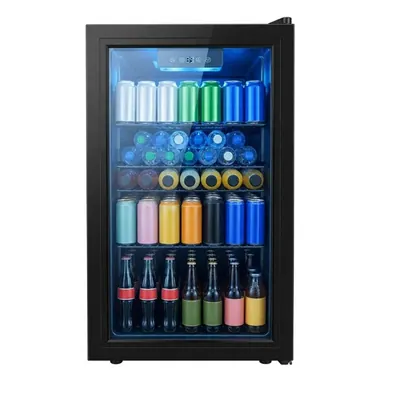
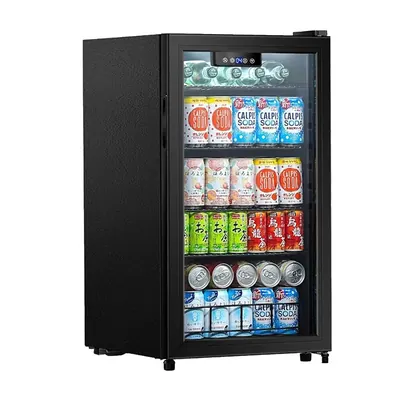
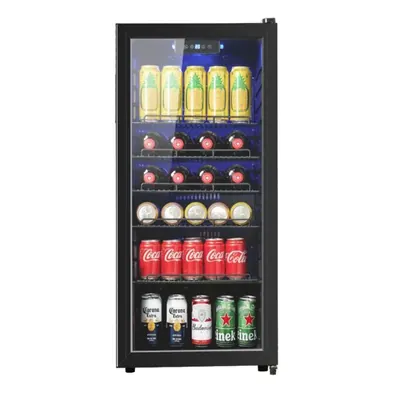
Gross and net capacity are different numbers
The capacity on the label is the internal volume of the cabinet. The usable volume is smaller once the shelves, drawers and the compressor housing are subtracted, and smaller again when the shelves are set at heights that suit actual packaging. A 300-liter cabinet with badly spaced shelves holds less shopping than a 260-liter one with adjustable positions.
For a private label the useful question is what a weekly shop looks like in the unit: how many tall bottles fit upright, whether a pizza box lies flat, and whether the freezer drawer takes a whole chicken. Those are layout decisions and they are made at the tooling stage.
Compressor, refrigerant and climate class
The compressor is the part that decides noise, power draw and service life. A standard reciprocating compressor is the default; an inverter compressor runs continuously at variable speed, which holds temperature more closely and uses less energy, at a higher unit cost.
Refrigerant choice is a market decision as much as an engineering one. Natural refrigerants are increasingly required in some regions and carry different service requirements. The climate class on the label states the ambient temperature range the cabinet is designed for, and a unit sold into a hot market has to be built for that class rather than the mild one.
Defrost, drainage and door geometry
Frost-free models move moisture out through a drain that can block in humid conditions; manual-defrost models are simpler and quieter but need the buyer to empty them. The door swing and the hinge side are fixed at the factory unless the unit is built with reversible hinges, which is worth specifying for markets where kitchens are planned either way.
Door bins, shelf material and drawer runners are the parts that fail first in daily use. Tempered glass shelves and metal-trimmed drawers add cost and remove the most common complaint after two years.
Specification by market
| Market group | Voltage | Plug | Common format |
|---|---|---|---|
| UK / Europe | 230 V | Type G / Type F | Tall larder or combi, 60 cm width |
| 120 V markets | 120 V | Type A / Type B | Top freezer, wider cabinet |
| Japan | 100 V | Type A | Slim body, shallow depth |
| Australia / NZ | 230 V | Type I | Combi or bottom freezer, 60–70 cm |
Private label decisions that show on the shelf
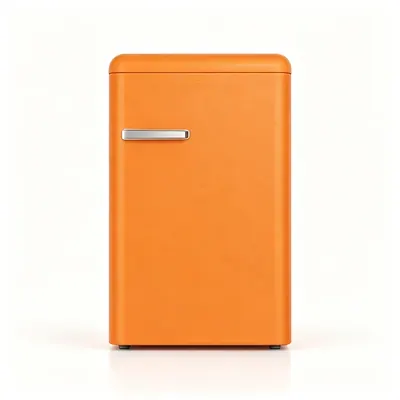
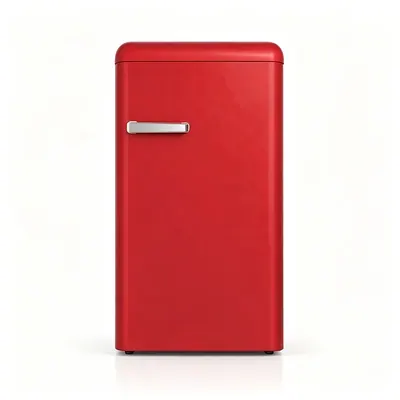
The door finish and the handle are the only surfaces a shopper sees before opening it. A flat door with an integrated handle reads modern; a coloured door is a statement product and usually a separate SKU rather than an option on the same body.
The energy label class and the noise figure should be printed on the carton in the format the market requires. Manuals and warranty cards are quoted per language set, and a market that needs three languages changes the paperwork, not the cabinet.
Refrigerator questions buyers ask
Why is the quoted capacity larger than what fits?
The label is gross internal volume. Usable space depends on shelf positions and drawer depth, which is why the layout matters more than the headline figure.
Is an inverter compressor worth the cost?
For a unit that runs all year, yes: it holds temperature more closely and draws less, and it is quieter in a small kitchen.
Can one model be sold into hot and temperate markets?
Only if it is built for the hotter climate class. A temperate unit run in a hot room will struggle to hold temperature and will wear faster.
Send the cabinet size, the market's climate and the layout you want to test, and we will quote the compressor option, the door finish and the carton as separate lines before tooling is committed.
Need help choosing?
Send us the product type, target market and estimated volume — we will shortlist models and quote.