Fully Automatic Coffee Machine OEM & ODM
A bean-to-cup machine is bought for one reason: the buyer wants a consistent shot without learning to make one. Whether it delivers that comes down to the grinder, the brew unit and how often the machine asks to be cleaned.
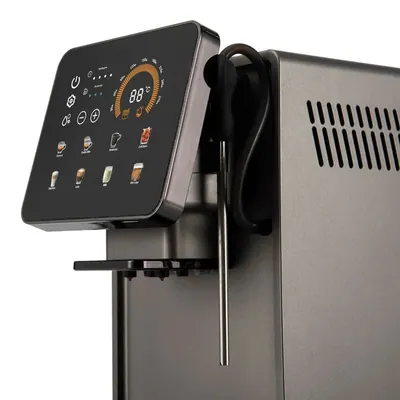
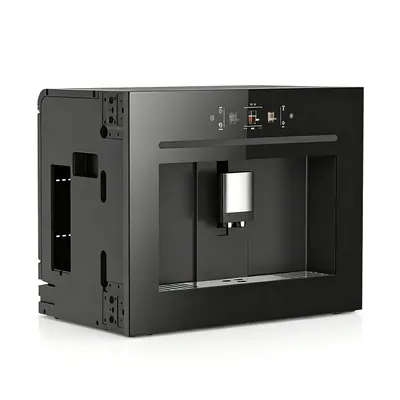
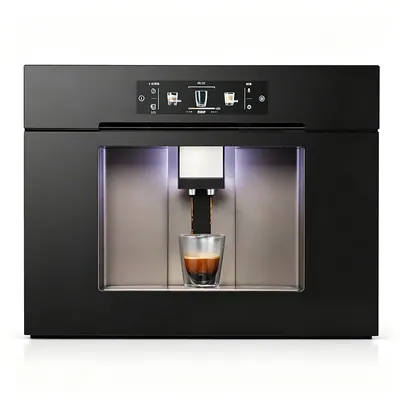
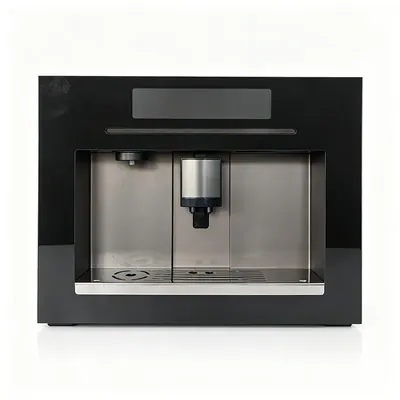
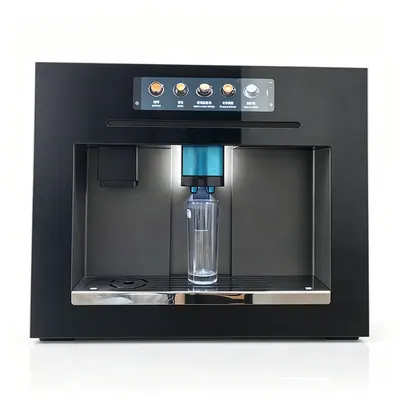
The grinder is where the consistency starts
A conical or flat burr grinder produces an even particle size; a blade grinder produces dust and chunks, and the shot runs unevenly. Burr type is the first specification to fix, and the number of grind settings decides how far the buyer can tune for a new bean.
Bean hopper size and seal matter in a humid climate, where beans stale quickly. A hopper with a gasket and a smaller capacity that gets refilled is often better for a household than a large hopper that holds beans for weeks.
Brew unit, pressure and the milk system
The brew unit is the removable heart of the machine. A unit that comes out in one piece is easy to rinse; one that needs dismantling is cleaned less often. Pressure is held by the pump and the valve, and the number that matters is stability rather than the peak figure.
A steam wand gives the buyer control; an automatic milk system gives convenience but adds a milk path that has to be cleaned after every use. A machine with a removable milk carafe that can go in the fridge is the compromise most households prefer.
Cleaning, descaling and the cost of neglect
Every automatic machine has a cleaning cycle, a descaling cycle, and a set of consumables such as cleaning tablets and filters. Those consumables are part of the running cost and should be quoted with the machine, because a buyer who cannot find them stops maintaining it.
A drip tray that pulls out, a coffee grounds container with a lid and a water tank that lifts off are the three parts that make daily use bearable. They are also the parts that break first.
Specification by market
| Market group | Voltage | Plug | Common format |
|---|---|---|---|
| UK / Europe | 230 V | Type G / Type F | Bean-to-cup, milk carafe |
| 120 V markets | 120 V | Type A / Type B | Bean-to-cup, steam wand |
| Japan | 100 V | Type A | Compact bean-to-cup |
| Australia / NZ | 230 V | Type I | Bean-to-cup, milk carafe |
Private label decisions that show on the shelf
A bean-to-cup machine is a counter statement, so the front panel and the display carry the brand. A color display with drink icons reduces the learning curve, which is the product's main promise.
Carton artwork should show a finished drink and the bean hopper, not the machine alone. A starter pack of cleaning tablets in the box makes the maintenance story concrete at the point of sale.
Bean-to-cup questions buyers ask
Does a built-in grinder beat pre-ground coffee?
For freshness, yes. The gap narrows if the buyer uses pre-ground coffee quickly, but the machine's convenience depends on the grinder.
How often does it need descaling?
It depends on water hardness. A machine with a hardness setting and a filter option stretches the interval and protects the boiler.
Can it make a proper flat white?
With a milk system that textures rather than only heats, yes. The steam wand gives more control; the automatic carafe gives more consistency.
Send the drink menu your market expects, the milk system you want and the service model you can support, and we will quote the grinder, the brew unit and the consumables pack as separate lines.
Need help choosing?
Send us the product type, target market and estimated volume — we will shortlist models and quote.