Electric Shaver OEM & ODM
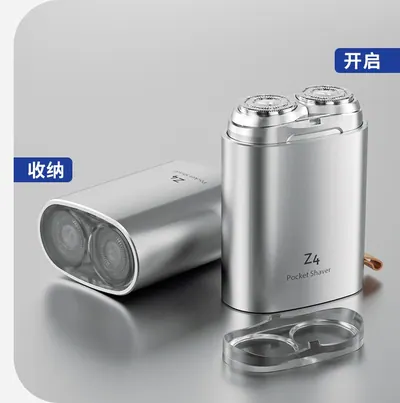
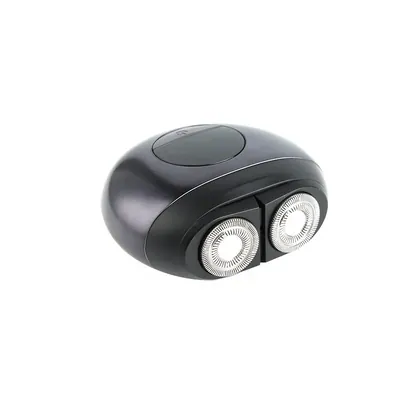
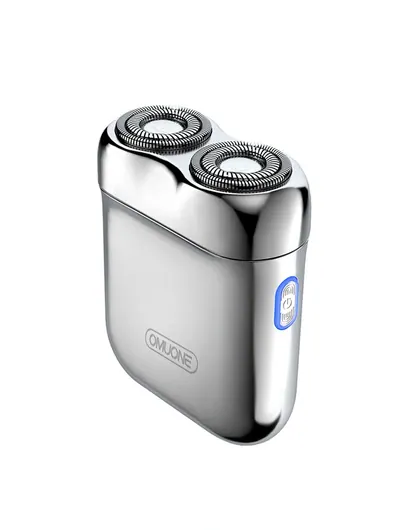
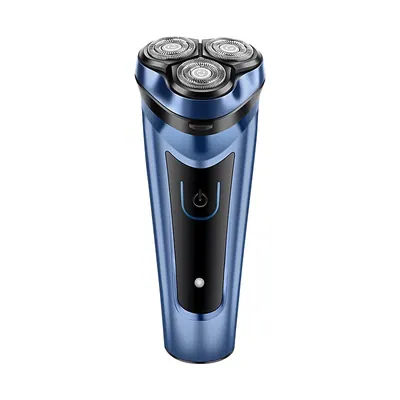
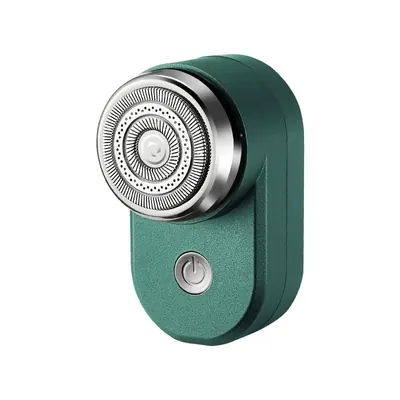
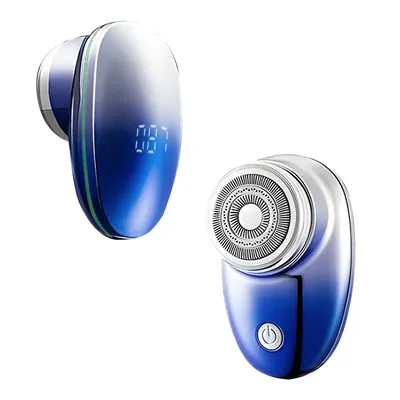
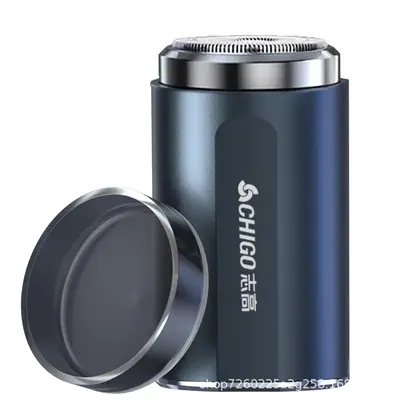
22 electric shaver models, in rotary and foil formats, from pocket travel units to multi-head rechargeable shavers. The choice between rotary and foil is not a quality question, and the specification that generates the most repeat revenue is the one most buyers leave until last: whether the head can be replaced.
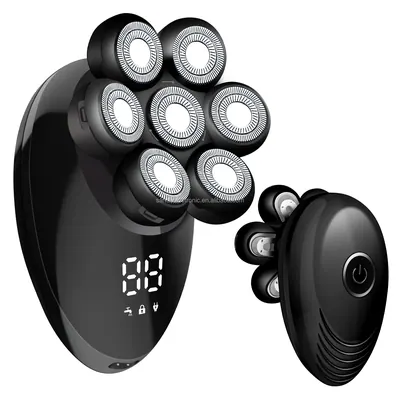
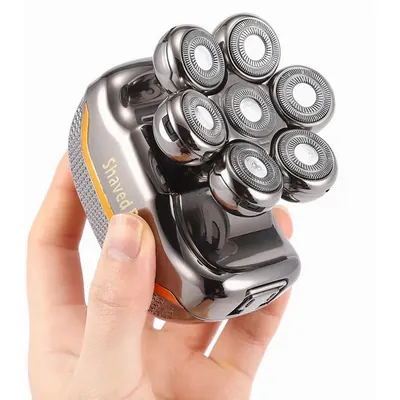

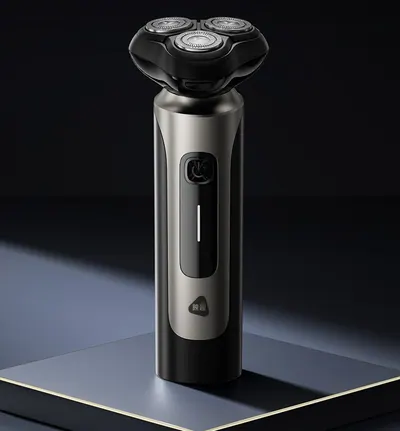
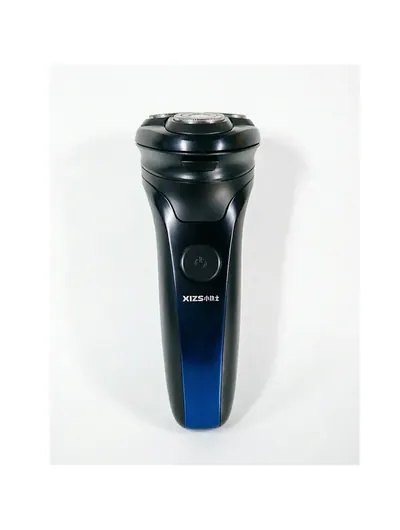
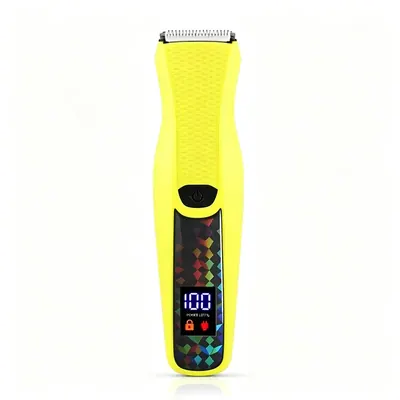
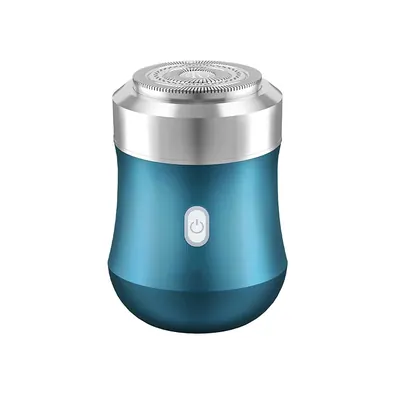
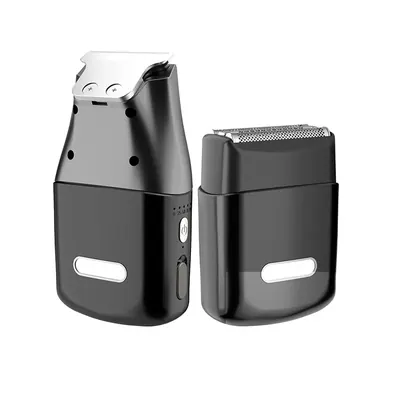
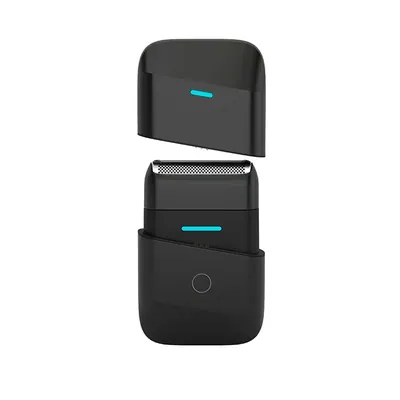
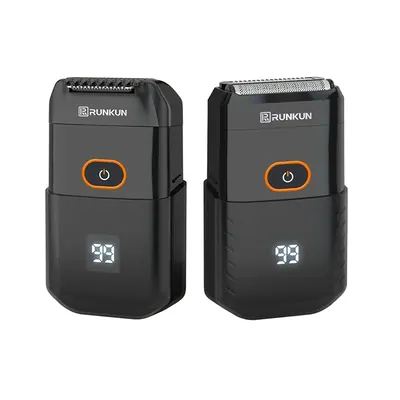
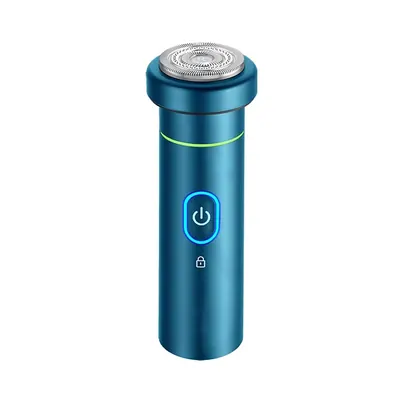
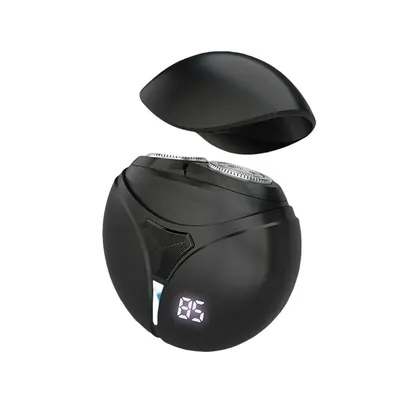
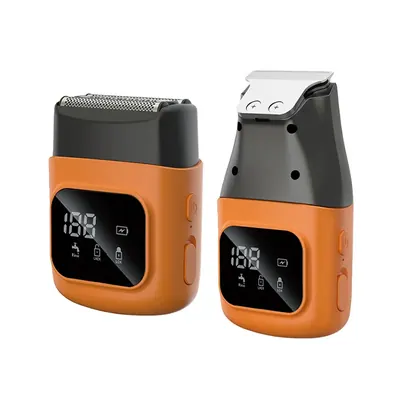
Rotary or foil is about the hair, not the price
A rotary shaver has circular heads that turn against the skin. A foil shaver has a thin perforated screen with a cutter oscillating behind it. They suit different hair and different habits, and neither is simply better.
Rotary heads cope better with longer hair, with hair that grows in different directions, and with the contours of a jaw and neck, because the heads articulate. Foil shavers cut closer on short, straight hair and are generally preferred by users who shave every day and want a consistent result.
For a buyer choosing a format, the useful question is who the customer is. A daily shaver with fine hair and a foil format is a good match; a customer who shaves twice a week with coarser hair is usually better served by rotary. Stocking one format for a general audience means accepting that it will not suit everyone.
The head is the business
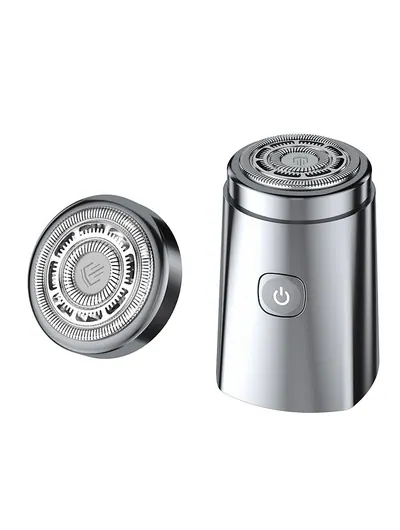
Shaver heads and cutters wear. A cutter that has dulled pulls rather than cuts, which is the complaint that makes a customer replace the whole shaver if a replacement head is not available.
That makes head availability a commercial decision as much as a service one. A shaver with a replaceable head and a supply of replacements keeps the customer for years; one without is a disposable product at a price that suggests otherwise. It is the same structure as the brush head on a toothbrush or the filter in a vacuum, and it is worth planning at the same stage.
The procurement point is that the head interface is part of the tooling. Deciding after the shaver is tooled whether the head is replaceable, and whether replacements fit only your model or a widely sold format, is a decision made too late.
Specification decisions that move the unit cost
| Decision | What it changes | Why it moves the price |
|---|---|---|
| Format | Rotary with two, three or four heads, or a single or multi-foil head | Each head or foil adds a cutter, a housing and a mounting, and multi-head formats also add articulation |
| Blade and foil material | Stainless steel, coated, or an imported cutter assembly | Edge life and how the head feels against skin, and the cutter assembly is frequently the highest-cost component in the product |
| Wet and dry | Whether the shaver can be used with foam and rinsed | Sealing adds gaskets and assembly steps, and it constrains the housing design from the start |
| Charging | Inductive, USB-C, or a docking stand | Inductive charging removes exposed contacts and is expected at the premium end; a dock adds a moulding and contacts |
| Motor and trimmer | Motor class, and whether a pop-up trimmer is fitted | A trimmer adds a mechanism and a second cutting assembly, and it is frequently what buyers compare on |
| Display and indicators | Battery level, travel lock, cleaning indicator | Electronics and firmware, plus tooling for a panel |
| Travel lock | Whether the shaver can be locked against accidental switching on | Cheap to add and a common complaint when missing, because a shaver that runs down in a bag is useless on arrival |
Cleaning, water and the bathroom
An electric shaver is used on the face with or without foam, and stored in a bathroom. Water ingress and residue accumulation are the two ways these products fail, and both are design decisions.
A shaver that can be rinsed has to be sealed, which is more than a gasket around the housing: the head release, the charging contacts and any pop-up trimmer are all openings, and each has to be considered. A shaver that cannot be rinsed has to be cleanable dry, which means the head has to come off and the cuttings have to be reachable.
If the product is to be presented as washable, that is decided at tooling rather than stated on the box afterwards.
Voltage, plug type and compliance by market
We do not pre-certify every SKU. Testing and certification are arranged for the specific model and the specific market you are ordering for, and quoted as their own line, together with battery documentation and the charger where one is supplied.
| Market | Voltage and plug | What is usually required |
|---|---|---|
| European Union | 220–240V for the charger, CEE 7/7 (Schuko) | CE marking with test reports behind it, plus battery documentation and the charger assessed as supplied |
| United Kingdom | 230V for the charger, BS 1363 (Type G) | UKCA marking with the test reports and the same battery documentation |
| North America | 110–120V for the charger, NEMA 1-15 or 5-15 | Listings that retailers and marketplaces accept before the product can be sold |
| Australia and New Zealand | 230–240V for the charger, AS/NZS 3112 (Type I) | Electrical safety approval, with the charger assessed separately |
| Middle East and Southeast Asia | 220–240V for the charger, plug type varies by country | Depends on the destination; conformity documents are frequently required at customs |
Branding, packaging and the gift channel
The body is held throughout use and is the branded surface, applied by pad printing or silk screen on plastic and heat transfer on coated or metal surfaces. Soft-touch coatings and metal accents change both the cost and the impression in the hand, and shavers are handled more than most products in the catalog.
Electric shavers are frequently bought as gifts, which makes the box and the case part of the product. A travel case, a cleaning brush, a protective cap and a charging stand are all common inclusions, and together they are what distinguishes two shavers at the same price.
Packaging follows the channel: a color box or gift box for retail, a plain carton for marketplace shipping. Both are proofed before production and the artwork proof is free.
Electric shaver questions buyers ask
Rotary or foil — which should we stock?
It depends on the customer. Rotary suits longer hair, hair growing in different directions and contoured areas; foil cuts closer on short, straight hair and suits daily shaving. Neither is better, and a general audience means accepting that one format will not suit everyone.
Can replacement heads be supplied under our brand?
Yes, where the model has a replaceable head, and it is the main source of repeat revenue in this category. The interface is part of the tooling, so whether the head is replaceable — and whether it fits only your model or a widely sold format — is a decision to make before the shaver is tooled.
What does wet and dry actually require?
Sealing every opening, not only the housing: the head release, the charging contacts and any pop-up trimmer. That is designed in at tooling, and a product presented as washable without it will fail in the bathroom rather than on the bench.
What is the minimum order for an electric shaver?
It is quoted per model, because it depends on the model and on how much of it is already tooled. Both the minimum order quantity and the lead time are stated on the quotation for the specific model you pick.
Do the shavers come with certification?
We do not claim blanket certification across the catalog. Certification and battery documentation are arranged for the specific model and the specific market you are ordering for, and quoted as their own line.
Can we see a sample before ordering in bulk?
Yes. A production sample is produced and shipped before bulk production, including the case and accessories, so the whole set can be judged in the hand.
If the shaver you need is not in this list, send the specification — format, head count, wet or dry, and charging interface — and we will tell you what is available.
Need help choosing?
Send us the product type, target market and estimated volume — we will shortlist models and quote.