Car Vacuum OEM & ODM
A car vacuum is sold on suction in kPa, and kPa is the number that tells you least about whether it will pick up sand from a footwell mat. What decides that is airflow through a filter that is already partly blocked, and every cordless car vacuum is fighting the same two constraints: a small fan and a small filter.
Car Vacuum OEM & ODM: models, specifications and MOQ
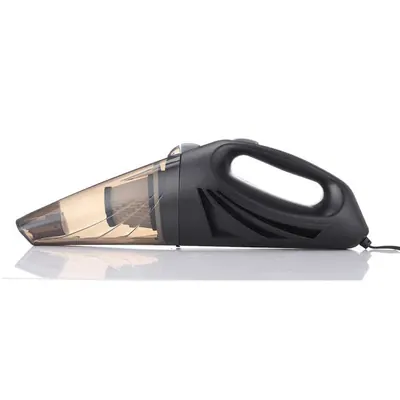
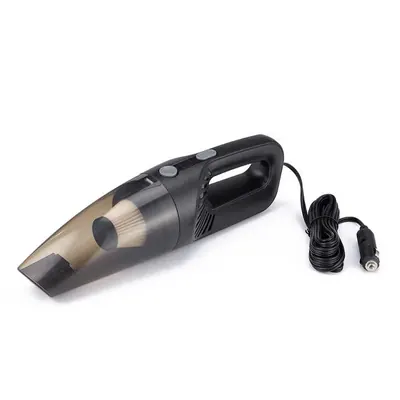
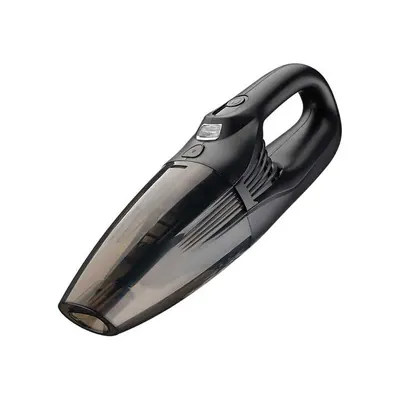
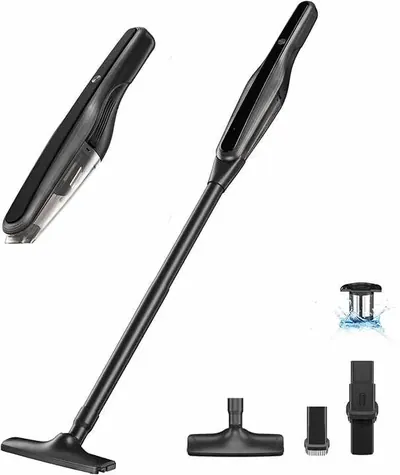

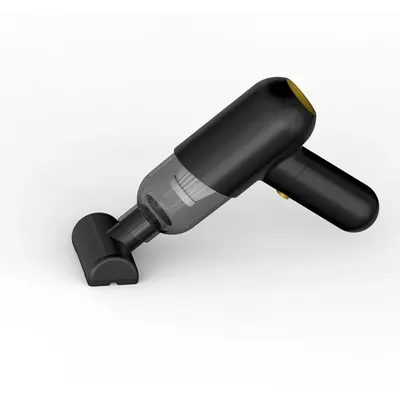
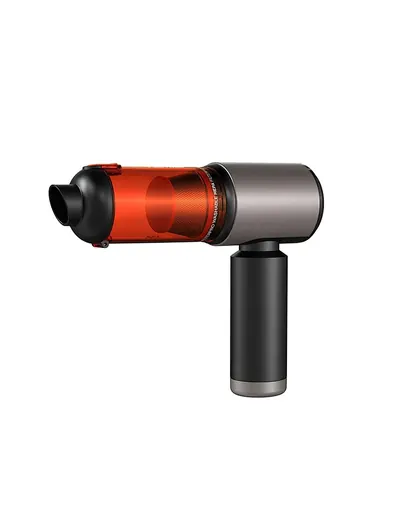
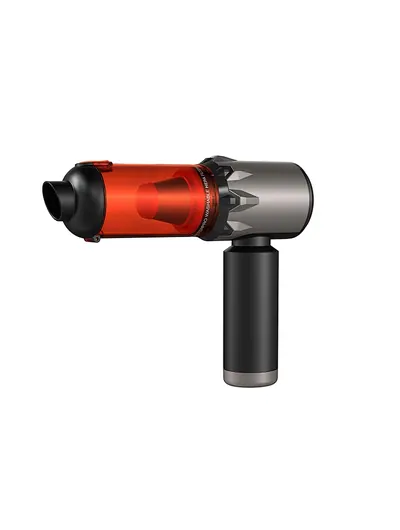
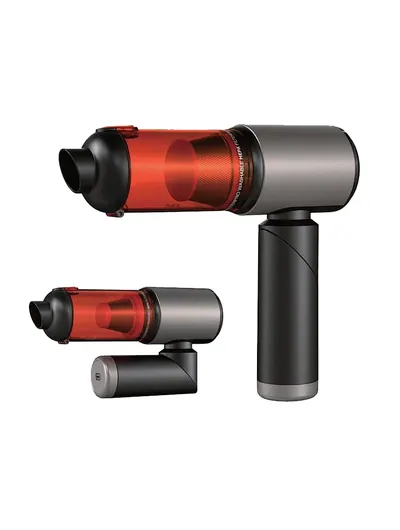
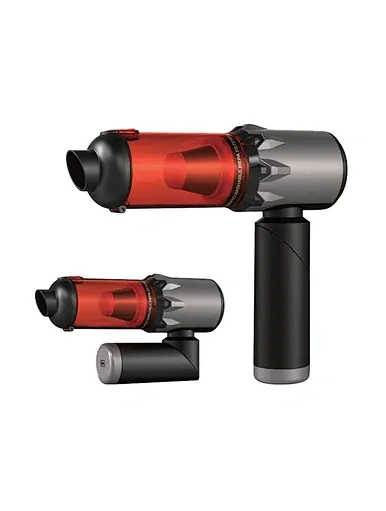
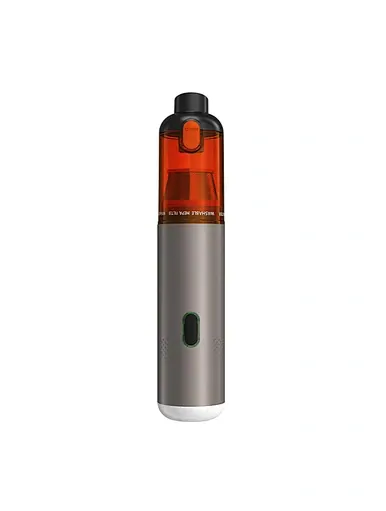
Suction in kPa is a sealed-pipe number
Sealed suction is measured with the inlet blocked, which is the one condition where a vacuum does no work. The number that matters in a footwell is airflow with the nozzle on the mat, because sand and grit need to be carried, not just pulled. A unit with modest sealed suction and a wide airflow path will clean a mat better than a high-kPa unit with a restrictive filter and a narrow hose.
The practical specification is airflow in liters per second at the nozzle, plus the pressure drop across a filter that has been used for ten minutes. Suppliers quote the first and rarely the second, which is why two units with the same kPa can feel completely different after a week.
The filter is the real limit on a cordless unit
A cordless car vacuum carries a small battery and a small motor, so the only way to keep performance is to keep the filter clean. A pleated HEPA-style cartridge holds more dust before it chokes than a foam sleeve, and a washable cartridge keeps the unit usable for years rather than weeks.
The design decision that matters is filter area versus housing size. A larger pleat pack in the same body extends usable runtime before the airflow falls off, and it is far cheaper than a bigger battery. The catch is that the customer has to be able to remove it without tools, or it never gets cleaned.
| Configuration | Usable runtime before airflow drops | Cleaning | Where it belongs |
|---|---|---|---|
| Foam sleeve only | Short — chokes in minutes | Rinse, dry, refit | Promotional, very low cost |
| Small pleated cartridge | Moderate | Tap out or rinse | Mainstream retail |
| Large pleated cartridge | Longest for the same battery | Rinse and dry fully | Premium retail, pet owners |
| Cyclone + cartridge | Long, but the cyclone costs pressure | Empty bowl, rinse cartridge | Mid and upper retail |
12 V cord versus battery: two different products
A 12 V plug-in unit runs from the socket and never runs out, but the cord is clumsy and the current draw is limited by the car's circuit, which caps the motor. A battery unit is convenient and can be used away from the car, but runtime is short at high power and the battery ages in a hot car — the worst place for a lithium cell.
The honest positioning is that these are not the same product with different power sources. The corded unit is for a thorough clean with the engine running; the battery unit is for a quick clean and for reaching the boot without a cord. A brand that sells one as a substitute for the other gets returns.
Attachments decide whether the product is used twice or for years
The crevice tool reaches the seat rails and the gap beside the console, which is where most of the dirt is. A brush head lifts pet hair from carpet, and a flexible hose lets the body stay on the floor while the nozzle goes under a seat. Those three accessories cost little and are the difference between a product that is used and one that is put away.
Hose diameter matters too: a narrow hose increases velocity but blocks on debris, and a wide hose is gentler but loses suction at the nozzle. Twenty-eight to thirty-two millimeters is the practical range for a car unit.
Market configuration at a glance
| Market | Power | Plug / charging | What changes in the specification |
|---|---|---|---|
| North America | 12 V or 110–120 V | Cigarette plug or A | Higher current draw, heavier cord gauge |
| EU / UK | 12 V or 220–240 V | Cigarette plug, C/F, G | Battery transport documentation, WEEE registration |
| Japan | 12 V or 100 V | Cigarette plug or A | Re-rated charger at the lower voltage |
| Middle East / SE Asia | 12 V or 220–240 V | Cigarette plug, C/G | Heat tolerance wanted: battery and plastic both age faster |
Car vacuum questions buyers ask
Is higher kPa better?
Only up to a point. Sealed suction is measured with the inlet blocked, where the unit moves no air. What cleans a mat is airflow at the nozzle with a partly loaded filter, so ask for liters per second at the nozzle and the pressure drop after ten minutes of use.
Why does my vacuum lose power after a few minutes?
The filter is loading. A small foam or pleated filter chokes quickly on fine dust, and airflow falls before the battery does. A larger pleat pack, or a cyclone ahead of the filter, keeps performance for longer.
Corded or cordless for a car?
Corded for a thorough clean with the engine running, cordless for quick cleans and for reaching the boot. They are different products; selling one as a substitute for the other is what generates the returns.
What should be measured on a sample?
Airflow at the nozzle when new, airflow after ten minutes on a dusty mat, runtime at that load, and noise at one meter. Those four numbers describe what the customer will experience better than the box does.
Tell us corded or cordless, the runtime you need and the accessories you want in the box, and we will quote the filter type as a separate line so the trade-off is visible.
Need help choosing?
Send us the product type, target market and estimated volume — we will shortlist models and quote.