Air Fryer OEM & ODM
33 air fryer models, in basket and oven formats, from compact single-drawer units to larger dual-basket designs. Two numbers on the box are consistently misunderstood — the capacity and the wattage — and one component nobody lists is what decides whether the product is still in use a year later: the coating on the basket.
Air Fryer OEM & ODM: models, specifications and MOQ
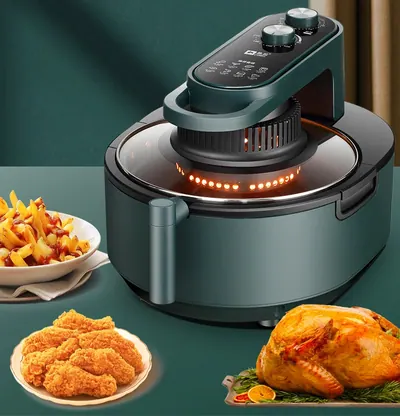
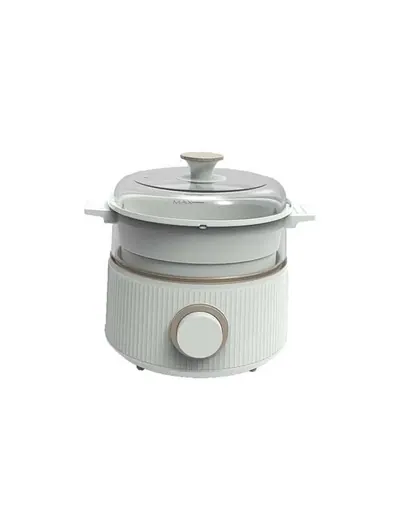
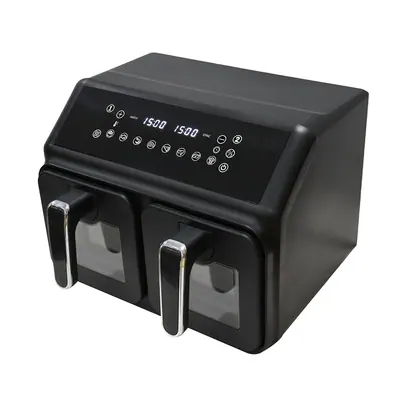
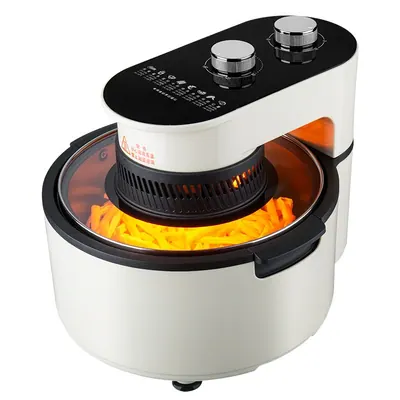
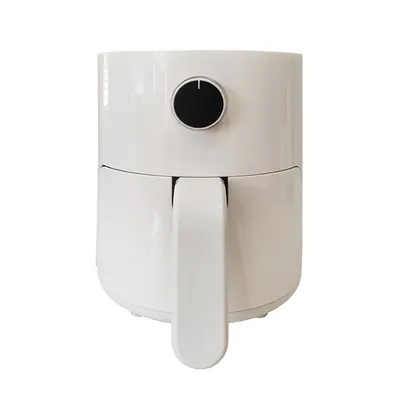
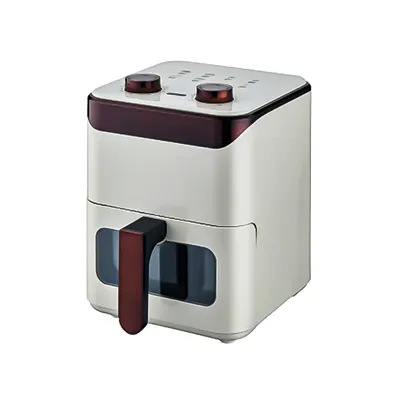
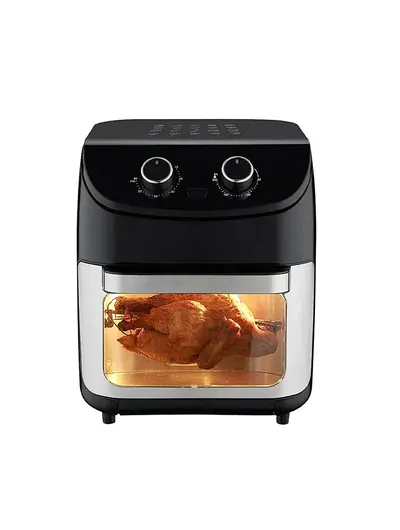
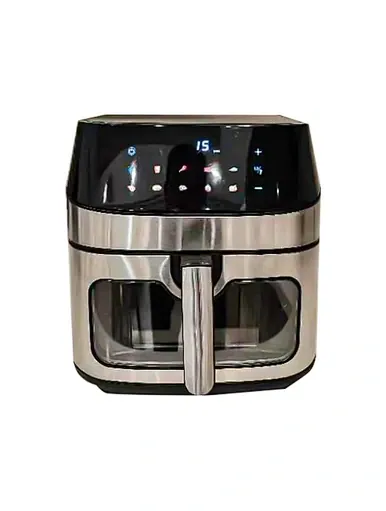
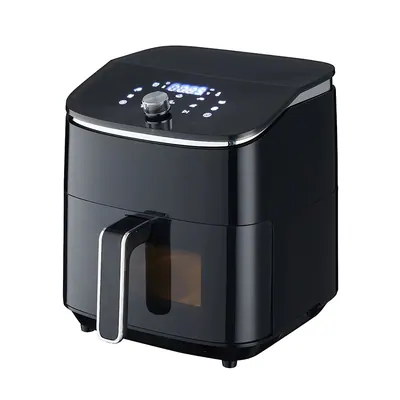
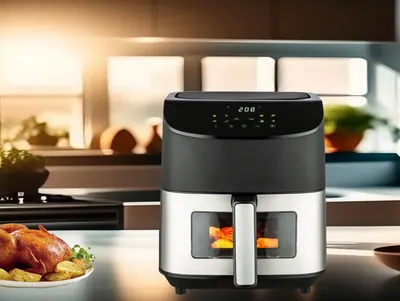
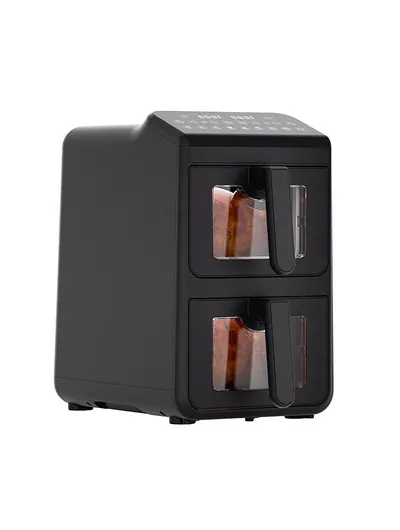
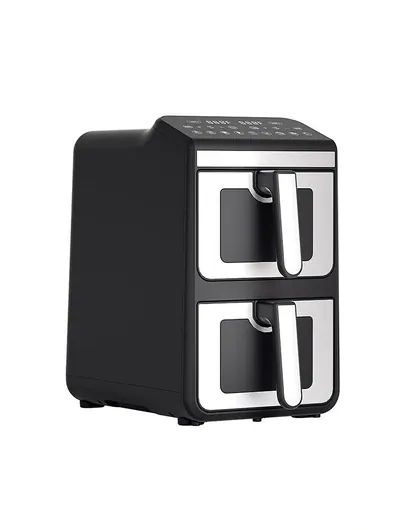
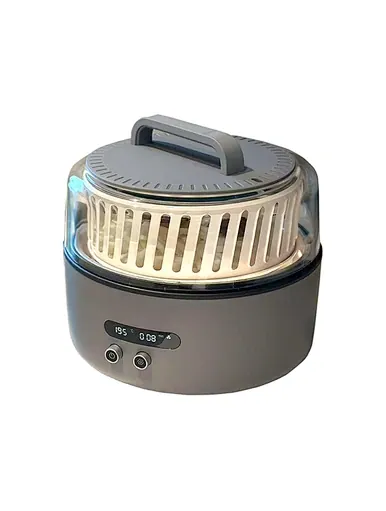
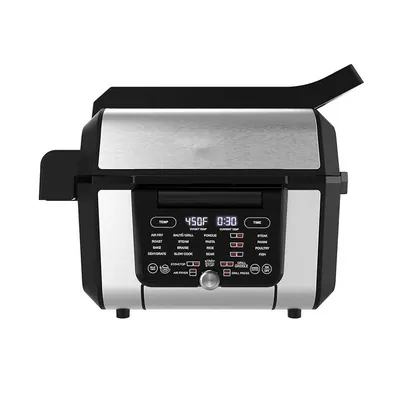
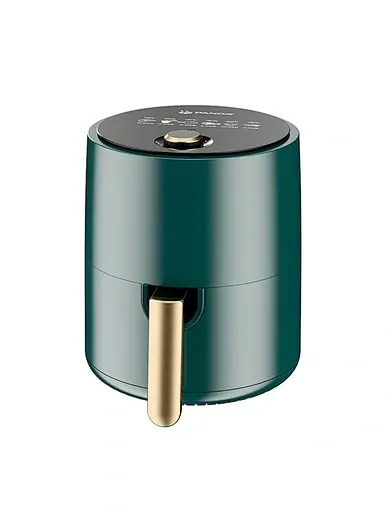
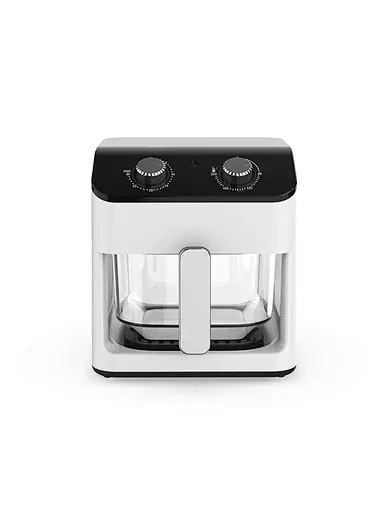
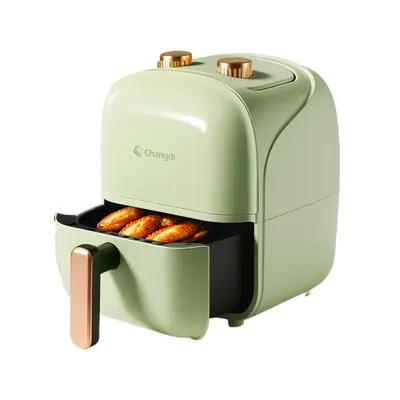

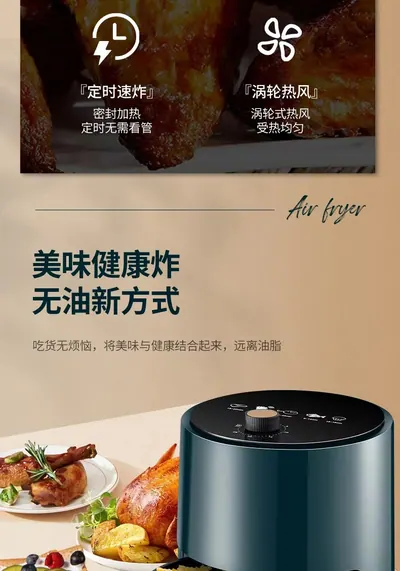
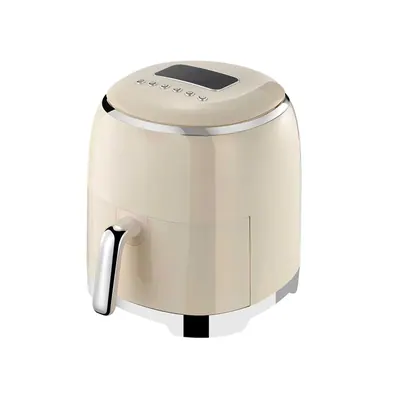
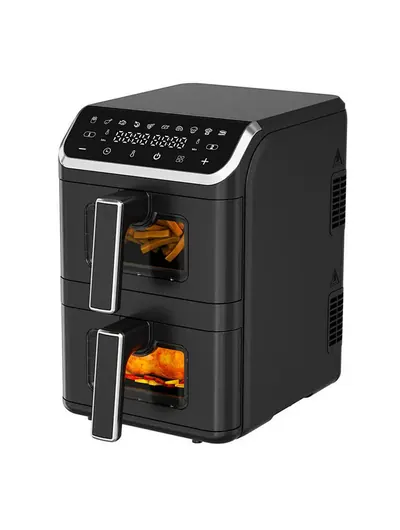
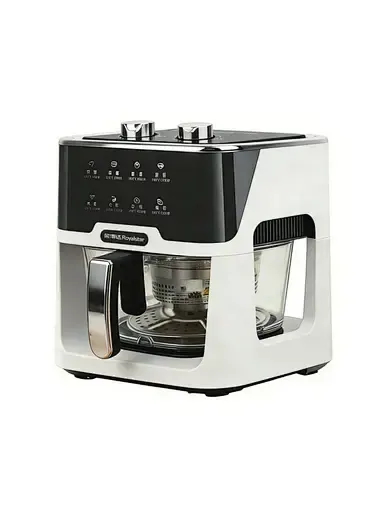


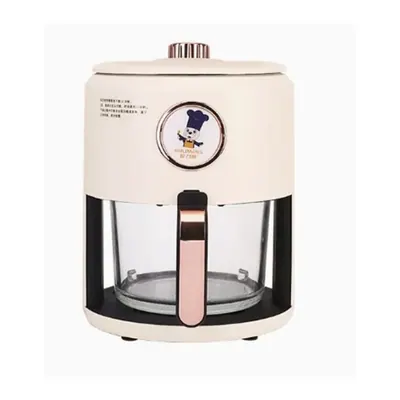


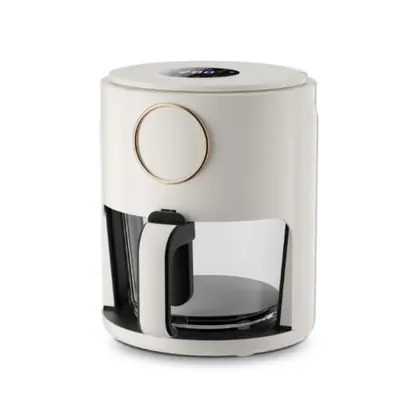
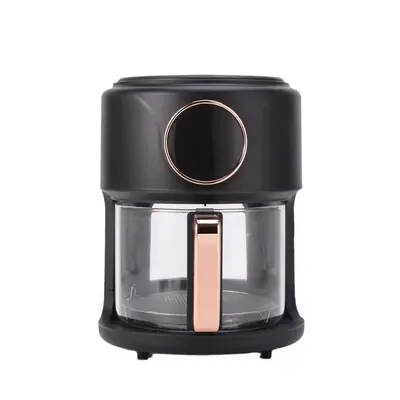
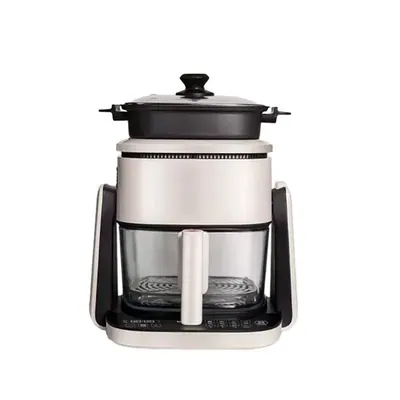

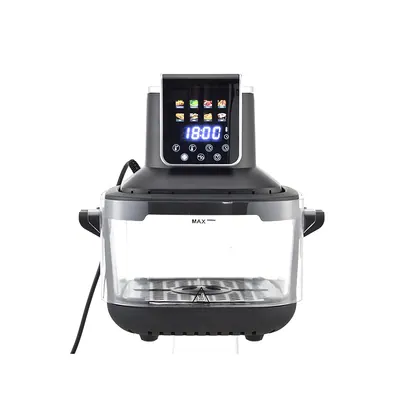
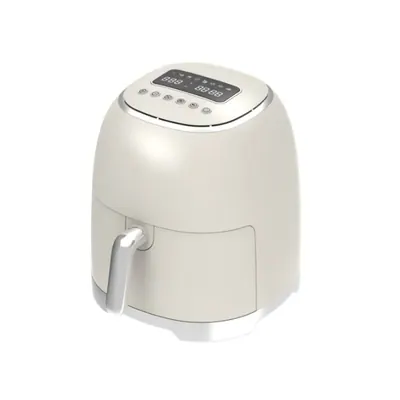
Claimed capacity and usable capacity are not the same number
Air fryer capacity is quoted in liters, and the number on the box is the volume of the drawer. What the buyer actually gets is the volume below the maximum fill line, which is smaller, and smaller again once food is arranged so air can circulate rather than piled in.
This is the most common source of disappointment in the category and it is a design choice rather than a deception. A drawer can be generously sized with a low fill line, or sized to what it will realistically cook. The two approaches sell differently and they review differently.
For a buyer specifying a model, the useful question is what a realistic single portion looks like in the drawer, and the way to answer it is with a sample and actual food rather than with a capacity figure.
Specification decisions that move the unit cost
| Decision | What it changes | Why it moves the price |
|---|---|---|
| Format | Single drawer, dual drawer, or oven style with shelves | Each drawer needs its own element or its own share of one, and a dual format doubles the housing, the controls and the door |
| Heating element and airflow | Element wattage, and how the fan moves air around the drawer | A high-wattage element alone does not cook evenly; the duct and the fan shape do, and both are tooling |
| Basket coating | Non-stick quality, and whether the basket is dishwasher-safe | The coating is what wears first and what the reviews turn on, and it is where a cheap model becomes an expensive one for the customer |
| Controls | Mechanical dials, touch panel, or digital with presets | Electronics and firmware cost, plus additional tooling for the panel, and presets are what most buyers compare on |
| Drawer mechanism | Simple pull, or a basket that lifts out of the drawer | A removable basket is easier to wash and adds a moulding, a handle and a locking point |
| Window | Solid drawer, or a viewing window | Glass or clear polymer adds material and a sealing surface, and a window that fogs is worse than none |
| Power draw | Heating wattage relative to the circuit it will run on | Countertop appliances share a kitchen circuit; a very high draw is a limitation in some markets and a consideration in all of them |
The basket coating is the durability story
An air fryer fails in use before it fails electrically. The basket loses its release, food begins to stick, the coating lifts at a corner and the product is retired while the motor and element are still working.
That makes the coating and the basket substrate a specification worth attention out of proportion to its cost. The substrate matters as much as the coating — a coating applied to an uneven or poorly prepared surface lifts early regardless of its quality — and the dishwasher question is part of the same decision, because repeated hot washing is what accelerates the failure in normal use.
If a buyer intends to market the product on easy cleaning, that has to be designed in. A basket that goes in a dishwasher and comes out with its coating intact is a material and process decision, not a claim added to the listing.
Where an air fryer sits in the kitchen, and what that decides
An air fryer is a countertop appliance that draws significant power and vents hot air and steam. Three practical constraints follow from that and all three are decided by the design.
Its footprint decides whether it lives on the counter or in a cupboard, and a product that has to be moved to be used is used less. The clearance required behind and above it decides whether it can sit under a wall cabinet at all. And the direction and temperature of the vented air decides whether it fogs a nearby window or heats a cupboard door.
None of these appear on a specification sheet and all of them appear in reviews. They are worth confirming on a sample in a real kitchen rather than on a bench.
Voltage, plug type and compliance by market
We do not pre-certify every SKU. Testing and certification are arranged for the specific model and the specific market you are ordering for, and quoted as their own line, together with the food-contact material documentation for the basket and any accessory tray.
| Market | Voltage and plug | What is usually required |
|---|---|---|
| European Union | 220–240V, CEE 7/7 (Schuko) | CE marking with test reports behind it, plus food-contact material documentation for the basket and accessories |
| United Kingdom | 230V, BS 1363 (Type G) | UKCA marking with the test reports and the same material documentation |
| North America | 110–120V, NEMA 1-15 or 5-15 | Listings that retailers and marketplaces accept before the product can be sold |
| Australia and New Zealand | 230–240V, AS/NZS 3112 (Type I) | Electrical safety approval and food-contact material documentation |
| Middle East and Southeast Asia | 220–240V, plug type varies by country | Depends on the destination; conformity documents are frequently required at customs |
Branding, packaging and what a listing needs
Air fryers sell heavily through listings, which makes the photography and the box front more consequential than the logo. Pad printing and silk screen suit the plastic housing; the control panel is frequently where the brand is most visible and where a generic panel weakens the product.
Retail packaging is usually a color box with a photographic front, sized for the shelf or for the shipping carton. Because the product is bulky relative to its price, carton volume is worth watching as well — a box a few centimeters larger across a container of units is a real cost.
Both the logo and the packaging are proofed before production, and the artwork proof is free.
Air fryer questions buyers ask
How is the capacity measured?
The figure quoted is the drawer volume. What a buyer can actually cook is smaller, because of the fill line and because food needs space for air to circulate. For a specific model we will tell you what a realistic portion looks like, and the way to judge it is with a sample and actual food.
How long does the basket coating last?
It depends on the coating, the substrate it is applied to and how the customer washes it, and hot dishwasher cycles are the usual accelerator. The coating is the part that retires the product in most cases, which is why it is worth specifying deliberately rather than accepting a default.
Single drawer or dual drawer?
It depends on the household and the price point. A dual format cooks two things at different settings and doubles the housing, controls and door cost. A single drawer at a larger size covers more buyers at a lower price. Both formats are in the catalog.
What is the minimum order for an air fryer?
It is quoted per model, because it depends on the model and on how much of it is already tooled. Both the minimum order quantity and the lead time are stated on the quotation for the specific model you pick.
Do the air fryers come with certification?
We do not claim blanket certification across the catalog. Electrical certification and the food-contact material documentation are arranged for the specific model and the specific market you are ordering for, and quoted as their own line.
Can we see a sample before ordering in bulk?
Yes. A production sample is produced and shipped before bulk production, and for this category we recommend cooking in it rather than only inspecting it, because evenness and cleaning are what the customer will judge.
If the air fryer you need is not in this list, send the specification — format, capacity, wattage class and controls — and we will tell you what is available.
Need help choosing?
Send us the product type, target market and estimated volume — we will shortlist models and quote.